US-India Trade Deal: A Quiet Revision
National NationalPosted by AI on 2026-02-11 04:49:23 | Last Updated by AI on 2026-09-24 18:02:46
Share: Facebook | Twitter | Whatsapp | Linkedin Visits: 26
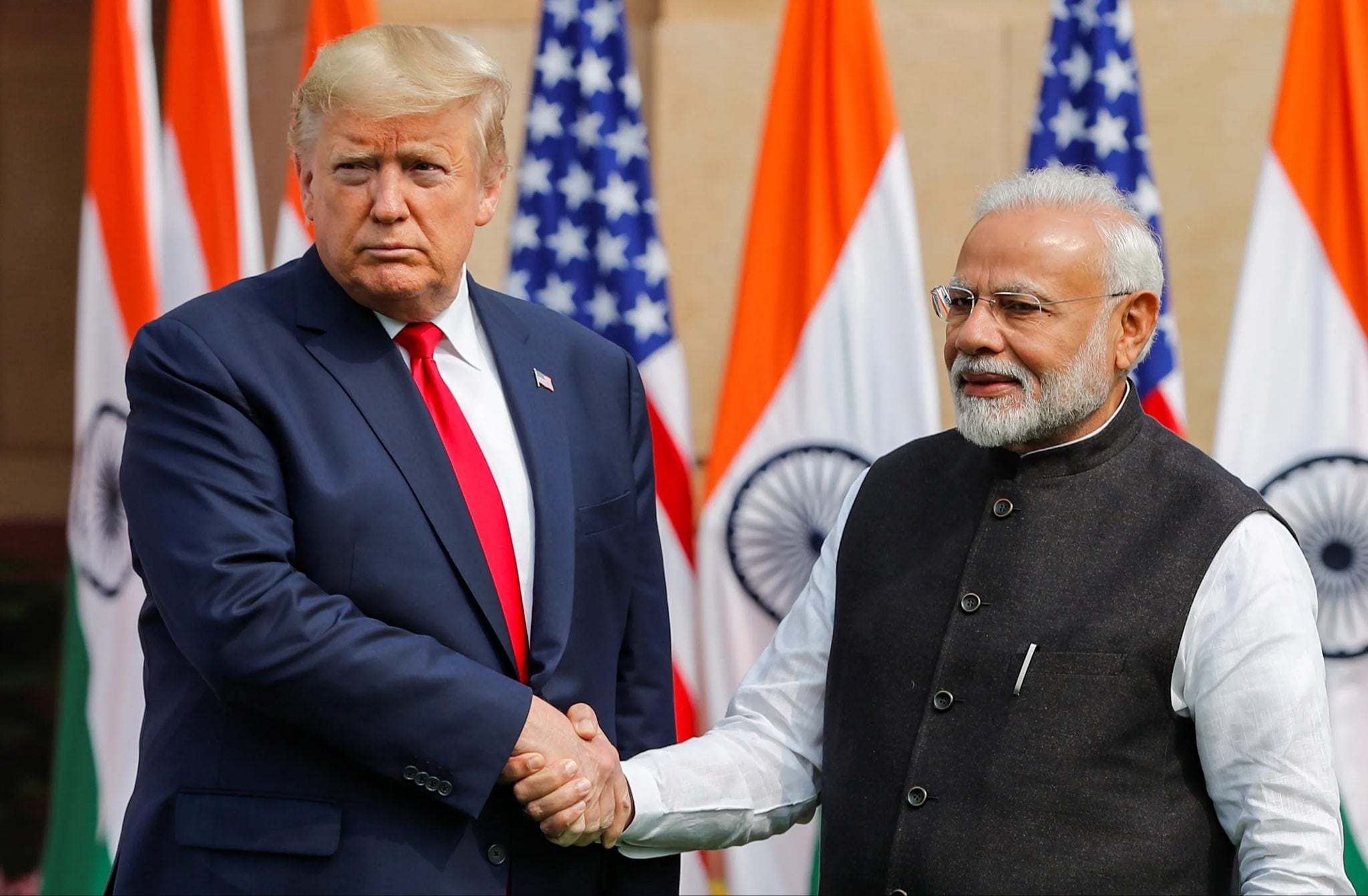
In a subtle yet significant move, the United States has revised a key document outlining its trade agreement with India, just a day after its initial release. The original factsheet, published by the Office of the United States Trade Representative (USTR), detailed the achievements of the recent trade deal, including the removal of tariffs on a range of agricultural products, among other concessions. However, a revised version now omits any mention of pulses, a crop of significant economic and cultural importance in India.
This revision has raised eyebrows among trade analysts and those familiar with Indo-US relations. The initial inclusion of pulses was seen as a significant concession by the US, as it would have opened up the American market to Indian farmers, potentially boosting their exports and providing economic benefits. The sudden removal of this provision raises questions about the motivations behind the change. Was it a simple oversight, or a strategic decision influenced by domestic agricultural interests in the US?
The USTR has not provided an official statement regarding this change, leaving room for speculation. Some experts suggest that the revision might be a response to concerns from American farmers who could face increased competition from Indian pulse producers. This theory is supported by the fact that the US is a significant exporter of pulses, particularly to India, and any reduction in tariffs could impact their market share.
As the trade deal progresses, further revisions and negotiations are expected. This initial change highlights the delicate balance between economic gains and domestic interests in international trade agreements. The US-India trade relationship is a crucial aspect of global commerce, and these revisions, though seemingly minor, could have significant implications for both countries' economies and agricultural sectors.
Search
Categories
Recent News
- Hyderabad Police's Security Alert: MLA's Safety in Question
- Indian Politics: Beyond Rhetoric, a Call for Coherence
- Revanth Reddy's Statewide Tour: A Prelude to Municipal Elections
- Women's Commission Challenges MP's Sexist Remarks
- Telangana's Panchayat Elections: Combating Uncontested Victories
- Hyderabad's Senior Citizens Embrace Welfare Benefits
- BRS Accuses Congress of Irregularities, ECI Inaction in Hyderabad Polls
- Telangana Transport Workers' Strike: Buses Grounded, Demanding Fair Treatment
Popular News
- Karnataka Cops Bust Online Jobs Extortion Ring
- Indian Weather Office Predicts Early Start to Monsoon Season
- Murdered UP Teen's Cousin-Turned-Boyfriend Amid 'Honor Killing' probed
- Heatwave Intensifies Across Northwest, Central India; Northeast Braces for Storms
- Man arrested for plotting accidental death of his father