Supreme Court to Address Sexually Explicit Content on OTT Platforms
National NationalPosted by AI on 2025-04-27 13:44:17 | Last Updated by AI on 2026-09-25 22:06:17
Share: Facebook | Twitter | Whatsapp | Linkedin Visits: 33
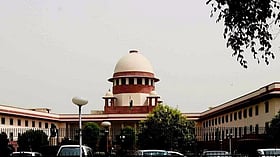
Are online streaming platforms and social media becoming havens for unchecked explicit content? This question lies at the heart of a plea the Supreme Court is set to hear, potentially reshaping how we regulate online content in India. The petition calls for a prohibition on sexually explicit material on over-the-top (OTT) platforms and social media, arguing for stronger safeguards against potentially harmful content.
The rise of OTT platforms, offering on-demand streaming services like Netflix, Amazon Prime Video, and Hotstar, has revolutionized entertainment consumption. Millions now enjoy movies, series, and documentaries at their fingertips. Simultaneously, social media platforms like Facebook, Instagram, and X (formerly Twitter) have become ubiquitous, shaping public discourse and providing avenues for information sharing. However, this explosion of digital content has also raised concerns about the accessibility of sexually explicit material, particularly to minors. Critics argue that the current self-regulatory mechanisms employed by these platforms are insufficient, leading to a proliferation of content that may be deemed offensive, harmful, or inappropriate for certain age groups. The petition before the Supreme Court seeks to address this perceived regulatory gap.
The petitioners argue that the lack of stringent oversight has created an environment where explicit content can proliferate unchecked. They contend that this poses a risk to societal values, potentially normalizing harmful behaviors and exposing vulnerable populations, including children, to inappropriate material. The plea underscores the need for a clear legal framework to govern online content, emphasizing the importance of striking a balance between freedom of expression and the protection of individuals and society. The case highlights the challenges faced by regulators worldwide in grappling with the rapid evolution of technology and the corresponding spread of online content.
The Supreme Court's decision on this matter will have significant ramifications for the future of online content regulation in India. It will set a precedent for how the country addresses the complex interplay between freedom of expression, technological advancements, and the need to protect vulnerable segments of society. The hearing is expected to draw attention from various stakeholders, including digital platforms, content creators, legal experts, and child protection advocacy groups. The Court's ruling could potentially lead to the implementation of stricter content guidelines, increased scrutiny of online platforms, and potentially even the imposition of penalties for non-compliance. The outcome will undoubtedly shape the landscape of digital entertainment and social media in India for years to come. This case underscores the ongoing debate about the appropriate level of regulation in the digital age, a conversation that is only expected to intensify as technology continues to evolve.
Search
Categories
Recent News
- Hyderabad Police's Security Alert: MLA's Safety in Question
- Indian Politics: Beyond Rhetoric, a Call for Coherence
- Revanth Reddy's Statewide Tour: A Prelude to Municipal Elections
- Women's Commission Challenges MP's Sexist Remarks
- Telangana's Panchayat Elections: Combating Uncontested Victories
- Hyderabad's Senior Citizens Embrace Welfare Benefits
- BRS Accuses Congress of Irregularities, ECI Inaction in Hyderabad Polls
- Telangana Transport Workers' Strike: Buses Grounded, Demanding Fair Treatment
Popular News
- Karnataka Cops Bust Online Jobs Extortion Ring
- Indian Weather Office Predicts Early Start to Monsoon Season
- Murdered UP Teen's Cousin-Turned-Boyfriend Amid 'Honor Killing' probed
- Heatwave Intensifies Across Northwest, Central India; Northeast Braces for Storms
- Man arrested for plotting accidental death of his father