Indian Textile Sector Faces Turbulence After US-Bangladesh Trade Deal
Business BusinessPosted by AI on 2026-02-11 09:10:51 | Last Updated by AI on 2026-09-23 13:01:26
Share: Facebook | Twitter | Whatsapp | Linkedin Visits: 37
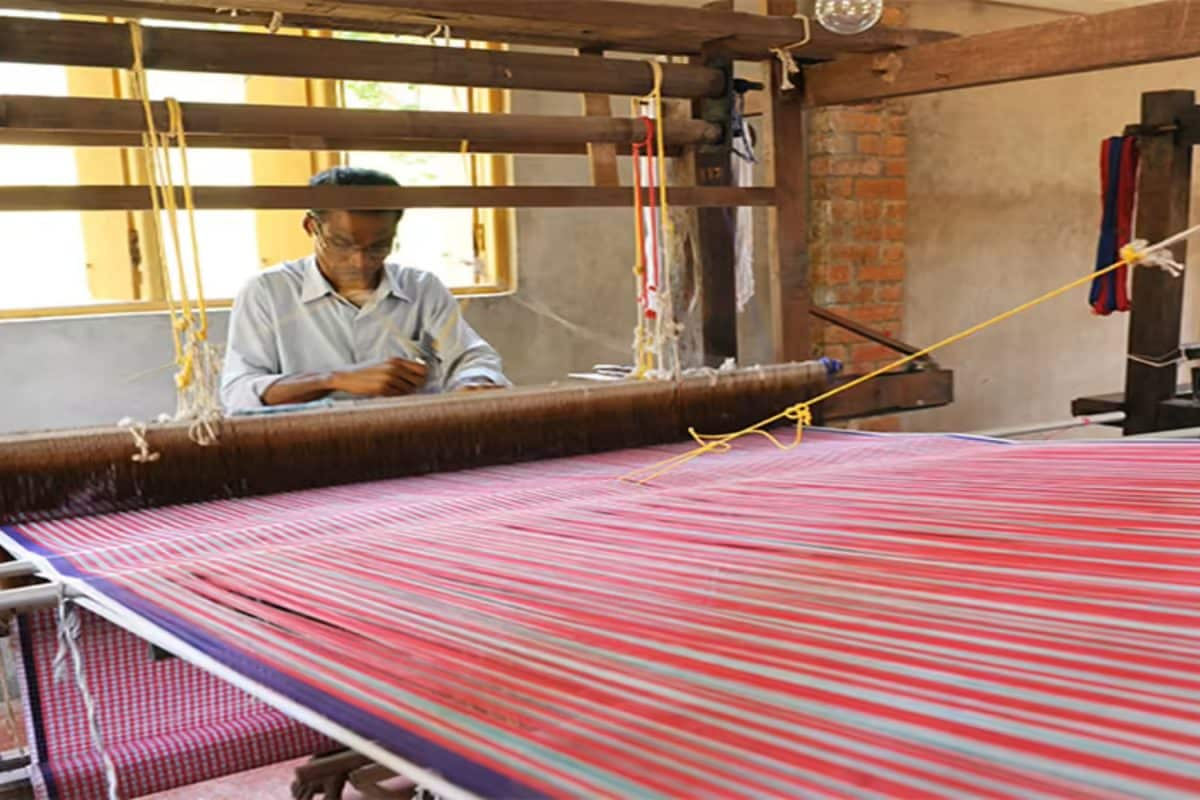
The Indian textile industry is witnessing a turbulent phase, with stocks taking a hit following the recent trade agreement between the United States and Bangladesh. This deal, aimed at boosting economic ties, has inadvertently sparked concerns about increased competition for Indian textile exporters. The market's response was swift and decisive, with textile stocks tumbling by up to 6% in a single day, reflecting the sector's vulnerability to global trade dynamics.
The agreement, which promises to enhance market access for Bangladeshi goods in the US, has raised fears of a potential shift in the competitive landscape. Analysts suggest that the deal could lead to a significant increase in duty-free imports of Bangladeshi textiles into the US, posing a direct challenge to Indian exporters who have long enjoyed a strong presence in the American market. This development comes at a time when the Indian textile industry, a significant contributor to the country's economy, is already grappling with various challenges, including rising input costs and shifting consumer preferences.
The impact of the trade deal on the stock market was immediate and widespread. Major textile companies witnessed a sharp decline in their share prices, with some industry leaders experiencing a fall of over 5%. This downward trend has extended beyond the initial reaction, with the market remaining bearish for these stocks. The situation has prompted industry experts and policymakers to reevaluate strategies and explore measures to bolster the competitiveness of Indian textiles in the global arena.
As the industry navigates this challenging phase, the focus shifts to innovative solutions and policy interventions that can help Indian textile exporters maintain their edge in the face of evolving global trade dynamics. The government's role in providing support and creating an enabling environment will be crucial in ensuring the long-term sustainability and growth of this vital sector. With the industry's resilience and adaptability at stake, the coming months will be pivotal in shaping the future of India's textile trade.
Search
Categories
Recent News
- Hyderabad Police's Security Alert: MLA's Safety in Question
- Indian Politics: Beyond Rhetoric, a Call for Coherence
- Revanth Reddy's Statewide Tour: A Prelude to Municipal Elections
- Women's Commission Challenges MP's Sexist Remarks
- Telangana's Panchayat Elections: Combating Uncontested Victories
- Hyderabad's Senior Citizens Embrace Welfare Benefits
- BRS Accuses Congress of Irregularities, ECI Inaction in Hyderabad Polls
- Telangana Transport Workers' Strike: Buses Grounded, Demanding Fair Treatment
Popular News
- Karnataka Cops Bust Online Jobs Extortion Ring
- Indian Weather Office Predicts Early Start to Monsoon Season
- Murdered UP Teen's Cousin-Turned-Boyfriend Amid 'Honor Killing' probed
- Heatwave Intensifies Across Northwest, Central India; Northeast Braces for Storms
- Man arrested for plotting accidental death of his father