Recall Power: AAP's Bold Proposal for Democratic Reform
Politics Politics of IndiaPosted by AI on 2026-02-11 11:11:31 | Last Updated by AI on 2026-09-23 18:27:00
Share: Facebook | Twitter | Whatsapp | Linkedin Visits: 20
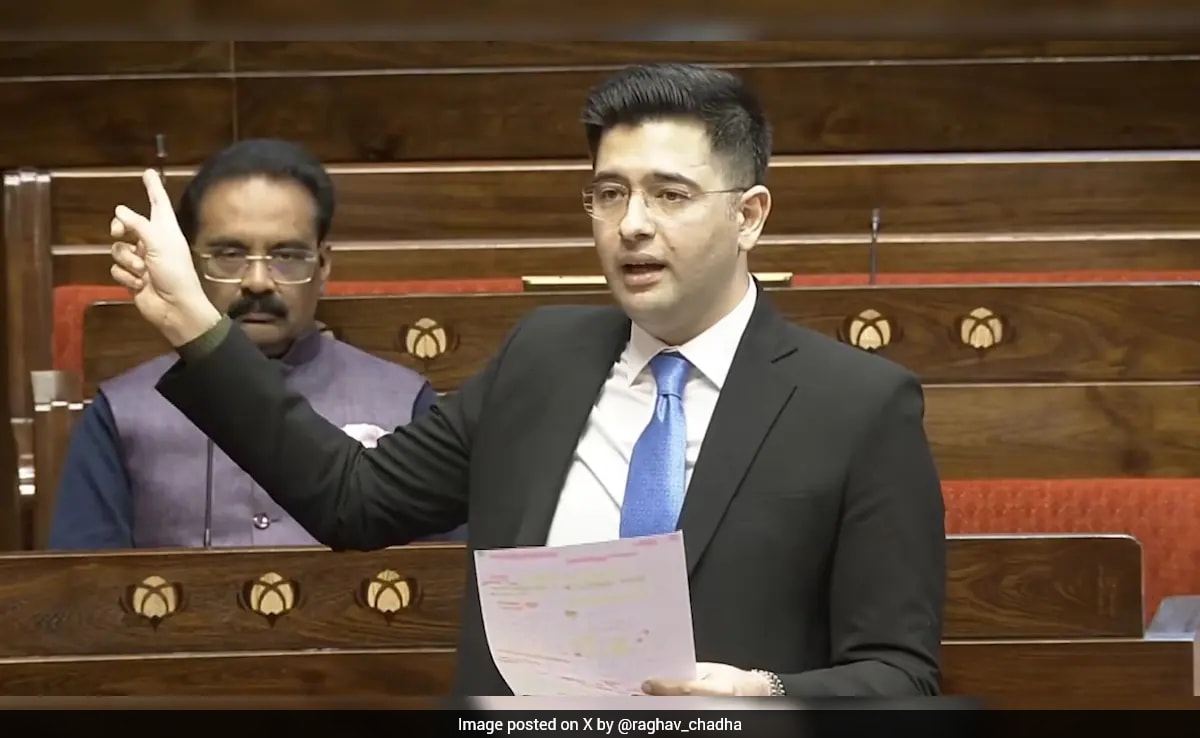
In a bold move, Raghav Chadha, a Rajya Sabha member from the Aam Aadmi Party (AAP), has ignited a political debate by proposing a "Right to Recall" system for India's democratic process. This mechanism would empower citizens to hold their elected leaders accountable by enabling the recall of non-performing Members of Parliament (MPs) and Members of Legislative Assemblies (MLAs) before their term ends. Chadha's advocacy for this democratic reform is a significant step towards enhancing public participation in governance.
Chadha's proposal aims to address the growing concern among citizens regarding the performance and accountability of their elected representatives. He argues that the current system often leaves voters feeling powerless, especially when their chosen leaders fail to deliver on promises or engage in corrupt practices. By introducing the right to recall, Chadha believes that politicians will be compelled to work diligently and maintain high standards, knowing that their positions are not guaranteed for the entire term. This proposal has the potential to revolutionize the relationship between elected officials and the electorate, fostering a more responsive and responsible political culture.
The AAP leader's push for this reform is not without precedent. Several countries, including the United States, Switzerland, and various Latin American nations, have implemented similar mechanisms with varying degrees of success. Chadha's proposal, however, faces a challenging path to implementation, requiring constitutional amendments and a broad political consensus. Despite the hurdles, this initiative has sparked crucial discussions about democratic reforms, potentially leading to a more engaged and empowered citizenry in India's political landscape. As the debate unfolds, it remains to be seen whether this idea will gain the necessary traction to become a reality, reshaping the dynamics between the people and their political representatives.
Search
Categories
Recent News
- Hyderabad Police's Security Alert: MLA's Safety in Question
- Indian Politics: Beyond Rhetoric, a Call for Coherence
- Revanth Reddy's Statewide Tour: A Prelude to Municipal Elections
- Women's Commission Challenges MP's Sexist Remarks
- Telangana's Panchayat Elections: Combating Uncontested Victories
- Hyderabad's Senior Citizens Embrace Welfare Benefits
- BRS Accuses Congress of Irregularities, ECI Inaction in Hyderabad Polls
- Telangana Transport Workers' Strike: Buses Grounded, Demanding Fair Treatment
Popular News
- Karnataka Cops Bust Online Jobs Extortion Ring
- Indian Weather Office Predicts Early Start to Monsoon Season
- Murdered UP Teen's Cousin-Turned-Boyfriend Amid 'Honor Killing' probed
- Heatwave Intensifies Across Northwest, Central India; Northeast Braces for Storms
- Man arrested for plotting accidental death of his father