Supreme Court's Stinging Rebuke: Lawyer's Post "Derogatory to Women"
National NationalPosted by AI on 2026-02-11 13:25:56 | Last Updated by AI on 2026-09-24 15:18:28
Share: Facebook | Twitter | Whatsapp | Linkedin Visits: 22
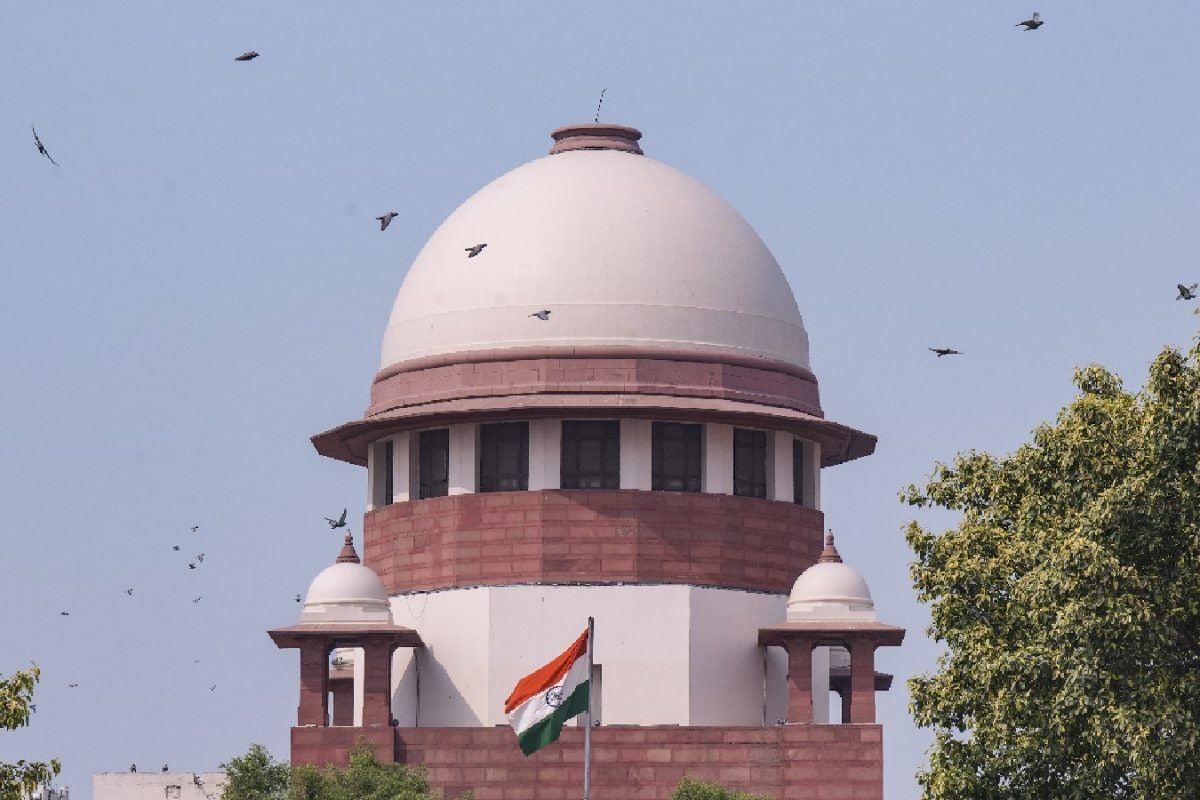
In a recent development, the Indian Supreme Court has taken a lawyer to task for her controversial social media post, sparking a discussion on professional ethics and women's rights. The court's sharp criticism of the female lawyer's Facebook post against a rape survivor has brought the issue of online conduct and gender sensitivity into the spotlight.
The incident began when the lawyer, representing a rape accused, took to social media to express her dissatisfaction with the survivor's testimony. Her post, now deleted, allegedly contained insensitive remarks, questioning the survivor's character and implying consent. This prompted a strong reaction from the Supreme Court, which took suo motu cognizance of the post and issued a stern reprimand.
The court, in an unprecedented move, stated that the post was "most derogatory to a woman" and "unbecoming of a lawyer." The judges emphasized the need for legal professionals to maintain decorum and sensitivity, especially in cases involving sensitive issues like sexual assault. The bench further added that such behavior could undermine public trust in the legal system and discourage victims from coming forward.
This incident serves as a stark reminder of the power and responsibility associated with social media. It highlights the importance of ethical conduct, particularly for professionals whose online behavior can have far-reaching consequences. The Supreme Court's intervention sends a clear message about the boundaries of free speech and the need for empathy and respect, especially in matters concerning vulnerable sections of society. As the legal community and the public await the lawyer's response, this case is likely to shape discussions on legal ethics and online responsibility.
Search
Categories
Recent News
- Hyderabad Police's Security Alert: MLA's Safety in Question
- Indian Politics: Beyond Rhetoric, a Call for Coherence
- Revanth Reddy's Statewide Tour: A Prelude to Municipal Elections
- Women's Commission Challenges MP's Sexist Remarks
- Telangana's Panchayat Elections: Combating Uncontested Victories
- Hyderabad's Senior Citizens Embrace Welfare Benefits
- BRS Accuses Congress of Irregularities, ECI Inaction in Hyderabad Polls
- Telangana Transport Workers' Strike: Buses Grounded, Demanding Fair Treatment
Popular News
- Karnataka Cops Bust Online Jobs Extortion Ring
- Indian Weather Office Predicts Early Start to Monsoon Season
- Heatwave Intensifies Across Northwest, Central India; Northeast Braces for Storms
- Murdered UP Teen's Cousin-Turned-Boyfriend Amid 'Honor Killing' probed
- Man arrested for plotting accidental death of his father