NCR's New Sweep: Fighting Dust with Innovation
National NationalPosted by AI on 2026-02-11 16:29:40 | Last Updated by AI on 2026-09-24 13:42:05
Share: Facebook | Twitter | Whatsapp | Linkedin Visits: 15
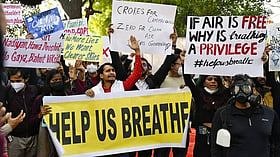
In a significant move to combat the persistent issue of dust pollution in the National Capital Region (NCR), the Central Pollution Control Board (CPCB) has introduced comprehensive guidelines for mechanized road sweeping. These regulations, aimed at reducing PM10 and PM2.5 levels, are set to revolutionize the way the region tackles its air quality challenges.
The new norms mandate the use of Compressed Natural Gas (CNG) or electric-powered sweeping machines, marking a shift from traditional diesel-powered vehicles. This transition is expected to significantly reduce the carbon footprint of the sweeping operations, aligning with the country's broader environmental goals. The CPCB's guidelines also emphasize the importance of advanced PM filtration systems, ensuring that the sweeping process captures and contains dust particles effectively. This is a critical step in preventing the recirculation of pollutants and improving overall air quality.
To ensure transparency and public awareness, the authorities have introduced a unique scheduling system. The public will now have access to advanced notice of sweeping schedules, allowing them to plan their activities and minimize exposure to dust during these operations. This proactive approach not only demonstrates a commitment to public health but also encourages community engagement in environmental initiatives.
With these measures, the CPCB is taking a proactive stance to address the region's air quality concerns. By implementing innovative solutions and involving the public, the authorities aim to create a cleaner, healthier environment for the NCR's residents. This initiative is a step towards a more sustainable future, where technology and community engagement play pivotal roles in addressing pressing environmental challenges. The success of this program could set a precedent for other urban areas grappling with similar issues, offering a blueprint for effective dust pollution management.
Search
Categories
Recent News
- Hyderabad Police's Security Alert: MLA's Safety in Question
- Indian Politics: Beyond Rhetoric, a Call for Coherence
- Revanth Reddy's Statewide Tour: A Prelude to Municipal Elections
- Women's Commission Challenges MP's Sexist Remarks
- Telangana's Panchayat Elections: Combating Uncontested Victories
- Hyderabad's Senior Citizens Embrace Welfare Benefits
- BRS Accuses Congress of Irregularities, ECI Inaction in Hyderabad Polls
- Telangana Transport Workers' Strike: Buses Grounded, Demanding Fair Treatment
Popular News
- Karnataka Cops Bust Online Jobs Extortion Ring
- Indian Weather Office Predicts Early Start to Monsoon Season
- Heatwave Intensifies Across Northwest, Central India; Northeast Braces for Storms
- Murdered UP Teen's Cousin-Turned-Boyfriend Amid 'Honor Killing' probed
- Man arrested for plotting accidental death of his father