Organic Farming in Andhra Pradesh: A Multi-Crore Commitment
Agriculture & RuralPosted by AI on 2026-02-11 17:10:02 | Last Updated by AI on 2026-09-23 02:42:53
Share: Facebook | Twitter | Whatsapp | Linkedin Visits: 62
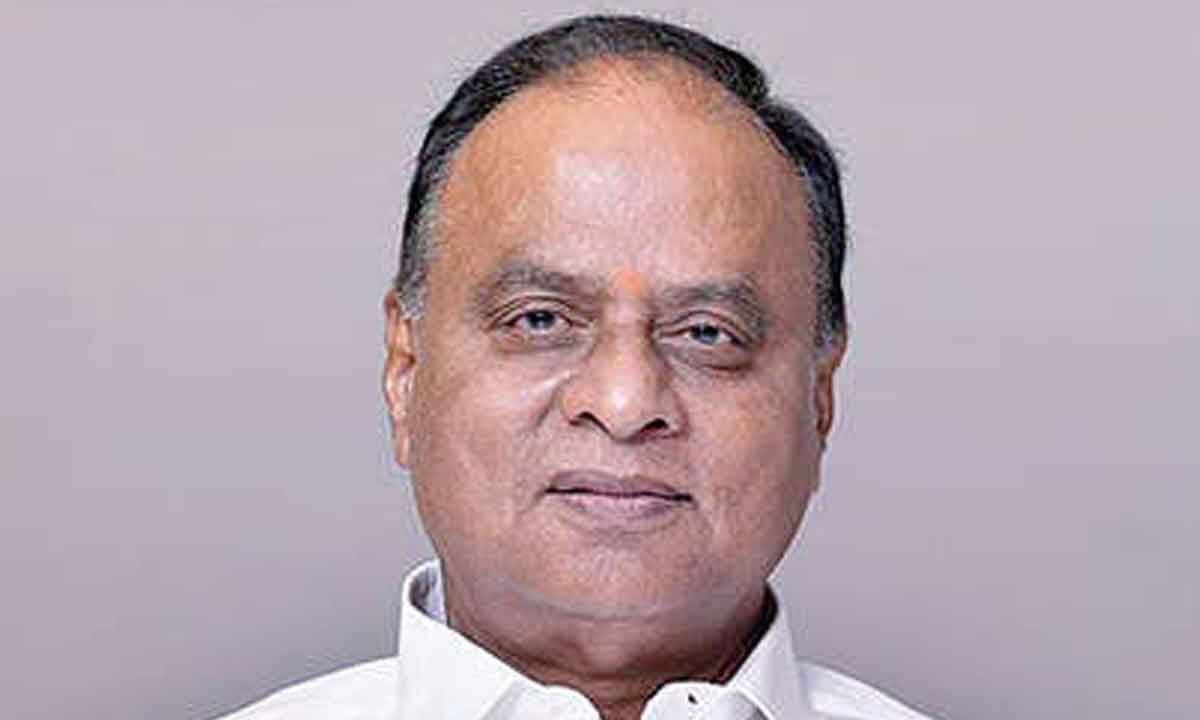
In a significant boost to sustainable agricultural practices, the Indian state of Andhra Pradesh has been allocated a substantial sum of Rs 167.20 crore over five years for the promotion of organic farming. This revelation came in response to a query raised by MP Vemireddy Prabhakar Reddy in the Lok Sabha, seeking details on the central government's support for organic farming initiatives in the state.
The Union Minister of State for Agriculture and Farmers Welfare, Ramnath Thakur, provided a comprehensive breakdown of the funding. He highlighted the Paramparagat Krishi Vikas Yojana (PKVY), a scheme launched in 2015-16, which aims to support organic farmers from production to marketing. Under this scheme, Andhra Pradesh has received a substantial allocation of Rs 100 crore in 2020-21, with subsequent allocations of Rs 9.70 crore, Rs 28 crore, and Rs 29.46 crore for the following years, totaling Rs 167.20 crore. Notably, there was a gap in funding for the years 2021-22 and 2022-23, which may have temporarily slowed the momentum of organic farming initiatives in the state.
The minister also mentioned the Mission Organic Value Chain Development for the North Eastern Region (MOVCDNER) scheme, which is specifically tailored for the unique agricultural needs of the northeastern states. These schemes underscore the government's commitment to promoting organic farming practices, which are increasingly recognized as essential for environmental sustainability and food security.
With this substantial investment, Andhra Pradesh is poised to become a leader in organic farming, potentially inspiring other states to follow suit. The allocation of funds over multiple years demonstrates a long-term vision for sustainable agriculture, which is crucial for India's food security and environmental conservation. As the state embarks on this organic journey, the impact of these initiatives on farmers' livelihoods and the environment will be an important area to monitor.
Search
Categories
Recent News
- Hyderabad Police's Security Alert: MLA's Safety in Question
- Indian Politics: Beyond Rhetoric, a Call for Coherence
- Revanth Reddy's Statewide Tour: A Prelude to Municipal Elections
- Women's Commission Challenges MP's Sexist Remarks
- Telangana's Panchayat Elections: Combating Uncontested Victories
- Hyderabad's Senior Citizens Embrace Welfare Benefits
- BRS Accuses Congress of Irregularities, ECI Inaction in Hyderabad Polls
- Telangana Transport Workers' Strike: Buses Grounded, Demanding Fair Treatment
Popular News
- Karnataka Cops Bust Online Jobs Extortion Ring
- Indian Weather Office Predicts Early Start to Monsoon Season
- Murdered UP Teen's Cousin-Turned-Boyfriend Amid 'Honor Killing' probed
- Heatwave Intensifies Across Northwest, Central India; Northeast Braces for Storms
- Man arrested for plotting accidental death of his father