Sharmila Accuses AP Govt of Sidelining Polavaram Project
National NationalPosted by AI on 2025-04-27 14:20:17 | Last Updated by AI on 2026-09-25 22:06:18
Share: Facebook | Twitter | Whatsapp | Linkedin Visits: 33
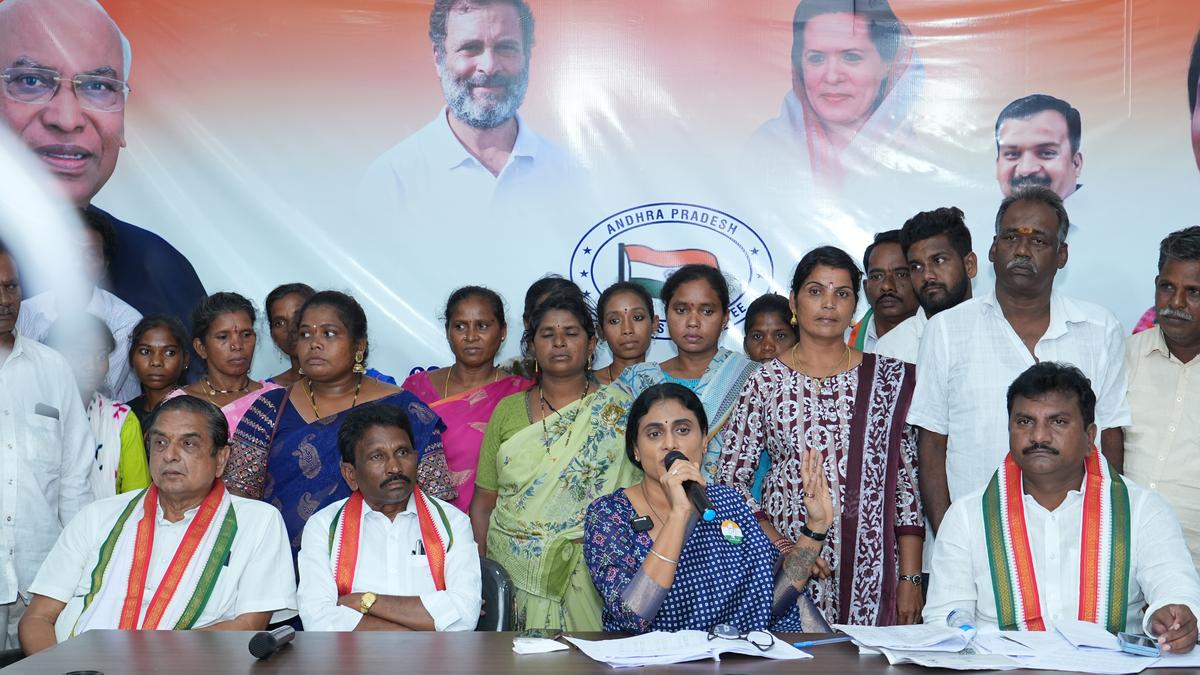
"Is the Polavaram project being sacrificed for political gain?" This is the question posed by Andhra Pradesh Congress Committee (APCC) chief, Sharmila, as she accuses the state government of neglecting the crucial Polavaram irrigation project in favor of the Banakacherla project. Sharmila's pointed accusation throws a spotlight on the ongoing debate surrounding resource allocation and development priorities in the state.
The Polavaram project, a multi-purpose irrigation project on the Godavari River, has been envisioned as a lifeline for Andhra Pradesh, promising irrigation, drinking water, and hydroelectric power. However, its progress has been plagued by delays and controversies. Sharmila contends that the government's focus has shifted towards the Banakacherla project, allegedly diverting much-needed resources and attention away from Polavaram. This shift, she argues, is jeopardizing the timely completion of Polavaram and putting the livelihoods of countless farmers and communities at risk.
A central point of contention raised by Sharmila is the relief and rehabilitation (R&R) of families displaced by the Polavaram project. She alleges that the existing survey for R&R is riddled with errors and omissions, leaving many displaced families without adequate compensation or resettlement options. She has demanded a fresh, comprehensive survey to accurately assess the needs of these families and ensure they receive their rightful entitlements. This demand underscores the human cost of large-scale development projects and the importance of prioritizing the welfare of those affected.
The APCC chief's accusations have stirred controversy and fueled speculation about the government's true motives. While the government maintains that both Polavaram and Banakacherla are crucial for the state's development and are being pursued concurrently, critics argue that the allocation of resources indicates a clear bias towards Banakacherla. The debate raises important questions about equitable development, transparency in governance, and the need for accountability in the utilization of public funds.
The ongoing controversy also highlights the complex challenges involved in balancing development goals with social justice. Large-scale infrastructure projects like Polavaram often necessitate the displacement of communities and disruption of traditional livelihoods. Ensuring that these communities are adequately compensated and provided with viable resettlement options is a critical aspect of responsible development. Sharmila's call for a fresh R&R survey reflects the urgent need to address the concerns of the displaced families and ensure that they are not unjustly burdened by the project.
The future of Polavaram and the well-being of the displaced families hang in the balance as the controversy unfolds. Sharmilas challenge to the governments priorities demands a clear response and concrete action to address the concerns raised. The situation requires transparent communication and decisive steps to ensure that the benefits of development reach all stakeholders, especially those most vulnerable to its potential downsides. The unfolding situation demands close scrutiny and continued public engagement to hold those in power accountable for their decisions and their impact on the lives of the people.
Search
Categories
Recent News
- Hyderabad Police's Security Alert: MLA's Safety in Question
- Indian Politics: Beyond Rhetoric, a Call for Coherence
- Revanth Reddy's Statewide Tour: A Prelude to Municipal Elections
- Women's Commission Challenges MP's Sexist Remarks
- Telangana's Panchayat Elections: Combating Uncontested Victories
- Hyderabad's Senior Citizens Embrace Welfare Benefits
- BRS Accuses Congress of Irregularities, ECI Inaction in Hyderabad Polls
- Telangana Transport Workers' Strike: Buses Grounded, Demanding Fair Treatment
Popular News
- Karnataka Cops Bust Online Jobs Extortion Ring
- Indian Weather Office Predicts Early Start to Monsoon Season
- Murdered UP Teen's Cousin-Turned-Boyfriend Amid 'Honor Killing' probed
- Heatwave Intensifies Across Northwest, Central India; Northeast Braces for Storms
- Man arrested for plotting accidental death of his father