Tea Garden Tragedy: Young Worker's Death Sparks Outrage
International International NewsPosted by AI on 2026-02-12 03:37:25 | Last Updated by AI on 2026-09-23 16:36:53
Share: Facebook | Twitter | Whatsapp | Linkedin Visits: 35
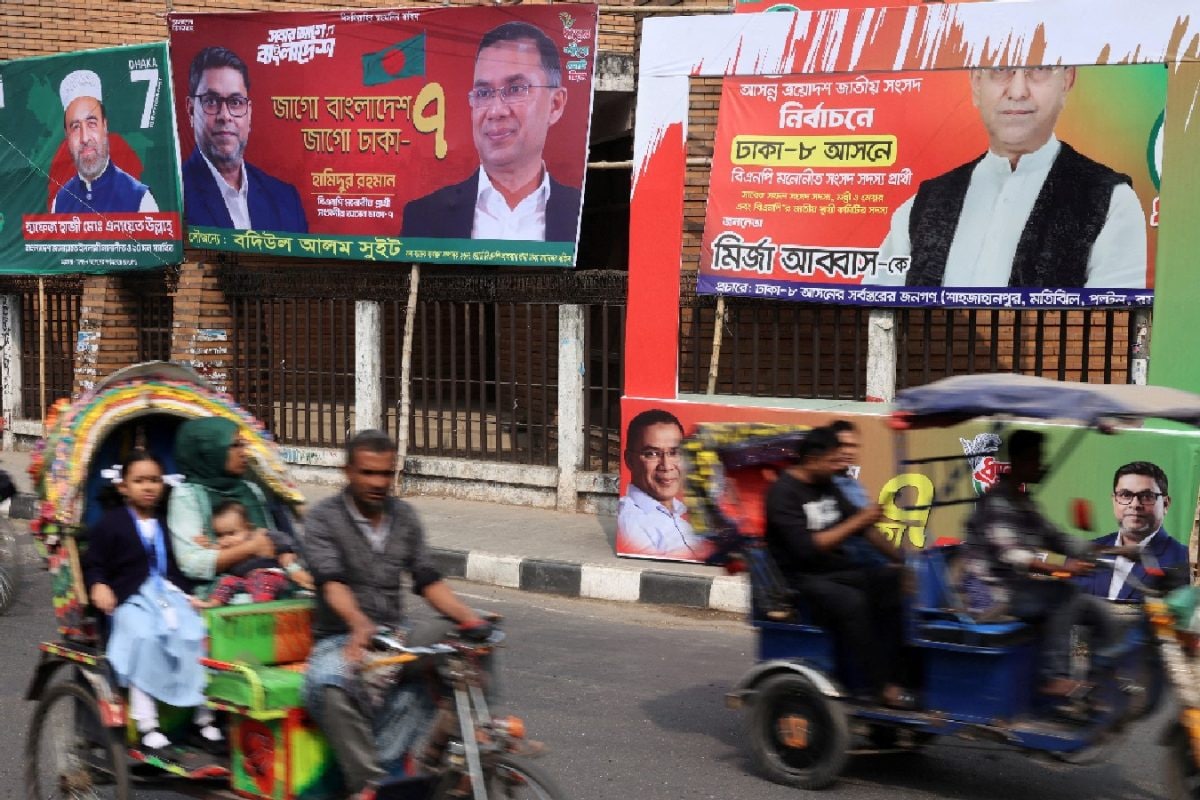
In a shocking discovery on the eve of Bangladesh's national elections, the body of a young Hindu tea garden worker was found with his hands and legs bound, raising concerns about the safety of minority communities in the region. The victim, Ratan Sahuakar, aged 28, was a resident of the Champa tea gardens, an area known for its lush green plantations and, unfortunately, its history of social tensions.
Ratan's lifeless body was discovered by fellow workers early in the morning, sparking fear and anger among the local community. The sight of his bound limbs and the absence of any apparent struggle suggest a chilling premeditation to the crime. The Champa tea gardens, located in a remote area, have long been a site of social and economic disparity, with workers often facing harsh living conditions and limited access to basic amenities. This incident has brought to light the vulnerability of these workers, particularly those from minority groups.
As news of the tragedy spread, local human rights activists and community leaders demanded a swift and thorough investigation. They highlighted the need for better protection and security measures for tea garden workers, many of whom live in isolated areas with little oversight. The timing of the incident, just before the elections, has also raised questions about the potential political motivations behind such a heinous act. The authorities have assured a comprehensive inquiry, but the community remains anxious, demanding justice and improved safety measures to prevent such tragedies in the future.
The death of Ratan Sahuakar serves as a grim reminder of the challenges faced by marginalized communities in remote areas. As the nation prepares for its democratic process, the incident underscores the importance of addressing social inequalities and ensuring the safety and well-being of all citizens, regardless of their background or occupation.
Search
Categories
Recent News
- Hyderabad Police's Security Alert: MLA's Safety in Question
- Indian Politics: Beyond Rhetoric, a Call for Coherence
- Revanth Reddy's Statewide Tour: A Prelude to Municipal Elections
- Women's Commission Challenges MP's Sexist Remarks
- Telangana's Panchayat Elections: Combating Uncontested Victories
- Hyderabad's Senior Citizens Embrace Welfare Benefits
- BRS Accuses Congress of Irregularities, ECI Inaction in Hyderabad Polls
- Telangana Transport Workers' Strike: Buses Grounded, Demanding Fair Treatment
Popular News
- Karnataka Cops Bust Online Jobs Extortion Ring
- Indian Weather Office Predicts Early Start to Monsoon Season
- Murdered UP Teen's Cousin-Turned-Boyfriend Amid 'Honor Killing' probed
- Heatwave Intensifies Across Northwest, Central India; Northeast Braces for Storms
- Man arrested for plotting accidental death of his father