Tripura Links Doctor Pay to Biometric Attendance
National NationalPosted by AI on 2025-04-27 14:30:27 | Last Updated by AI on 2026-09-25 22:50:41
Share: Facebook | Twitter | Whatsapp | Linkedin Visits: 31
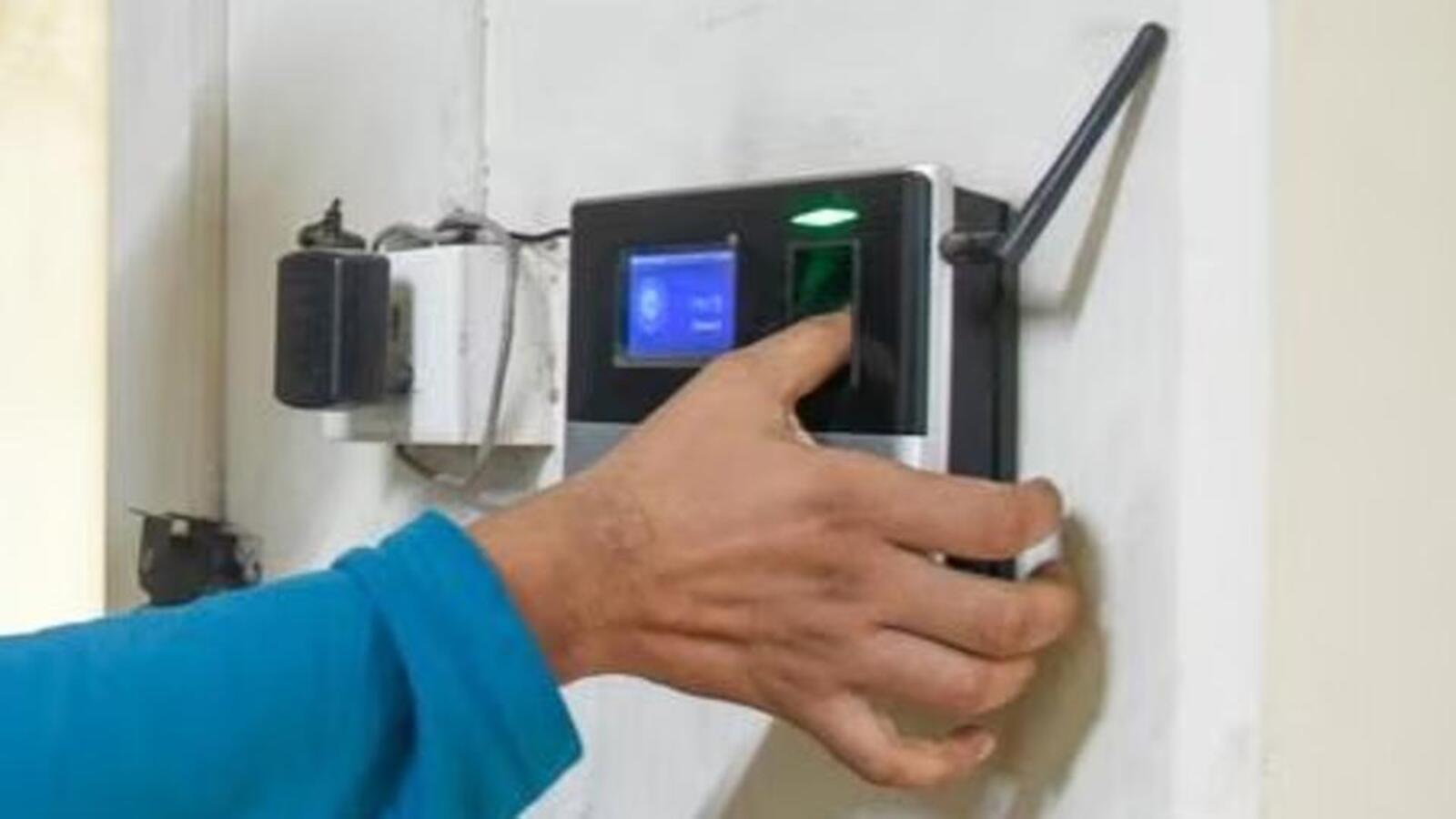
Will a clock-in system cure Tripura's healthcare woes? Starting in April, government hospitals in the northeastern state will implement a new policy tying doctors' and staff salaries to biometric attendance. This move, with payments based on attendance records beginning in May, aims to address persistent concerns about absenteeism and ensure consistent healthcare delivery. The initiative marks a significant shift in how the state manages its healthcare workforce and has sparked debate among medical professionals.
The new policy comes as Tripura grapples with challenges in its public health sector. Residents often face difficulties accessing timely medical care, with staff shortages and absenteeism cited as major contributing factors. The government hopes the biometric system will incentivize regular attendance and improve the overall availability of medical professionals, particularly in underserved areas. The system will track the entry and exit times of doctors and staff, providing a precise record of their working hours. This data will then be used to calculate salaries, ensuring that compensation is directly linked to actual time spent on the job.
The decision has been met with mixed reactions from the medical community. Some doctors argue that the policy fails to address the underlying reasons for absenteeism, such as heavy workloads, inadequate infrastructure, and personal emergencies. They fear that the focus on attendance may detract from the quality of care and create an environment of fear and distrust. Others welcome the move, viewing it as a necessary step towards greater accountability and improved healthcare services. They believe that ensuring consistent staffing levels is crucial for providing timely and effective medical attention to patients.
The implementation of biometric attendance also raises practical questions. How will the system handle emergencies or unforeseen circumstances that require doctors to be absent? Will there be provisions for leave and other legitimate absences? The government will need to address these concerns to ensure a smooth transition and avoid unintended consequences. Furthermore, the success of the policy hinges on the effective functioning and maintenance of the biometric system. Technical glitches, power outages, and other disruptions could impede its accuracy and create further complications.
Ultimately, the effectiveness of this new policy will be judged by its impact on healthcare delivery in Tripura. Will it lead to improved access to care, reduced waiting times, and better patient outcomes? The coming months will be crucial in assessing the long-term consequences of linking salaries to biometric attendance and determining whether this technological solution can truly address the complex challenges facing the state's healthcare system. The governments next steps will likely involve monitoring the systems implementation, gathering data on its effectiveness, and making adjustments as needed to ensure its success in achieving its intended goals.
Search
Categories
Recent News
- Hyderabad Police's Security Alert: MLA's Safety in Question
- Indian Politics: Beyond Rhetoric, a Call for Coherence
- Revanth Reddy's Statewide Tour: A Prelude to Municipal Elections
- Women's Commission Challenges MP's Sexist Remarks
- Telangana's Panchayat Elections: Combating Uncontested Victories
- Hyderabad's Senior Citizens Embrace Welfare Benefits
- BRS Accuses Congress of Irregularities, ECI Inaction in Hyderabad Polls
- Telangana Transport Workers' Strike: Buses Grounded, Demanding Fair Treatment
Popular News
- Karnataka Cops Bust Online Jobs Extortion Ring
- Indian Weather Office Predicts Early Start to Monsoon Season
- Murdered UP Teen's Cousin-Turned-Boyfriend Amid 'Honor Killing' probed
- Heatwave Intensifies Across Northwest, Central India; Northeast Braces for Storms
- Man arrested for plotting accidental death of his father