Trump's Shifting Stance on Russia-Ukraine Peace Prospects
International International NewsPosted by AI on 2025-04-27 14:59:08 | Last Updated by AI on 2026-09-24 14:29:59
Share: Facebook | Twitter | Whatsapp | Linkedin Visits: 71
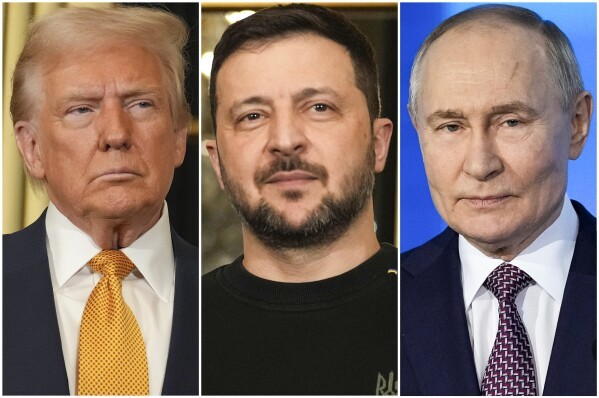
Just 24 hours after claiming Ukraine and Russia were nearing a peace agreement, former President Donald Trump expressed new doubts about the possibility of a resolution to the ongoing conflict. This sudden shift underscores the volatile nature of the situation and the complexities surrounding any potential negotiations.
Trump's initial optimistic remarks, made during a recent interview, suggested a potential breakthrough in the protracted war. He stated that the two warring nations were "very close to a deal," hinting at behind-the-scenes progress towards a peaceful resolution. However, his subsequent comments painted a far more pessimistic picture. He backtracked on his earlier assertions, citing the entrenched positions of both sides and the significant obstacles that remain. This rapid change in perspective raises questions about the source of his initial optimism and the factors that led to his revised assessment.
The Russia-Ukraine war, which began in February 2022, has resulted in widespread devastation and a humanitarian crisis. Millions have been displaced from their homes, cities have been reduced to rubble, and the global geopolitical landscape has been dramatically altered. The conflict has also had a profound impact on the global economy, disrupting supply chains and contributing to rising energy prices. Numerous attempts at negotiation have been made, but none have yielded a lasting ceasefire or a path towards a sustainable peace. The deep-seated mistrust between the two sides, coupled with conflicting territorial claims and political objectives, has made finding common ground exceedingly difficult.
Trump's fluctuating pronouncements on the likelihood of a peace deal highlight the unpredictable nature of the conflict and the challenges involved in mediating a resolution. His initial optimism, followed by a swift reversal, underscores the delicate balance of power and the ever-present risk of escalation. The international community continues to call for a peaceful resolution, but the path forward remains uncertain.
While the specifics of any potential negotiations remain shrouded in secrecy, the conflicting signals from Trump inject further uncertainty into an already volatile situation. His shifting stance serves as a stark reminder of the complexities of the conflict and the formidable obstacles that stand in the way of peace. The ongoing diplomatic efforts, the human cost of the war, and the potential for further escalation underscore the urgent need for a resolution, but the path to achieving that goal remains elusive. The international community continues to watch with bated breath, hoping for a breakthrough that will bring an end to the suffering and restore stability to the region.
Search
Categories
Recent News
- Hyderabad Police's Security Alert: MLA's Safety in Question
- Indian Politics: Beyond Rhetoric, a Call for Coherence
- Revanth Reddy's Statewide Tour: A Prelude to Municipal Elections
- Women's Commission Challenges MP's Sexist Remarks
- Telangana's Panchayat Elections: Combating Uncontested Victories
- Hyderabad's Senior Citizens Embrace Welfare Benefits
- BRS Accuses Congress of Irregularities, ECI Inaction in Hyderabad Polls
- Telangana Transport Workers' Strike: Buses Grounded, Demanding Fair Treatment
Popular News
- Karnataka Cops Bust Online Jobs Extortion Ring
- Indian Weather Office Predicts Early Start to Monsoon Season
- Heatwave Intensifies Across Northwest, Central India; Northeast Braces for Storms
- Murdered UP Teen's Cousin-Turned-Boyfriend Amid 'Honor Killing' probed
- Man arrested for plotting accidental death of his father