India Mourns, Plays On: IND-W vs SL-W Begins After Rain Delay
Sports CricketPosted by AI on 2025-04-27 15:29:11 | Last Updated by AI on 2026-08-17 03:25:04
Share: Facebook | Twitter | Whatsapp | Linkedin Visits: 63
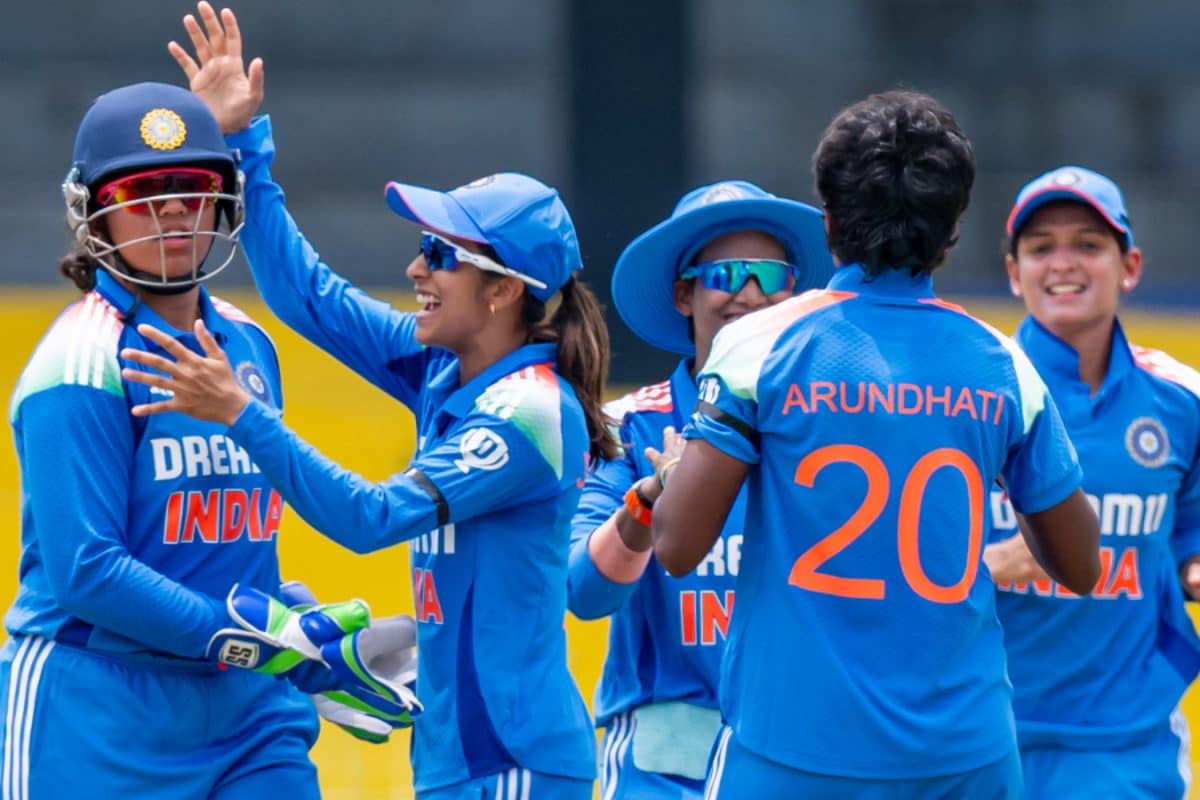
Under a somber cloud, the India-Sri Lanka Women's ODI finally commenced after a three-hour rain delay, reduced to 39 overs per side. The Indian players took to the field wearing black armbands, a poignant reminder of the tragic terrorist attack in Pahalgam, Jammu and Kashmir, a grim backdrop to the sporting encounter. This gesture of solidarity and remembrance for the fallen security personnel set a solemn tone for the match. The usually vibrant atmosphere surrounding an international cricket match was palpably subdued, respect and mourning interwoven with the anticipation of the game.
The delayed start did little to dampen the spirits of the players entirely. As the first ball was bowled, the focus shifted, at least momentarily, to the contest on the field. India elected to field first after winning the toss, perhaps hoping to capitalize on any early movement offered by the rain-affected conditions. The Sri Lankan openers walked out to the crease, facing the dual challenge of a strong Indian bowling attack and the pressure of setting a competitive total in a shortened match. Every run scored, every wicket taken, seemed to carry an added weight, a testament to the resilience of the human spirit in the face of adversity. The muted cheers from the stands, punctuated by moments of electrifying action on the field, painted a picture of a nation grappling with grief while finding solace and strength in the unifying power of sport. The match became more than just a game; it symbolized a refusal to be bowed by tragedy, a commitment to carrying on in the face of loss.
The decision to proceed with the match, despite the tragic circumstances, speaks volumes about the resolve of the cricketing community. Sport, in its unique way, offers a platform for collective healing and shared experience. While the black armbands serve as a constant reminder of the lives lost, the match itself becomes a symbol of hope and continuity. It is a testament to the power of sport to transcend boundaries and unite people, even in the darkest of times. This match, played under the shadow of grief, will undoubtedly be remembered not only for the runs scored and wickets taken but also for the powerful message of resilience and solidarity it conveyed. It underscores the ability of sport to offer a sense of normalcy and hope in the aftermath of tragedy, reminding us that even in the face of immense loss, life, and the game, must go on.
Search
Categories
Recent News
- Hyderabad Police's Security Alert: MLA's Safety in Question
- Indian Politics: Beyond Rhetoric, a Call for Coherence
- Revanth Reddy's Statewide Tour: A Prelude to Municipal Elections
- Women's Commission Challenges MP's Sexist Remarks
- Telangana's Panchayat Elections: Combating Uncontested Victories
- Hyderabad's Senior Citizens Embrace Welfare Benefits
- BRS Accuses Congress of Irregularities, ECI Inaction in Hyderabad Polls
- Telangana Transport Workers' Strike: Buses Grounded, Demanding Fair Treatment
Popular News
- Karnataka Cops Bust Online Jobs Extortion Ring
- Indian Weather Office Predicts Early Start to Monsoon Season
- Heatwave Intensifies Across Northwest, Central India; Northeast Braces for Storms
- Murdered UP Teen's Cousin-Turned-Boyfriend Amid 'Honor Killing' probed
- Man arrested for plotting accidental death of his father