PM Modi Addresses Nation, Navy Drills, Jhelum Waters Rise
International International NewsPosted by AI on 2025-04-27 15:31:57 | Last Updated by AI on 2026-09-24 15:21:29
Share: Facebook | Twitter | Whatsapp | Linkedin Visits: 88
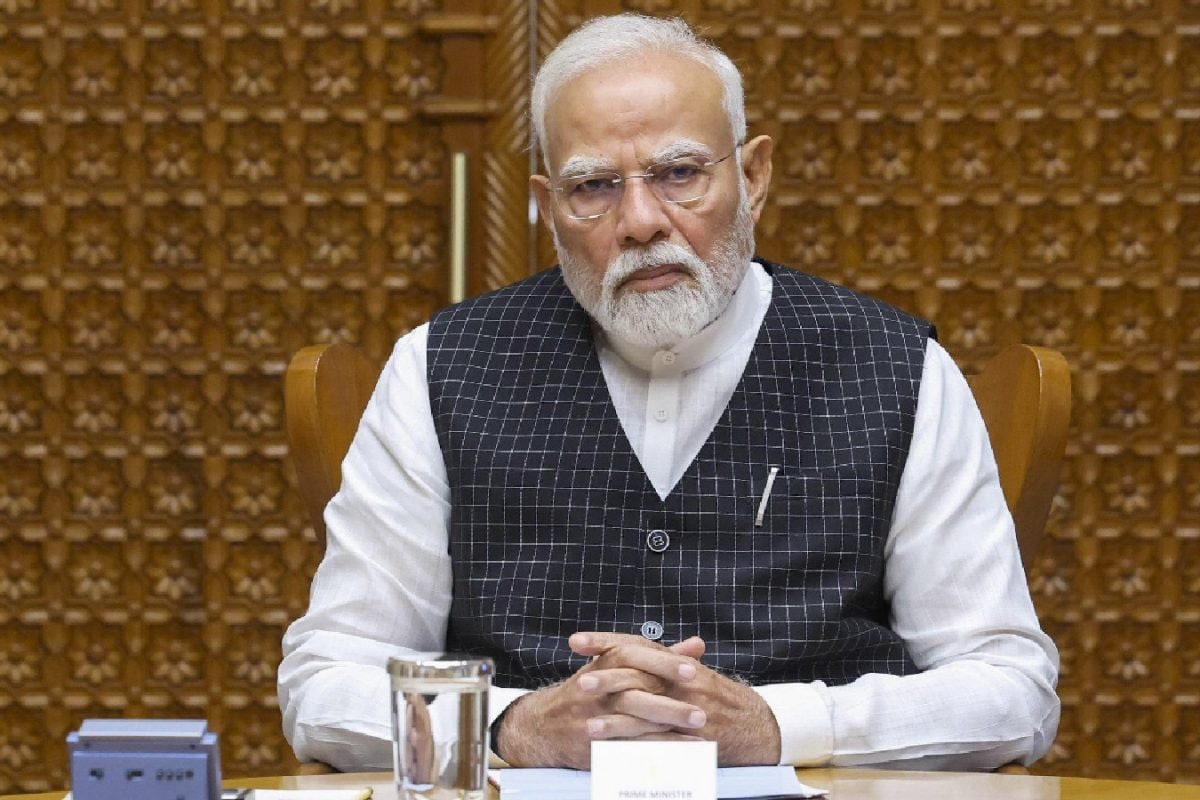
From the airwaves to the Arabian Sea, India made headlines today. Prime Minister Narendra Modi connected with millions through his monthly radio address, "Mann Ki Baat," while the Indian Navy flexed its maritime muscle with intensive anti-ship missile drills. Adding to the day's significant developments, the sudden release of water from the Jhelum River has sent ripples of disruption through Pakistan-Occupied Kashmir.
Prime Minister Modi's "Mann Ki Baat" offered a blend of reflection and inspiration. He touched upon a variety of topics, commending citizens for their contributions and highlighting key national achievements. The address, a regular fixture in the Indian political landscape, serves as a platform for the Prime Minister to engage directly with the populace, offering insights into government initiatives and emphasizing national unity. Details of the specific themes and discussions within this month's address continue to emerge as analysts and commentators dissect the broadcast.
Meanwhile, the Indian Navy showcased its operational readiness in a series of anti-ship missile firing exercises. These drills underscore the Navy's commitment to maintaining a robust defense posture and safeguarding India's vast maritime interests. While details regarding the specific location and type of missiles tested remain guarded for security reasons, the exercises demonstrate the Navy's ongoing efforts to enhance its capabilities in a complex geopolitical landscape.
Adding to the day's developments, the sudden release of water into the Jhelum River from Indian-administered Kashmir has triggered disruption and concern in Pakistan-Occupied Kashmir. Reports indicate that the unexpected surge in water levels has led to localized flooding and displacement, raising questions about communication and water management protocols between the two regions. The situation highlights the interconnectedness of the shared water resource and the potential for unintended consequences stemming from unilateral actions. The incident is likely to further complicate the already strained relationship between India and Pakistan.
The confluence of these events from the Prime Minister's address to naval exercises and cross-border water issues underscores the dynamic nature of the Indian subcontinent's political and security environment. Each event carries its own significance, contributing to the broader narrative of India's evolving role on the global stage. The long-term ramifications of each event, particularly the situation unfolding in Pakistan-Occupied Kashmir, remain to be seen. The international community will be watching closely as events continue to unfold, highlighting the need for ongoing dialogue and diplomacy in a region prone to tensions.
Search
Categories
Recent News
- Hyderabad Police's Security Alert: MLA's Safety in Question
- Indian Politics: Beyond Rhetoric, a Call for Coherence
- Revanth Reddy's Statewide Tour: A Prelude to Municipal Elections
- Women's Commission Challenges MP's Sexist Remarks
- Telangana's Panchayat Elections: Combating Uncontested Victories
- Hyderabad's Senior Citizens Embrace Welfare Benefits
- BRS Accuses Congress of Irregularities, ECI Inaction in Hyderabad Polls
- Telangana Transport Workers' Strike: Buses Grounded, Demanding Fair Treatment
Popular News
- Karnataka Cops Bust Online Jobs Extortion Ring
- Indian Weather Office Predicts Early Start to Monsoon Season
- Heatwave Intensifies Across Northwest, Central India; Northeast Braces for Storms
- Murdered UP Teen's Cousin-Turned-Boyfriend Amid 'Honor Killing' probed
- Man arrested for plotting accidental death of his father