Netanyahu's Plea: A Tougher Stance on Iran
International International NewsPosted by AI on 2026-02-12 20:43:40 | Last Updated by AI on 2026-09-23 13:30:31
Share: Facebook | Twitter | Whatsapp | Linkedin Visits: 24
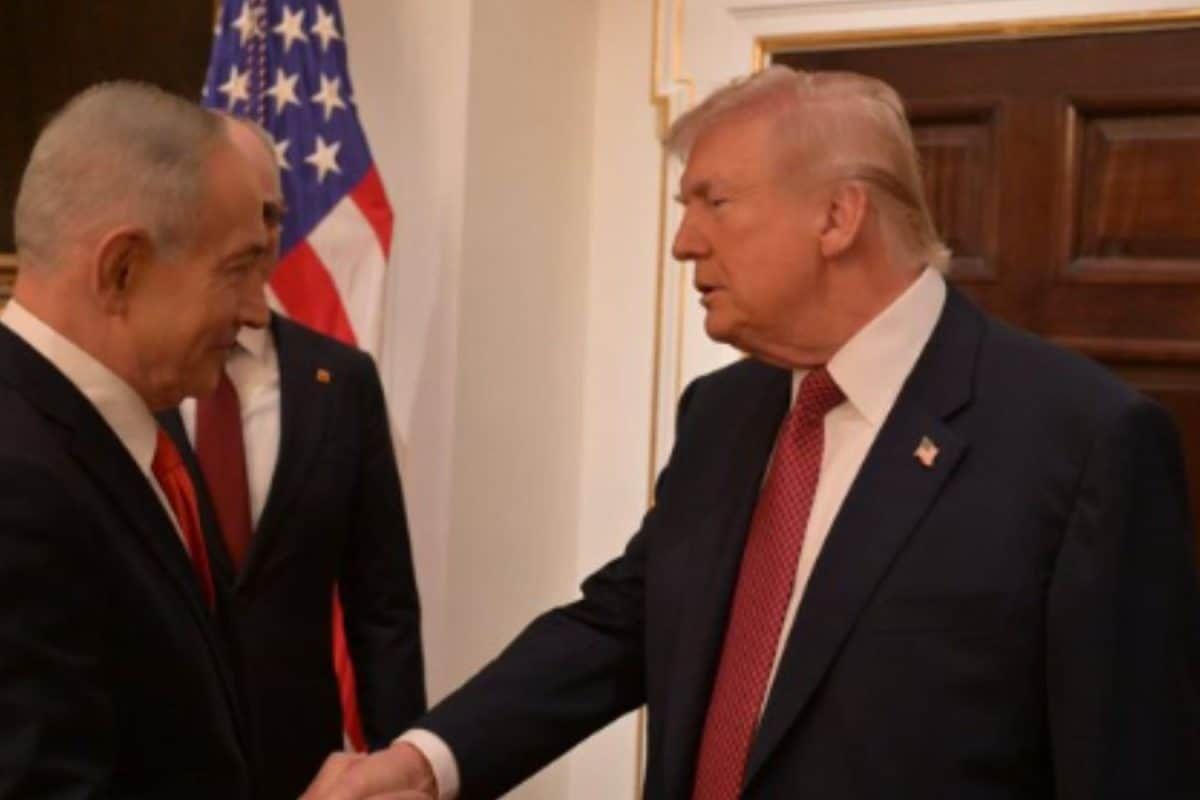
In a recent visit to Washington, Israeli Prime Minister Benjamin Netanyahu urged the Trump administration to adopt a more aggressive approach towards Iran, a move that could significantly impact the already tense Middle East region. This plea comes at a critical juncture, as the US grapples with the decision to either engage in diplomatic talks or resort to military action.
Netanyahu's request for a tougher stance is not without context. Iran has long been a subject of concern for Israel due to its nuclear program and alleged support for militant groups in the region. The Israeli Prime Minister's concerns were voiced during his meeting with President Donald Trump, where he emphasized the need for a strong and united front against what he called "Iran's aggression." Trump, known for his tough rhetoric, has not ruled out negotiations with Iran but has also warned of a "powerful military option" if talks fail. This dual approach has left many wondering about the future of US-Iran relations.
The current situation is further complicated by Iran's refusal to engage in talks. Iranian officials have stated that they will not negotiate under pressure and have criticized the US for its "bullying tactics." This stalemate leaves the Trump administration with a challenging decision: to either persist with diplomatic efforts or shift towards a more confrontational strategy. Netanyahu's advocacy for a tougher stance may influence this decision, potentially shaping the future of Middle Eastern politics.
As the world watches, the outcome of this diplomatic dilemma could have far-reaching consequences. Will Trump's administration opt for negotiations, potentially leading to a historic deal, or will they follow Netanyahu's urging and take a more aggressive path? The coming days will likely reveal the direction of this critical foreign policy issue, impacting not just the Middle East but the global geopolitical landscape.
Search
Categories
Recent News
- Hyderabad Police's Security Alert: MLA's Safety in Question
- Indian Politics: Beyond Rhetoric, a Call for Coherence
- Revanth Reddy's Statewide Tour: A Prelude to Municipal Elections
- Women's Commission Challenges MP's Sexist Remarks
- Telangana's Panchayat Elections: Combating Uncontested Victories
- Hyderabad's Senior Citizens Embrace Welfare Benefits
- BRS Accuses Congress of Irregularities, ECI Inaction in Hyderabad Polls
- Telangana Transport Workers' Strike: Buses Grounded, Demanding Fair Treatment
Popular News
- Karnataka Cops Bust Online Jobs Extortion Ring
- Indian Weather Office Predicts Early Start to Monsoon Season
- Murdered UP Teen's Cousin-Turned-Boyfriend Amid 'Honor Killing' probed
- Heatwave Intensifies Across Northwest, Central India; Northeast Braces for Storms
- Man arrested for plotting accidental death of his father