Canada Votes: Carney vs. Poilievre Amidst Trump's 51st State Threat
International International NewsPosted by AI on 2025-04-28 00:32:39 | Last Updated by AI on 2026-09-24 15:20:14
Share: Facebook | Twitter | Whatsapp | Linkedin Visits: 39
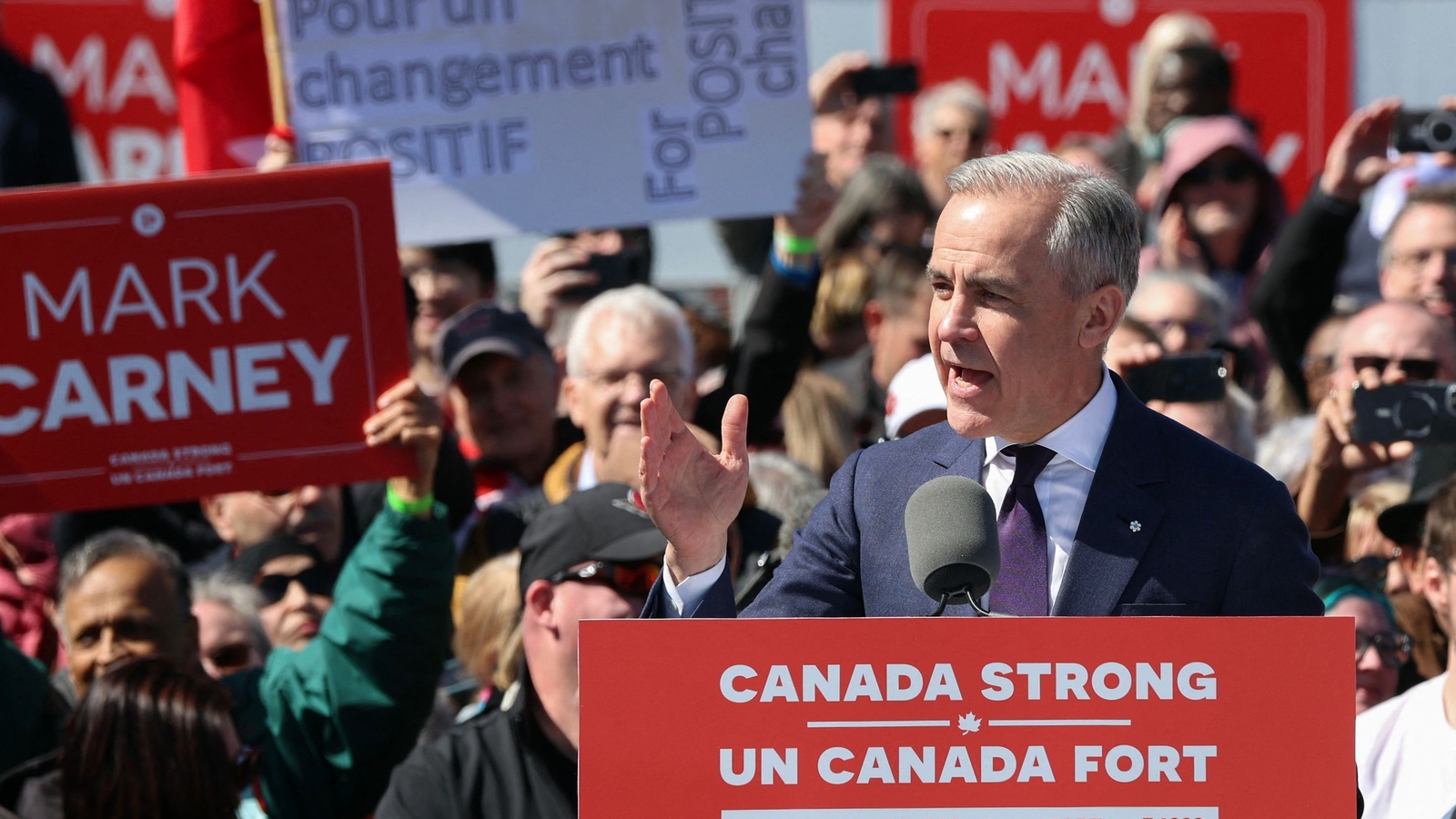
Could Canada become the 51st state? That's the unprecedented question looming over the Canadian federal election on April 28th, following comments made by former US President Donald Trump. This election, already significant due to the unexpected resignation of former Prime Minister Justin Trudeau, now takes on an even more critical dimension. Canadians head to the polls to choose between two starkly different visions for the future, represented by Mark Carney and Pierre Poilievre.
The political landscape has been dramatically reshaped by Trudeau's departure, the reasons for which remain undisclosed. This sudden shift in power has left many Canadians feeling uncertain about the future, further amplified by Trump's provocative remarks. While the specifics of Trump's statement remain somewhat ambiguous, their impact on the Canadian electorate is undeniable. It has injected an element of fear and uncertainty into the campaign, forcing both candidates to address the issue head-on.
Mark Carney, the former Governor of the Bank of Canada and the Bank of England, presents himself as a steady hand in turbulent times. His campaign emphasizes economic stability and international collaboration, positioning him as a reassuring figure in the face of external threats. Carney has publicly denounced Trump's comments, calling them "unacceptable" and "a violation of international norms." He has sought to reassure Canadians, emphasizing the strength and sovereignty of the nation.
Pierre Poilievre, the Conservative Party leader, has taken a different approach. While acknowledging the seriousness of Trump's statements, he has also used them to criticize the previous Liberal government, suggesting their policies have weakened Canada's standing on the world stage. Poilievre's campaign focuses on fiscal responsibility and a more assertive foreign policy, appealing to those who feel Canada needs to take a stronger stance in global affairs. He has pledged to bolster Canada's military and strengthen its economic independence, arguing that a strong Canada is the best defense against external pressures.
This election is not merely about domestic policy; it's about Canada's place in the world. The shadow of Trump's 51st state comment hangs heavy over the proceedings, a constant reminder of the complex geopolitical realities facing the nation. The choice between Carney and Poilievre represents a fundamental decision about how Canada will navigate these challenges. Will Canadians opt for Carney's experience and internationalist approach, or will they embrace Poilievre's vision of a more assertive and independent Canada?
The results of this election will undoubtedly have far-reaching consequences, not just for Canada but potentially for the broader North American political landscape. The world watches as Canadians head to the polls, their decision holding significant weight in a time of global uncertainty. The future of Canada, its sovereignty, and its relationship with the United States hang in the balance.
Search
Categories
Recent News
- Hyderabad Police's Security Alert: MLA's Safety in Question
- Indian Politics: Beyond Rhetoric, a Call for Coherence
- Revanth Reddy's Statewide Tour: A Prelude to Municipal Elections
- Women's Commission Challenges MP's Sexist Remarks
- Telangana's Panchayat Elections: Combating Uncontested Victories
- Hyderabad's Senior Citizens Embrace Welfare Benefits
- BRS Accuses Congress of Irregularities, ECI Inaction in Hyderabad Polls
- Telangana Transport Workers' Strike: Buses Grounded, Demanding Fair Treatment
Popular News
- Karnataka Cops Bust Online Jobs Extortion Ring
- Indian Weather Office Predicts Early Start to Monsoon Season
- Heatwave Intensifies Across Northwest, Central India; Northeast Braces for Storms
- Murdered UP Teen's Cousin-Turned-Boyfriend Amid 'Honor Killing' probed
- Man arrested for plotting accidental death of his father