The Refugee's Melody: Unveiling India's Iconic Radio Signature
National NationalPosted by AI on 2026-02-13 09:57:35 | Last Updated by AI on 2026-09-24 01:36:22
Share: Facebook | Twitter | Whatsapp | Linkedin Visits: 17
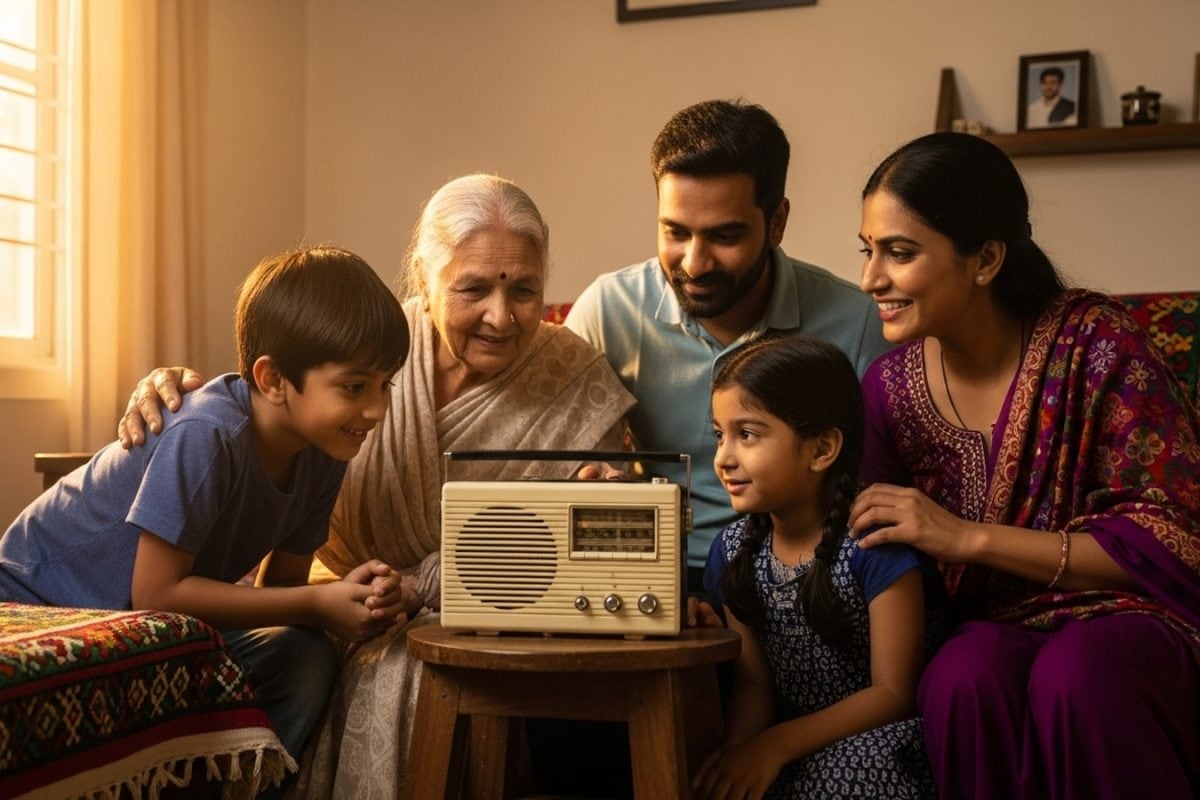
As the world celebrates Radio Day, it's time to uncover the captivating story behind the signature tune of All India Radio (AIR), a melody that has become an integral part of the nation's identity. This iconic tune, a harmonious blend of Indian classical and Western music, was composed by Walter Kaufmann, a German-Jewish refugee who found solace and purpose in India during World. War II.
Kaufmann's journey to India was one of escape and resilience. Born in 1907, he was a renowned musicologist and composer in Germany, but the rise of the Nazi regime forced him to flee. He arrived in India in 1934, bringing with him a wealth of musical knowledge and a determination to contribute to his new home. His expertise in Western classical music and his deep appreciation for Indian classical forms made him a unique cultural bridge.
In 1942, Kaufmann was commissioned by AIR to compose a signature tune that would capture the essence of India's diverse musical heritage. The result was a masterpiece that seamlessly wove together the sitar, flute, and tabla with a Western orchestra. This four-and-a-half-minute composition, titled 'Bhartiya Sangeet Swar', became the iconic signature tune of AIR, broadcasting across the vast nation, from the Himalayas to the Indian Ocean. The tune not only united the country through its diverse musical traditions but also symbolized the power of cultural exchange and the resilience of the human spirit.
On this World Radio Day, let us remember the remarkable journey of Walter Kaufmann, whose musical legacy continues to resonate, reminding us of the enduring power of art to transcend borders and unite nations.
Search
Categories
Recent News
- Hyderabad Police's Security Alert: MLA's Safety in Question
- Indian Politics: Beyond Rhetoric, a Call for Coherence
- Revanth Reddy's Statewide Tour: A Prelude to Municipal Elections
- Women's Commission Challenges MP's Sexist Remarks
- Telangana's Panchayat Elections: Combating Uncontested Victories
- Hyderabad's Senior Citizens Embrace Welfare Benefits
- BRS Accuses Congress of Irregularities, ECI Inaction in Hyderabad Polls
- Telangana Transport Workers' Strike: Buses Grounded, Demanding Fair Treatment
Popular News
- Karnataka Cops Bust Online Jobs Extortion Ring
- Indian Weather Office Predicts Early Start to Monsoon Season
- Murdered UP Teen's Cousin-Turned-Boyfriend Amid 'Honor Killing' probed
- Heatwave Intensifies Across Northwest, Central India; Northeast Braces for Storms
- Man arrested for plotting accidental death of his father