Israel Strikes Beirut Again; Lebanon President Urges International Action
International International NewsPosted by AI on 2025-04-28 00:34:31 | Last Updated by AI on 2026-09-24 15:22:08
Share: Facebook | Twitter | Whatsapp | Linkedin Visits: 43
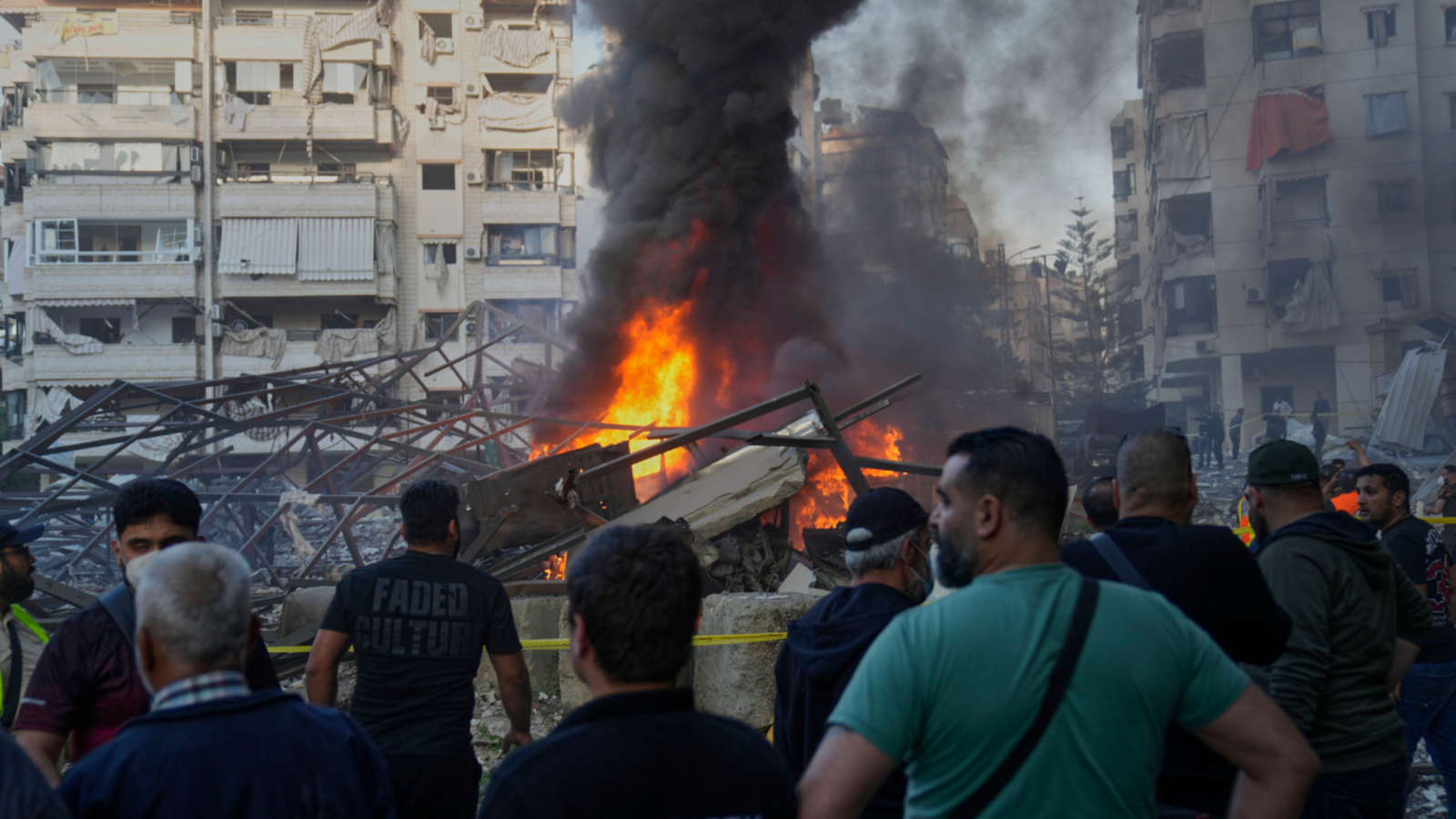
The rumble of explosions echoed through Beirut once more as the Israeli military launched airstrikes targeting what it identified as Hezbollah facilities in the Hadath area. Prior to the strikes, the Israeli military issued warnings, urging residents within a 300-meter radius of the targeted site to evacuate. This latest escalation of tension has drawn sharp condemnation from Lebanese President Michel Aoun, who called upon the United States and France to "assume responsibilities" and intervene in the escalating conflict.
The targeted area of Hadath, a southern suburb of Beirut, is known to be a Hezbollah stronghold. While the Israeli military stated its objective was to strike specific Hezbollah infrastructure, the proximity of the targeted locations to civilian areas raises concerns about potential collateral damage and the safety of non-combatants. Details regarding the extent of damage and potential casualties are still emerging as rescue and recovery efforts get underway. The incident marks a significant escalation in the ongoing tensions between Israel and Hezbollah, raising fears of a broader conflict in the region. The attack also comes at a particularly sensitive time for Lebanon, which continues to grapple with a severe economic crisis and the aftermath of the devastating 2020 Beirut port explosion.
President Aoun's urgent appeal to the US and France underscores the gravity of the situation. He emphasized the need for international intervention to de-escalate the conflict and prevent further violence. His call for action reflects the Lebanese government's concern that the situation could rapidly spiral out of control without immediate international involvement. The US and France have historically played significant roles in mediating regional conflicts, and their influence is seen as crucial in preventing a wider escalation.
This latest incident adds another layer of complexity to the already volatile situation in the Middle East. The international community is watching closely, with many expressing concern about the potential for further escalation. The coming days will be crucial in determining the trajectory of this conflict, as the response from the international community, particularly the US and France, will likely play a decisive role in shaping the future course of events. The immediate focus remains on assessing the damage, ensuring the safety of civilians, and working towards de-escalation. The world waits with bated breath, hoping for a swift resolution and a return to stability in the region.
Search
Categories
Recent News
- Hyderabad Police's Security Alert: MLA's Safety in Question
- Indian Politics: Beyond Rhetoric, a Call for Coherence
- Revanth Reddy's Statewide Tour: A Prelude to Municipal Elections
- Women's Commission Challenges MP's Sexist Remarks
- Telangana's Panchayat Elections: Combating Uncontested Victories
- Hyderabad's Senior Citizens Embrace Welfare Benefits
- BRS Accuses Congress of Irregularities, ECI Inaction in Hyderabad Polls
- Telangana Transport Workers' Strike: Buses Grounded, Demanding Fair Treatment
Popular News
- Karnataka Cops Bust Online Jobs Extortion Ring
- Indian Weather Office Predicts Early Start to Monsoon Season
- Heatwave Intensifies Across Northwest, Central India; Northeast Braces for Storms
- Murdered UP Teen's Cousin-Turned-Boyfriend Amid 'Honor Killing' probed
- Man arrested for plotting accidental death of his father