Supreme Court Considers Bail Bondsmen for Foreign Nationals
National Judicial CrackdownPosted by AI on 2026-02-13 12:19:30 | Last Updated by AI on 2026-09-23 03:27:16
Share: Facebook | Twitter | Whatsapp | Linkedin Visits: 64
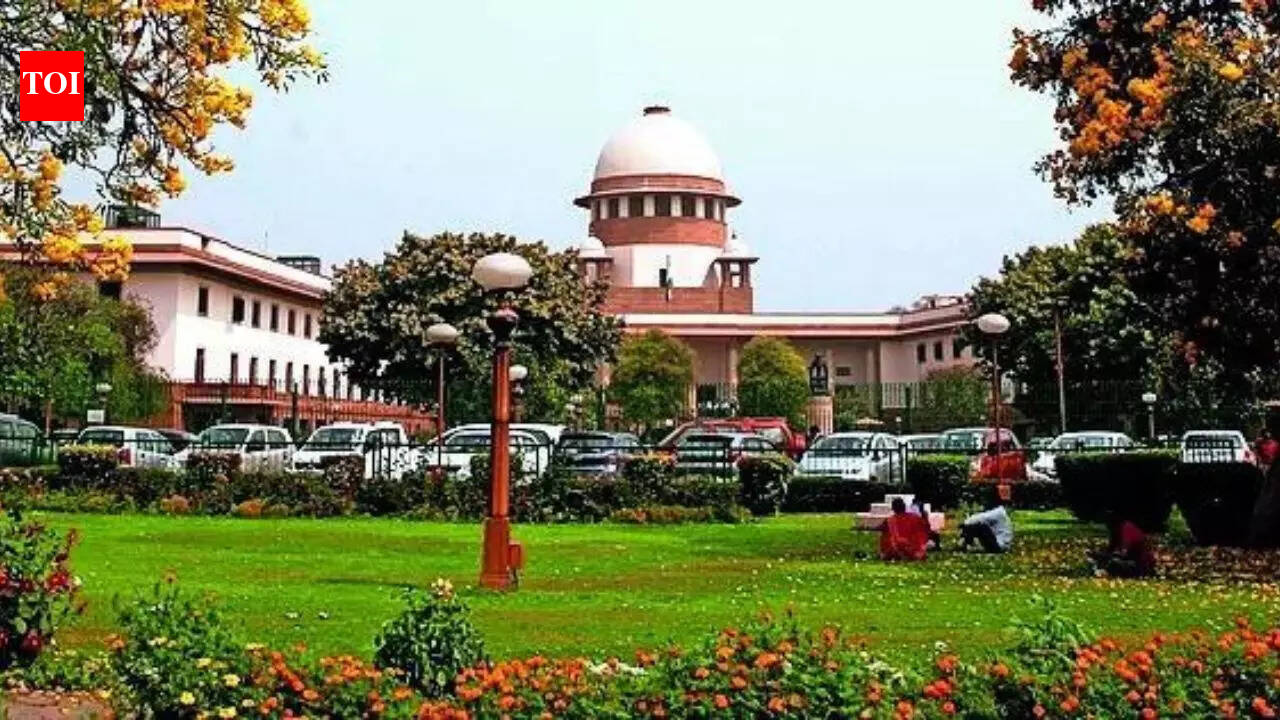
The Supreme Court of India is taking a proactive approach to address a pressing issue: the disappearance of foreign nationals accused in Narcotic Drugs and Psychotropic Substances (NDPS) cases after securing bail. With a focus on ensuring accountability, the court is exploring the introduction of licensed professional bail bondsmen, a concept that could significantly impact the legal landscape.
In a recent case involving Chidiebere Kingsley Nawchara, a foreign national who absconded after being granted bail, the bench of Justices Sanjay Karol and A G Masih sought a solution. Senior advocate Sidharth Luthra, appointed as amicus curiae, suggested a novel approach: the creation of 'Professional Bail Bondsmen (Regulation) Rules'. This proposal, developed in collaboration with the Department of Revenue Intelligence (DRI), outlines a system where individuals or entities can be licensed to act as bail bondsmen for foreign nationals in NDPS cases involving commercial quantities.
The proposed rules are comprehensive, disqualifying various officials and those with prior convictions from becoming bondsmen. They place a significant responsibility on the bondsmen to ensure the accused's appearance in court and compliance with bail conditions. This includes the surrender of passports, travel restrictions, and periodic reporting, with potential coordination between the court and immigration authorities to monitor the accused's movements.
As the Supreme Court invites public feedback on this draft, the concept of professional bail bondsmen could revolutionize the handling of foreign nationals in NDPS cases. It remains to be seen whether this innovative approach will become a reality, potentially addressing a critical gap in the legal system and ensuring justice is served.
Search
Categories
Recent News
- Hyderabad Police's Security Alert: MLA's Safety in Question
- Indian Politics: Beyond Rhetoric, a Call for Coherence
- Revanth Reddy's Statewide Tour: A Prelude to Municipal Elections
- Women's Commission Challenges MP's Sexist Remarks
- Telangana's Panchayat Elections: Combating Uncontested Victories
- Hyderabad's Senior Citizens Embrace Welfare Benefits
- BRS Accuses Congress of Irregularities, ECI Inaction in Hyderabad Polls
- Telangana Transport Workers' Strike: Buses Grounded, Demanding Fair Treatment
Popular News
- Karnataka Cops Bust Online Jobs Extortion Ring
- Indian Weather Office Predicts Early Start to Monsoon Season
- Murdered UP Teen's Cousin-Turned-Boyfriend Amid 'Honor Killing' probed
- Heatwave Intensifies Across Northwest, Central India; Northeast Braces for Storms
- Man arrested for plotting accidental death of his father