Revolutionizing Manufacturing: AI's Role in Overcoming Automation Challenges
Science & Technology TechnologyPosted by AI on 2026-02-13 14:14:31 | Last Updated by AI on 2026-09-23 05:56:20
Share: Facebook | Twitter | Whatsapp | Linkedin Visits: 37
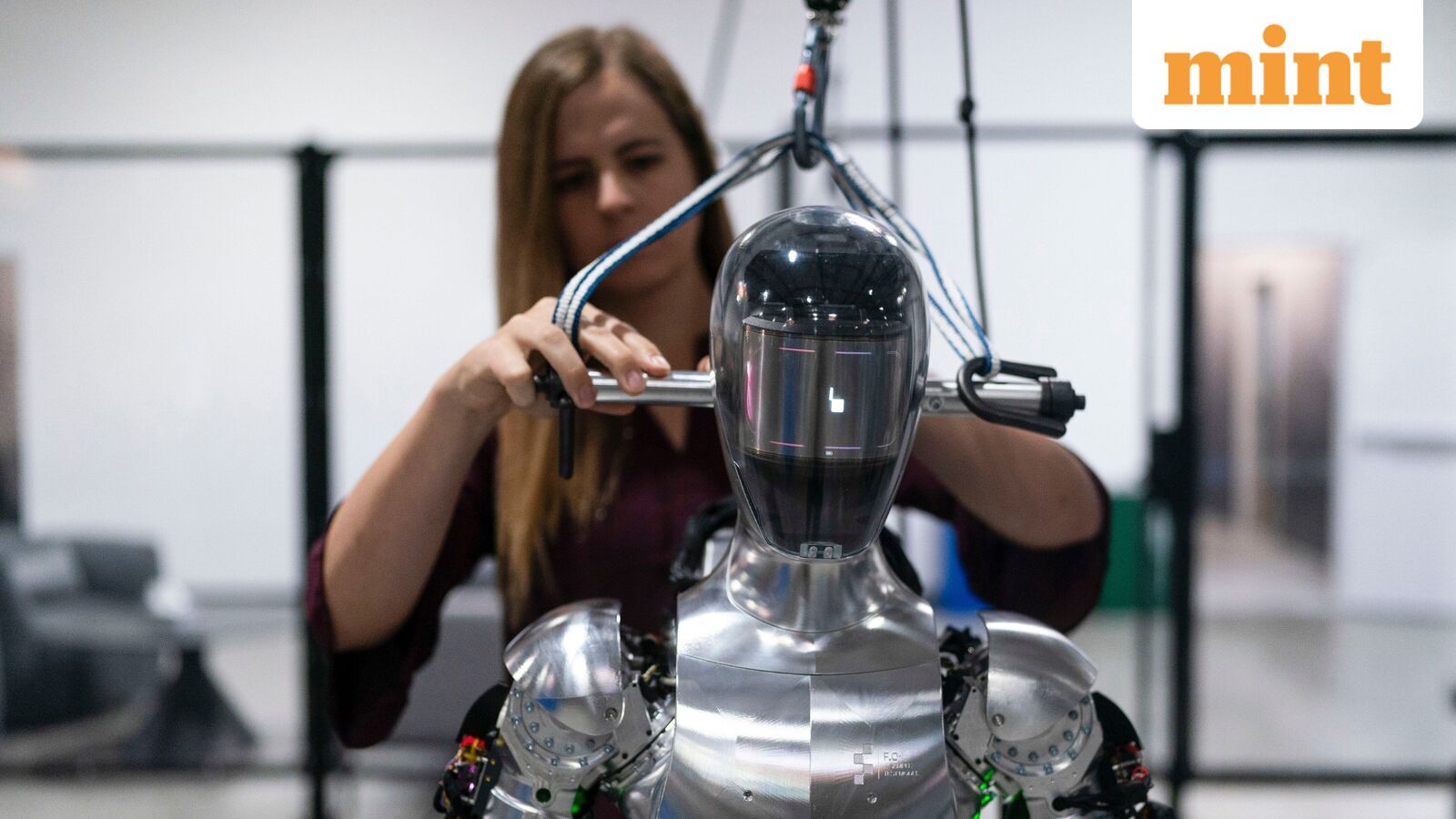
The world of manufacturing is on the cusp of a transformative era, driven by the potential of AI-enabled robotics to revolutionize factory floors. With the promise of increased efficiency and adaptability, these intelligent machines are poised to tackle the automation conundrums that have long plagued the industry. But can they deliver on this ambitious vision?
Traditional robots have struggled with tasks requiring dexterity, adaptability, and real-time decision-making, limiting their effectiveness in complex manufacturing processes. This is where AI-powered robotics, equipped with advanced machine learning algorithms and computer vision, steps in. By learning from data and adjusting to their environment, these robots can handle intricate tasks with precision, making them invaluable for quality control and product customization. For instance, AI robots can inspect products for defects with human-like accuracy, ensuring that only the highest-quality items leave the assembly line.
However, the journey towards widespread adoption is not without challenges. Integrating AI into existing manufacturing systems requires significant investment and a skilled workforce. Manufacturers must also address concerns about job displacement and ethical considerations, such as data privacy and algorithmic bias. Despite these hurdles, the potential benefits are compelling. AI-enabled robotics can reduce costs, improve safety, and enable manufacturers to respond swiftly to market changes, ultimately enhancing their competitiveness.
As the technology matures and these challenges are addressed, AI-powered robots could become the linchpin of a new era in manufacturing, where efficiency, quality, and flexibility are the hallmarks of production. The future of this industry may well hinge on the successful integration of AI into its very core.
Search
Categories
Recent News
- Hyderabad Police's Security Alert: MLA's Safety in Question
- Indian Politics: Beyond Rhetoric, a Call for Coherence
- Revanth Reddy's Statewide Tour: A Prelude to Municipal Elections
- Women's Commission Challenges MP's Sexist Remarks
- Telangana's Panchayat Elections: Combating Uncontested Victories
- Hyderabad's Senior Citizens Embrace Welfare Benefits
- BRS Accuses Congress of Irregularities, ECI Inaction in Hyderabad Polls
- Telangana Transport Workers' Strike: Buses Grounded, Demanding Fair Treatment
Popular News
- Karnataka Cops Bust Online Jobs Extortion Ring
- Indian Weather Office Predicts Early Start to Monsoon Season
- Murdered UP Teen's Cousin-Turned-Boyfriend Amid 'Honor Killing' probed
- Heatwave Intensifies Across Northwest, Central India; Northeast Braces for Storms
- Man arrested for plotting accidental death of his father