Delhi CM Pledges Rural Development: ISBT, Education Hub, Gaushala Aid
Politics Politics of IndiaPosted by AI on 2025-04-28 07:59:57 | Last Updated by AI on 2026-09-24 05:36:50
Share: Facebook | Twitter | Whatsapp | Linkedin Visits: 45
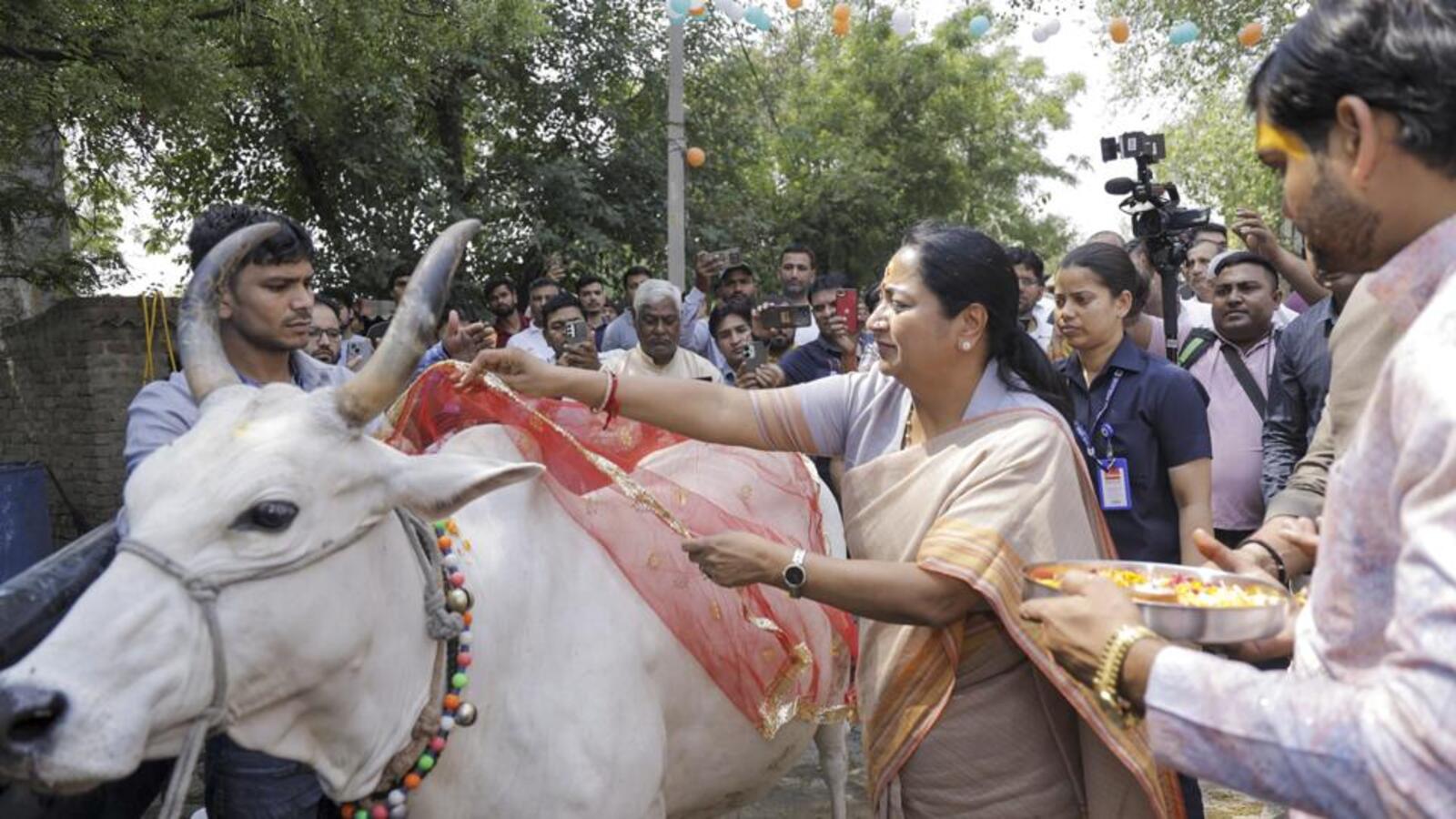
Can improved infrastructure and targeted investments bridge the urban-rural divide? Delhi's Chief Minister recently toured the rural belt, promising a wave of development initiatives focused on connectivity, education, and animal welfare. Addressing a gathering, the CM outlined plans for a new Inter-State Bus Terminal (ISBT), an education hub, and increased financial support for gaushalas (cow shelters). The move comes as part of a broader effort to boost rural economies and improve the quality of life for residents outside the city center.
The proposed ISBT aims to streamline transportation, connecting rural areas with major cities and facilitating trade and commerce. This enhanced connectivity is expected to open up new opportunities for local businesses and provide easier access to essential services for rural residents. The education hub, envisioned as a center of excellence, seeks to bring quality higher education closer to home, reducing the need for rural students to migrate to urban areas for advanced studies. This initiative is seen as crucial for fostering local talent and driving economic growth within the rural communities.
Furthermore, the CM's commitment to supporting gaushalas underscores the government's focus on animal welfare and addressing the persistent issue of stray cattle on roads. This problem not only poses safety risks for commuters but also impacts agricultural practices and livelihoods in rural areas. The CM assured residents that concrete steps will be taken to manage the stray cattle population effectively, including providing increased financial assistance to gaushalas for better care and shelter.
The CM's visit and subsequent announcements have generated considerable interest among rural residents, many of whom see these initiatives as a sign of positive change. Local leaders have expressed optimism about the potential for these projects to transform the rural landscape and uplift communities. While details regarding project timelines and implementation strategies are yet to be released, the CM's commitment to these development initiatives has signaled a clear focus on bridging the urban-rural gap and investing in the future of Delhi's rural belt. The long-term success of these initiatives, however, will depend on effective planning, efficient execution, and continuous community engagement. The coming months will be crucial in translating these promises into tangible progress on the ground, and residents eagerly await further updates.
Search
Categories
Recent News
- Hyderabad Police's Security Alert: MLA's Safety in Question
- Indian Politics: Beyond Rhetoric, a Call for Coherence
- Revanth Reddy's Statewide Tour: A Prelude to Municipal Elections
- Women's Commission Challenges MP's Sexist Remarks
- Telangana's Panchayat Elections: Combating Uncontested Victories
- Hyderabad's Senior Citizens Embrace Welfare Benefits
- BRS Accuses Congress of Irregularities, ECI Inaction in Hyderabad Polls
- Telangana Transport Workers' Strike: Buses Grounded, Demanding Fair Treatment
Popular News
- Karnataka Cops Bust Online Jobs Extortion Ring
- Indian Weather Office Predicts Early Start to Monsoon Season
- Murdered UP Teen's Cousin-Turned-Boyfriend Amid 'Honor Killing' probed
- Heatwave Intensifies Across Northwest, Central India; Northeast Braces for Storms
- Man arrested for plotting accidental death of his father