UP Deputy CM Lauds Brahmins' Nation-Building Role
Politics Politics of IndiaPosted by AI on 2025-04-28 08:03:53 | Last Updated by AI on 2026-09-24 05:36:38
Share: Facebook | Twitter | Whatsapp | Linkedin Visits: 43
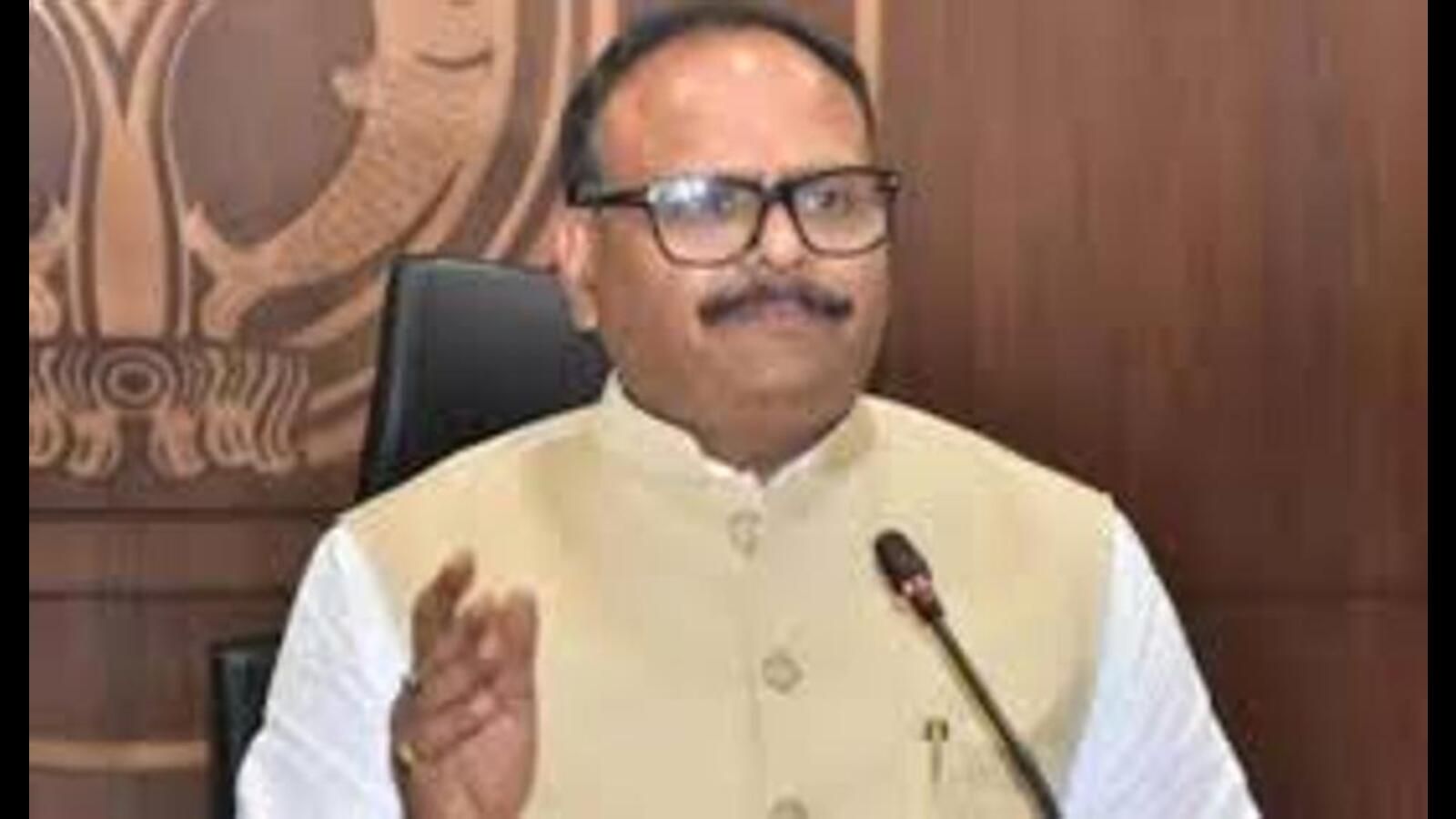
"Who laid the foundations of ancient India's governance and intellectual pursuits?" This question, implicitly posed by Uttar Pradesh Deputy Chief Minister Brajesh Pathak, underscored his recent address highlighting the contributions of Brahmins to India's development. Speaking at an event, Pathak emphasized the pivotal role played by this community, invoking the legacies of figures like Chanakya, Aryabhata, Kautilya, and Rishi Dadhichi.
Pathak's address delved into the historical significance of these figures. Chanakya, also known as Kautilya or Vishnugupta, a renowned scholar and advisor, is credited with shaping the Mauryan Empire's political landscape with his treatise, the Arthashastra. This ancient text, a comprehensive guide to statecraft, economics, and military strategy, continues to be studied for its insights into governance. Aryabhata, a pioneering mathematician and astronomer of the 5th century, revolutionized our understanding of the cosmos with his groundbreaking work on the heliocentric model of the solar system and the concept of zero. Pathak highlighted these contributions as cornerstones of India's intellectual heritage. He also spoke of Rishi Dadhichi, a revered sage in Hindu mythology, known for his supreme sacrifice. According to legend, Dadhichi gave up his bones to the gods, who used them to fashion the Vajrayudha, a divine weapon, to vanquish the forces of evil. Pathak used this narrative to illustrate the community's dedication to the greater good.
The Deputy Chief Minister's statements come amidst ongoing discussions about the representation and recognition of various communities in India's historical narrative. His emphasis on the Brahmin community's contributions is likely to resonate with specific segments of the population while potentially sparking debate and discussion about a more inclusive representation of all communities who have played a role in shaping the nation. The impact of these statements on the broader political and social landscape remains to be seen. However, they undoubtedly contribute to the ongoing discourse surrounding identity and historical legacy within the country.
The Deputy Chief Minister's focus on these prominent figures serves as a reminder of the diverse contributions that have shaped India's rich tapestry. It underscores the importance of acknowledging the historical roles played by various communities in the nation's development and progress. While the specific focus on one community may generate further discussion, it ultimately highlights the need for a comprehensive understanding of India's multifaceted history.
Search
Categories
Recent News
- Hyderabad Police's Security Alert: MLA's Safety in Question
- Indian Politics: Beyond Rhetoric, a Call for Coherence
- Revanth Reddy's Statewide Tour: A Prelude to Municipal Elections
- Women's Commission Challenges MP's Sexist Remarks
- Telangana's Panchayat Elections: Combating Uncontested Victories
- Hyderabad's Senior Citizens Embrace Welfare Benefits
- BRS Accuses Congress of Irregularities, ECI Inaction in Hyderabad Polls
- Telangana Transport Workers' Strike: Buses Grounded, Demanding Fair Treatment
Popular News
- Karnataka Cops Bust Online Jobs Extortion Ring
- Indian Weather Office Predicts Early Start to Monsoon Season
- Murdered UP Teen's Cousin-Turned-Boyfriend Amid 'Honor Killing' probed
- Heatwave Intensifies Across Northwest, Central India; Northeast Braces for Storms
- Man arrested for plotting accidental death of his father