Navalny's Death: A Toxic Legacy and International Accusations
International International NewsPosted by AI on 2026-02-14 15:31:55 | Last Updated by AI on 2026-09-23 10:24:40
Share: Facebook | Twitter | Whatsapp | Linkedin Visits: 28
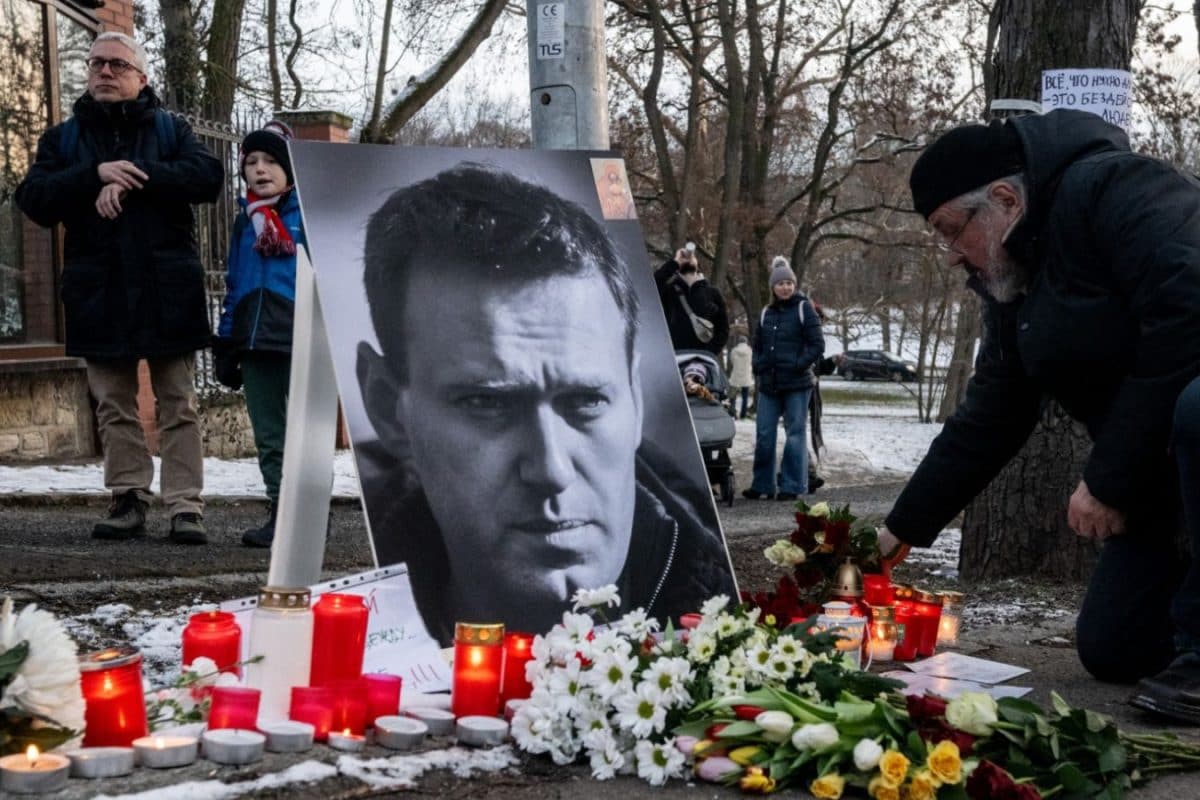
The world is reeling from the shocking revelation surrounding the death of Russian opposition leader Alexei Navalny. In a chilling development, five countries, including the UK, have pointed fingers at Russia, accusing it of orchestrating Navalny's demise using a deadly poison. This accusation comes on the heels of a statement from Navalny's widow, Yulia Navalnaya, who declared that her husband's passing in an Arctic prison in 2024 was a deliberate act of murder, now scientifically proven.
Navalny, a prominent critic of the Kremlin, had been serving a nine-year sentence in a penal colony in the Arctic region. His death has sparked international outrage and renewed scrutiny of Russia's human rights record. The five nations, in a joint statement, cited evidence of the use of a rare and lethal poison, known as 'dart frog toxin', in Navalny's case. This toxin, derived from the skin of certain dart frogs, is a potent neurotoxin capable of causing paralysis and death. The statement further emphasized that the toxin's presence in Navalny's body could not be explained by natural causes, strongly implying foul play.
The international community's response has been swift and unified. The UK, along with the four other countries, has called for an independent investigation into Navalny's death, urging Russia to cooperate fully. This incident has once again brought Russia's treatment of political dissidents to the forefront of global attention. As the world watches, the demand for a thorough inquiry grows, leaving Russia under pressure to address these grave allegations.
With Navalny's death now a focal point of international scrutiny, the coming days will likely see increased diplomatic activity and a renewed focus on human rights advocacy. The legacy of this tragic event may yet shape the future of Russia's relations with the international community.
Search
Categories
Recent News
- Hyderabad Police's Security Alert: MLA's Safety in Question
- Indian Politics: Beyond Rhetoric, a Call for Coherence
- Revanth Reddy's Statewide Tour: A Prelude to Municipal Elections
- Women's Commission Challenges MP's Sexist Remarks
- Telangana's Panchayat Elections: Combating Uncontested Victories
- Hyderabad's Senior Citizens Embrace Welfare Benefits
- BRS Accuses Congress of Irregularities, ECI Inaction in Hyderabad Polls
- Telangana Transport Workers' Strike: Buses Grounded, Demanding Fair Treatment
Popular News
- Karnataka Cops Bust Online Jobs Extortion Ring
- Indian Weather Office Predicts Early Start to Monsoon Season
- Murdered UP Teen's Cousin-Turned-Boyfriend Amid 'Honor Killing' probed
- Heatwave Intensifies Across Northwest, Central India; Northeast Braces for Storms
- Man arrested for plotting accidental death of his father