China's Diplomatic Overture: Seeking Cooperation, Avoiding Conflict
International International NewsPosted by AI on 2026-02-14 17:14:23 | Last Updated by AI on 2026-09-23 09:38:35
Share: Facebook | Twitter | Whatsapp | Linkedin Visits: 27
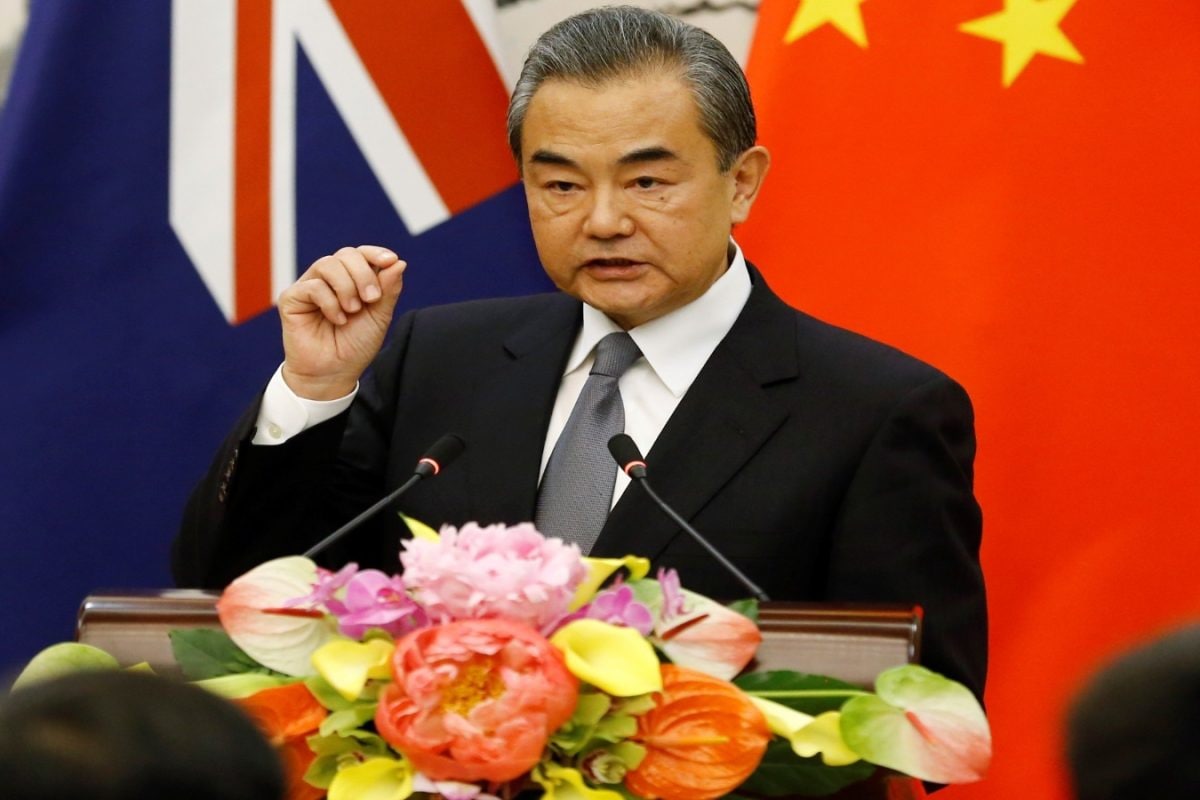
In a significant diplomatic move, China's Foreign Minister Wang Yi has extended an olive branch to the United States, urging cooperation and mutual respect. Speaking at the Munich Security Conference, Wang's message was clear: the two global powers must work together to address shared challenges.
The minister's remarks come at a time when US-China relations have been strained by geopolitical tensions, trade disputes, and technological rivalries. However, Wang's speech signaled a shift in tone, emphasizing the importance of dialogue and cooperation. He noted that the two countries have "different social systems, development paths, and historical cultures," but this should not prevent them from finding common ground. Wang's call for cooperation was accompanied by a warning against decoupling, suggesting that such a move would be detrimental to both nations and the global economy. He urged the US to view China's development as an opportunity rather than a threat.
Furthermore, Wang Yi extended an invitation to Europe to play a more active role in facilitating peace talks between Russia and Ukraine. This proposal reflects China's desire to promote stability and peace in the region. By encouraging European involvement, China aims to leverage its diplomatic influence and foster a more balanced international order.
The minister's speech at Munich sets the stage for potential future negotiations and a possible thaw in US-China relations. As the world watches, the coming months will reveal whether these diplomatic overtures lead to substantive cooperation or if they remain a fleeting moment of goodwill in an increasingly complex geopolitical landscape. With global challenges demanding collective action, the international community awaits the outcome of this diplomatic initiative with bated breath.
Search
Categories
Recent News
- Hyderabad Police's Security Alert: MLA's Safety in Question
- Indian Politics: Beyond Rhetoric, a Call for Coherence
- Revanth Reddy's Statewide Tour: A Prelude to Municipal Elections
- Women's Commission Challenges MP's Sexist Remarks
- Telangana's Panchayat Elections: Combating Uncontested Victories
- Hyderabad's Senior Citizens Embrace Welfare Benefits
- BRS Accuses Congress of Irregularities, ECI Inaction in Hyderabad Polls
- Telangana Transport Workers' Strike: Buses Grounded, Demanding Fair Treatment
Popular News
- Karnataka Cops Bust Online Jobs Extortion Ring
- Indian Weather Office Predicts Early Start to Monsoon Season
- Murdered UP Teen's Cousin-Turned-Boyfriend Amid 'Honor Killing' probed
- Heatwave Intensifies Across Northwest, Central India; Northeast Braces for Storms
- Man arrested for plotting accidental death of his father