Political Firestorm Over Shivaji-Tipu Sultan Comparison
Politics Politics of IndiaPosted by AI on 2026-02-15 08:44:22 | Last Updated by AI on 2026-09-23 08:10:28
Share: Facebook | Twitter | Whatsapp | Linkedin Visits: 21
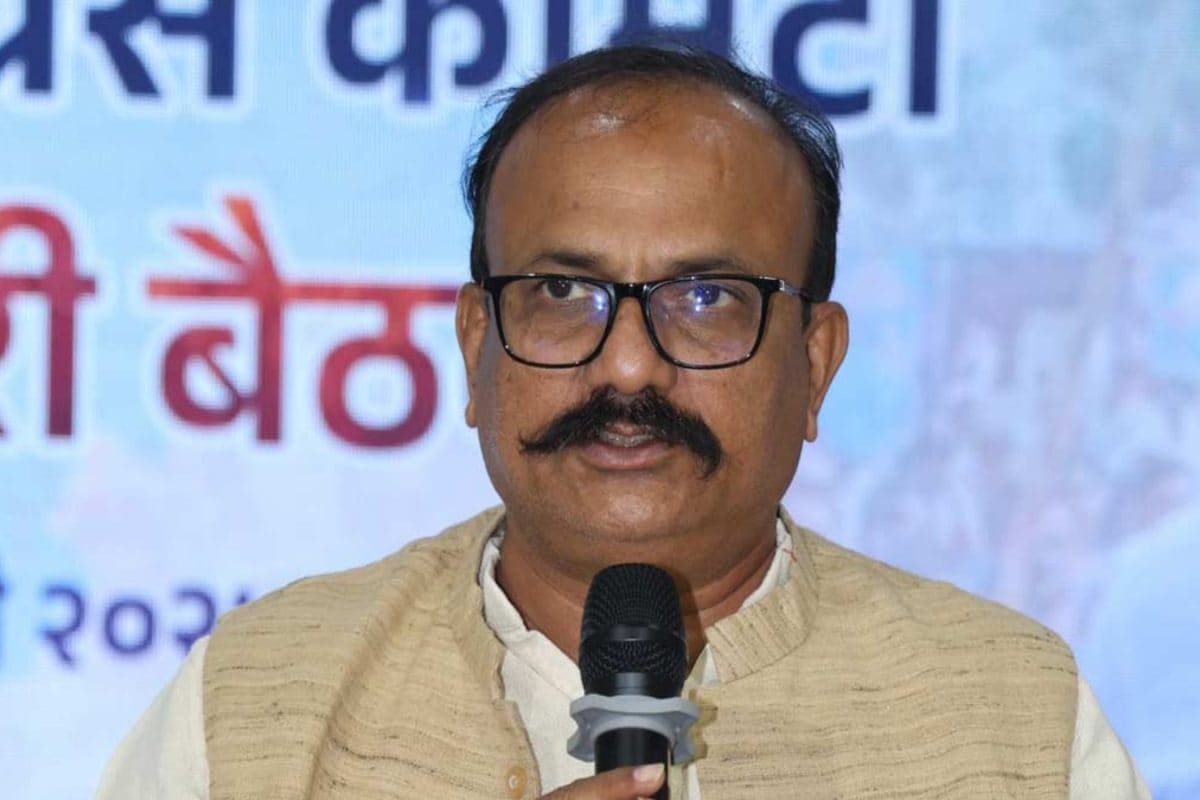
A bold statement by the Maharashtra Congress chief, Balasaheb Sapkal, has ignited a political firestorm in the state, sparking intense reactions and raising questions about historical narratives.
During a recent event, Sapkal praised Tipu Sultan, the 18th-century ruler of the Kingdom of Mysore, as a "symbol of bravery" and drew parallels between him and the revered Maratha warrior king, Shivaji. This comparison has stirred controversy, particularly among members of the Bharatiya Janata Party (BJP).
The BJP leaders in Ahilyanagar were quick to respond with outrage, offering a substantial reward of Rs 10 lakh for anyone willing to take drastic action against Sapkal's tongue, a shocking and extreme reaction to a political statement. This incident underscores the deep-rooted passions and sensitivities surrounding historical figures in Indian politics. Shivaji, a revered figure in Maharashtra's history, is often portrayed as a symbol of Maratha pride and valor. However, Tipu Sultan, known for his resistance against the British East India Company, has been a subject of historical debate, with varying perceptions across different regions and communities.
The controversy highlights the complex interplay between politics and history. As the debate unfolds, it remains to be seen whether this incident will lead to further dialogue or escalate tensions, potentially influencing political strategies and public discourse in the region. The incident serves as a reminder that historical narratives can be powerful tools in shaping public opinion and political agendas, often sparking intense emotions and reactions.
Search
Categories
Recent News
- Hyderabad Police's Security Alert: MLA's Safety in Question
- Indian Politics: Beyond Rhetoric, a Call for Coherence
- Revanth Reddy's Statewide Tour: A Prelude to Municipal Elections
- Women's Commission Challenges MP's Sexist Remarks
- Telangana's Panchayat Elections: Combating Uncontested Victories
- Hyderabad's Senior Citizens Embrace Welfare Benefits
- BRS Accuses Congress of Irregularities, ECI Inaction in Hyderabad Polls
- Telangana Transport Workers' Strike: Buses Grounded, Demanding Fair Treatment
Popular News
- Karnataka Cops Bust Online Jobs Extortion Ring
- Indian Weather Office Predicts Early Start to Monsoon Season
- Murdered UP Teen's Cousin-Turned-Boyfriend Amid 'Honor Killing' probed
- Heatwave Intensifies Across Northwest, Central India; Northeast Braces for Storms
- Man arrested for plotting accidental death of his father