BKI Terrorist Re-Arrested, Raising Security Concerns
National NationalPosted by AI on 2025-04-28 08:35:26 | Last Updated by AI on 2026-09-25 23:31:15
Share: Facebook | Twitter | Whatsapp | Linkedin Visits: 49
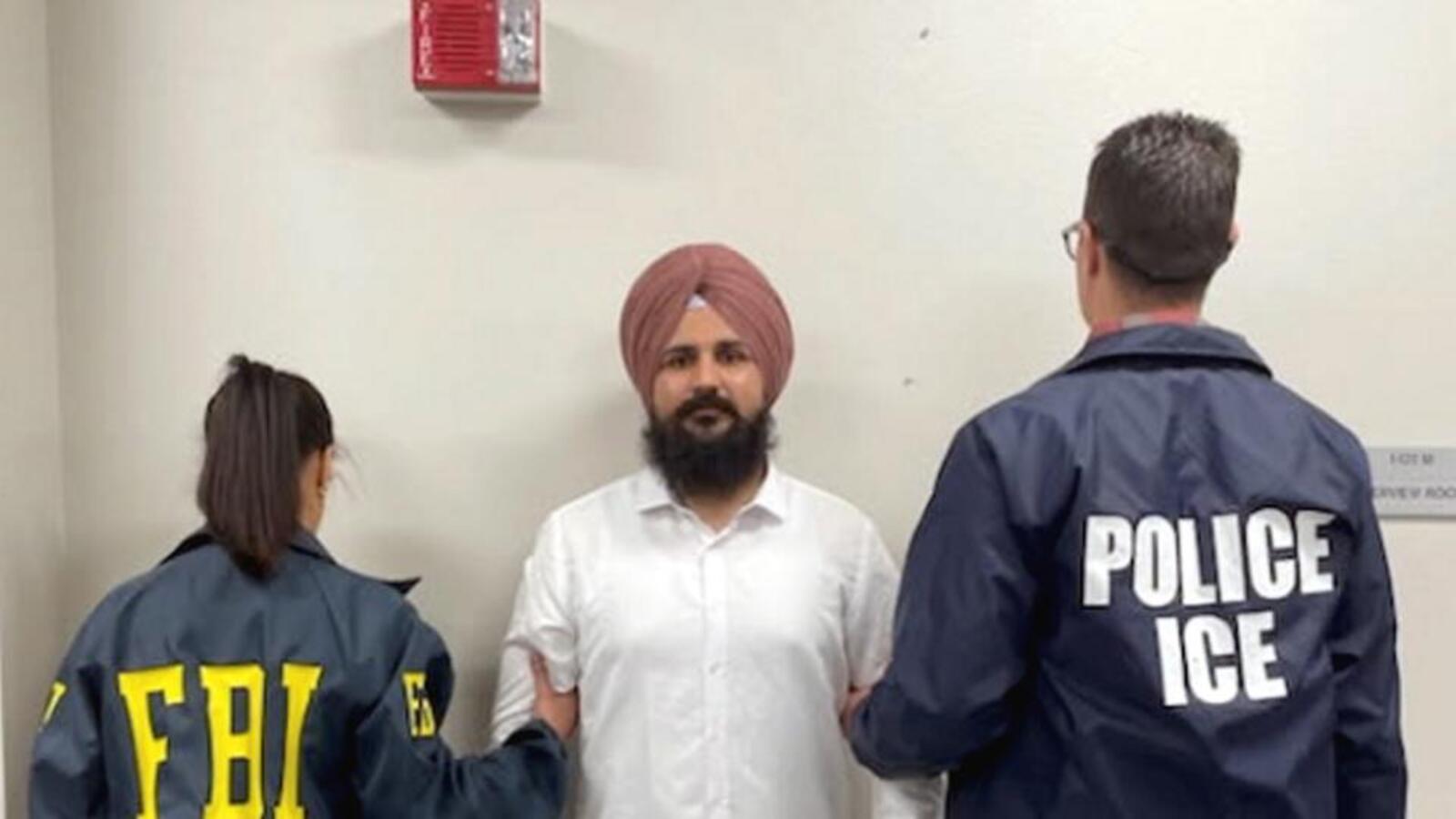
How does a known terrorist, once apprehended, end up back on the streets? This question hangs heavy in the air after the recent re-arrest of a member of the Babbar Khalsa International (BKI) terrorist outfit, identified as Passia. The US Immigration and Customs Enforcement (ICE) apprehended him on April 16, 2022, in Sacramento, California, sparking concerns about national security and the handling of known terrorist threats. The re-arrest raises serious questions about the circumstances of his previous release and what measures are being taken to prevent such incidents in the future.
Babbar Khalsa International, designated as a terrorist organization by several countries including India, Canada, the United Kingdom, and the United States, has a history of violent activities. Formed in 1981, the group seeks the creation of an independent Sikh state called Khalistan in India. They are known for bombings, assassinations, and other acts of terror aimed at destabilizing the Indian government. Passia's alleged affiliation with such an organization underscores the severity of the situation and the potential danger he posed while at large. The fact that he was previously apprehended and subsequently released by the Biden administration adds another layer of complexity to the story, prompting scrutiny of the decision-making process that led to his freedom.
Details surrounding Passia's initial arrest and subsequent release remain somewhat shrouded in mystery. What charges were initially brought against him? What criteria were used to justify his release? These are crucial questions that demand answers to fully understand the scope of the situation and to hold relevant agencies accountable. The re-arrest itself suggests a failure somewhere within the system, whether it be a lapse in judgment, a lack of inter-agency communication, or a deficiency in existing laws and procedures.
The incident highlights the ongoing challenges in balancing national security with individual liberties. While due process is a cornerstone of the American legal system, it is imperative that authorities effectively manage individuals deemed to pose a credible threat to public safety. This delicate balance requires a robust and transparent system that ensures dangerous individuals are not released back into society prematurely. The Passia case serves as a stark reminder of the potential consequences of such failures.
This case underscores the need for a thorough investigation into the circumstances surrounding Passia's release and subsequent re-arrest. It's vital to understand how and why this happened to prevent similar incidents in the future. The safety and security of the public depend on a rigorous and effective national security apparatus. The re-apprehension of Passia is not just an isolated incident; it's a wake-up call, demanding increased vigilance and a critical examination of the processes designed to protect us all.
Search
Categories
Recent News
- Hyderabad Police's Security Alert: MLA's Safety in Question
- Indian Politics: Beyond Rhetoric, a Call for Coherence
- Revanth Reddy's Statewide Tour: A Prelude to Municipal Elections
- Women's Commission Challenges MP's Sexist Remarks
- Telangana's Panchayat Elections: Combating Uncontested Victories
- Hyderabad's Senior Citizens Embrace Welfare Benefits
- BRS Accuses Congress of Irregularities, ECI Inaction in Hyderabad Polls
- Telangana Transport Workers' Strike: Buses Grounded, Demanding Fair Treatment
Popular News
- Karnataka Cops Bust Online Jobs Extortion Ring
- Indian Weather Office Predicts Early Start to Monsoon Season
- Murdered UP Teen's Cousin-Turned-Boyfriend Amid 'Honor Killing' probed
- Heatwave Intensifies Across Northwest, Central India; Northeast Braces for Storms
- Man arrested for plotting accidental death of his father