Rahul Gandhi Inaugurates 2 MW Solar Roof in Rae Bareli
Politics Politics of IndiaPosted by AI on 2025-04-29 22:10:51 | Last Updated by AI on 2026-09-24 06:38:09
Share: Facebook | Twitter | Whatsapp | Linkedin Visits: 35
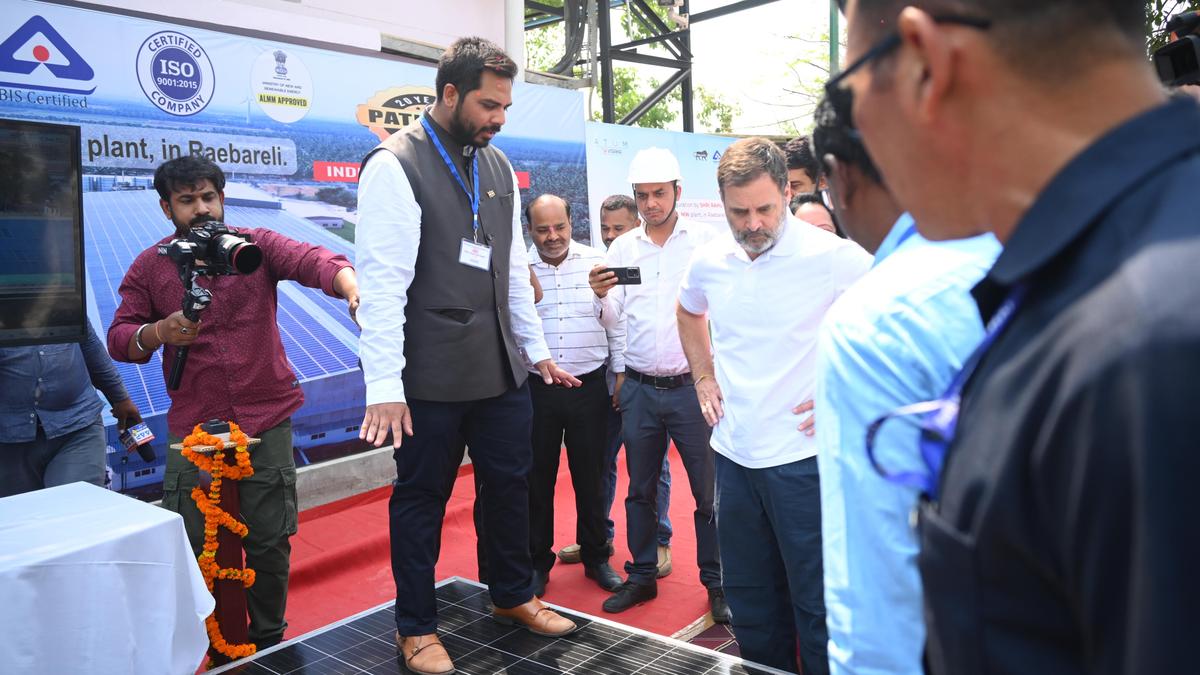
Harnessing the power of the sun, a significant step towards sustainable energy was taken in Rae Bareli, Uttar Pradesh. Rahul Gandhi, Member of Parliament, inaugurated a 2 MW integrated photovoltaic (PV) solar roof atop the Visaka Industries Limited plant. This impressive installation isn't just a feat of engineering; it represents a commitment to a greener future for the region.
The sprawling solar roof, spread across Visaka Industries' facility, is a testament to the growing adoption of renewable energy solutions in India. Visaka Industries, known for its innovative building materials, has now embraced solar power as a key component of its operations. This 2 MW system will significantly reduce the plant's reliance on conventional power sources, lessening its carbon footprint and contributing to a cleaner environment. The project showcases how industries can integrate sustainable practices into their core functions. The choice of Rae Bareli for this project holds significance, marking a visible investment in the region's infrastructure and development.
The inauguration event drew attention to the potential of solar energy in addressing India's energy needs. This project aligns with broader national goals of increasing renewable energy capacity and promoting sustainable development. By generating clean energy, the solar roof not only reduces the plant's operational costs but also contributes to the overall stability of the power grid. The initiative is expected to serve as a model for other industrial units in the region and across the country, encouraging wider adoption of solar energy solutions. The move also underscores the importance of public-private partnerships in driving the transition to a more sustainable energy landscape.
Beyond its immediate environmental and economic benefits, the project carries symbolic weight. It highlights the growing momentum behind the renewable energy movement in India and demonstrates the potential for decentralized power generation. The installation of this solar roof marks a step towards energy independence and security, reducing reliance on fossil fuels and promoting a cleaner, greener future for generations to come. The project stands as a tangible example of how sustainable practices can be integrated into industrial operations, paving the way for a more environmentally responsible and economically viable future. The initiative signifies not only a technological advancement but also a shift in mindset, emphasizing the importance of sustainable development and the role of businesses in contributing to a healthier planet.
The impact of this 2 MW solar roof extends beyond the confines of the Visaka plant. It serves as a beacon of progress, demonstrating the viability and potential of renewable energy in India. The project underscores the power of innovation and collaboration in creating a sustainable future, contributing to both economic growth and environmental protection. It signals a move towards a future where clean energy is not just an aspiration but a reality.
Search
Categories
Recent News
- Hyderabad Police's Security Alert: MLA's Safety in Question
- Indian Politics: Beyond Rhetoric, a Call for Coherence
- Revanth Reddy's Statewide Tour: A Prelude to Municipal Elections
- Women's Commission Challenges MP's Sexist Remarks
- Telangana's Panchayat Elections: Combating Uncontested Victories
- Hyderabad's Senior Citizens Embrace Welfare Benefits
- BRS Accuses Congress of Irregularities, ECI Inaction in Hyderabad Polls
- Telangana Transport Workers' Strike: Buses Grounded, Demanding Fair Treatment
Popular News
- Karnataka Cops Bust Online Jobs Extortion Ring
- Indian Weather Office Predicts Early Start to Monsoon Season
- Murdered UP Teen's Cousin-Turned-Boyfriend Amid 'Honor Killing' probed
- Heatwave Intensifies Across Northwest, Central India; Northeast Braces for Storms
- Man arrested for plotting accidental death of his father