Mumbai Temple Dispute: Supreme Court's Verdict on Occupied Land
National NationalPosted by AI on 2026-02-15 19:24:17 | Last Updated by AI on 2026-09-23 13:26:57
Share: Facebook | Twitter | Whatsapp | Linkedin Visits: 35
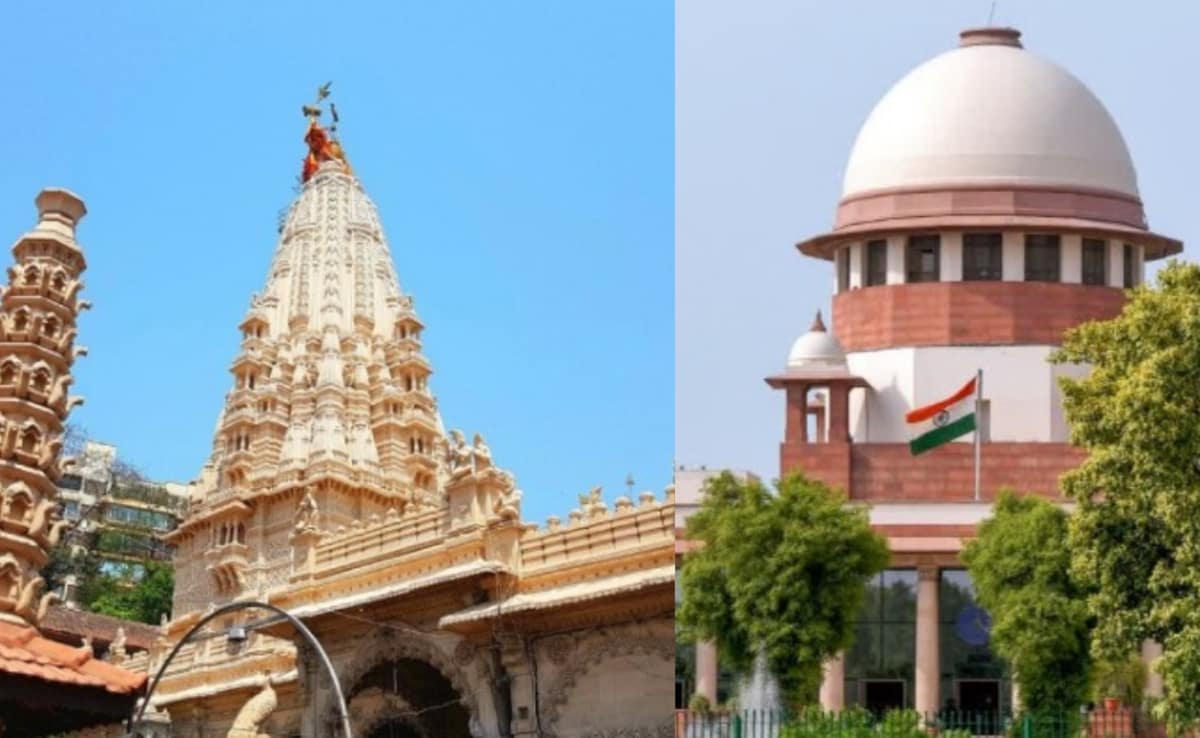
In a recent ruling, the Supreme Court of India has ordered a 70-year-old monk, Swami Bhoomanand Tirth, to vacate a portion of the renowned Babulnath Temple in Mumbai within a four-year timeframe. This decision upholds the previous Bombay High Court judgment, bringing an end to a long-standing legal battle over the temple's occupied premises.
The case revolves around a 2,000-square-foot area within the temple complex, which the monk has occupied for over two decades. The Babulnath Temple, an iconic landmark in Mumbai's religious landscape, has been at the center of this dispute, attracting attention from the city's residents and the media alike. The temple's management committee initiated legal proceedings, arguing that the monk's occupation was unauthorized and hindered the temple's operations and future development plans.
The Supreme Court's verdict provides a resolution to this complex matter. The court acknowledged the monk's long association with the temple but emphasized the need to respect the temple's authority and maintain the sanctity of the premises. The judges stated that while Swami Bhoomanand Tirth has been a part of the temple's history, his occupation of the area without proper authorization cannot be condoned. The court's decision to grant a four-year eviction period is seen as a balanced approach, allowing the monk time to find alternative accommodation while ensuring the temple's interests are protected.
This ruling sets a precedent for similar disputes involving religious institutions and unauthorized occupants. It highlights the importance of legal compliance and the need for a harmonious relationship between religious leaders and the management of sacred sites. As the monk prepares to vacate, the Babulnath Temple can now move forward with its development plans, ensuring the site remains a revered and well-maintained place of worship for generations to come.
Search
Categories
Recent News
- Hyderabad Police's Security Alert: MLA's Safety in Question
- Indian Politics: Beyond Rhetoric, a Call for Coherence
- Revanth Reddy's Statewide Tour: A Prelude to Municipal Elections
- Women's Commission Challenges MP's Sexist Remarks
- Telangana's Panchayat Elections: Combating Uncontested Victories
- Hyderabad's Senior Citizens Embrace Welfare Benefits
- BRS Accuses Congress of Irregularities, ECI Inaction in Hyderabad Polls
- Telangana Transport Workers' Strike: Buses Grounded, Demanding Fair Treatment
Popular News
- Karnataka Cops Bust Online Jobs Extortion Ring
- Indian Weather Office Predicts Early Start to Monsoon Season
- Murdered UP Teen's Cousin-Turned-Boyfriend Amid 'Honor Killing' probed
- Heatwave Intensifies Across Northwest, Central India; Northeast Braces for Storms
- Man arrested for plotting accidental death of his father