Ahmedabad Demolition Drive Targets 'Illegal' Settlements
National NationalPosted by AI on 2025-04-29 22:17:22 | Last Updated by AI on 2026-09-26 00:17:24
Share: Facebook | Twitter | Whatsapp | Linkedin Visits: 31
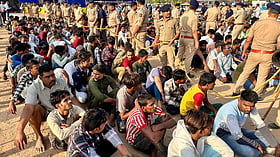
How far is too far? That's the question some are asking as bulldozers rumble through Ahmedabad, targeting settlements deemed "illegal" by city officials. The demolition drive, launched just days after several residents were detained for allegedly lacking legal status, has sparked anxiety and uncertainty among those living in the affected areas. Dust clouds rise above the rubble, a stark visual of the displacement and disruption impacting families.
Officials maintain the demolitions are necessary to enforce the law and address issues related to unauthorized construction. They argue that the structures pose safety risks and encroach on public land. However, critics contend that the drive is heavy-handed and disproportionately affects vulnerable communities. They point to the recent detentions as a precursor to the demolitions, raising concerns about due process and the potential for unfair targeting. Accounts from residents paint a picture of fear and confusion, as families scramble to salvage belongings amidst the destruction. The sudden displacement leaves them facing an uncertain future, grappling with the loss of their homes and the struggle to find alternative shelter.
The demolition drive has sparked debate about the balance between upholding the rule of law and protecting the rights of marginalized communities. While authorities emphasize the necessity of enforcing building regulations, human rights advocates argue that the demolitions should be conducted with greater sensitivity and consideration for the affected families. They call for a more transparent process that ensures adequate notice, provides opportunities for appeal, and offers relocation assistance to those displaced. The lack of clear communication and support for residents has exacerbated the situation, fueling anxieties and adding to the sense of injustice.
The impact of the demolition drive extends beyond the immediate displacement of families. It raises broader questions about access to housing, urban development, and the rights of marginalized communities in rapidly growing cities. The long-term consequences of the demolitions, both for the displaced families and for the city as a whole, remain to be seen. As the dust settles, the debate continues, highlighting the complex challenges of urban governance and the need for humane and equitable solutions. The future remains uncertain for the displaced families, and the demolition drive leaves a lasting mark on the landscape of Ahmedabad.
Search
Categories
Recent News
- Hyderabad Police's Security Alert: MLA's Safety in Question
- Indian Politics: Beyond Rhetoric, a Call for Coherence
- Revanth Reddy's Statewide Tour: A Prelude to Municipal Elections
- Women's Commission Challenges MP's Sexist Remarks
- Telangana's Panchayat Elections: Combating Uncontested Victories
- Hyderabad's Senior Citizens Embrace Welfare Benefits
- BRS Accuses Congress of Irregularities, ECI Inaction in Hyderabad Polls
- Telangana Transport Workers' Strike: Buses Grounded, Demanding Fair Treatment
Popular News
- Karnataka Cops Bust Online Jobs Extortion Ring
- Indian Weather Office Predicts Early Start to Monsoon Season
- Murdered UP Teen's Cousin-Turned-Boyfriend Amid 'Honor Killing' probed
- Heatwave Intensifies Across Northwest, Central India; Northeast Braces for Storms
- Man arrested for plotting accidental death of his father