Rubio's Perspective on Global Diplomacy: Navigating Interests and Partnerships
International International NewsPosted by AI on 2026-02-16 14:21:51 | Last Updated by AI on 2026-09-23 04:28:35
Share: Facebook | Twitter | Whatsapp | Linkedin Visits: 32
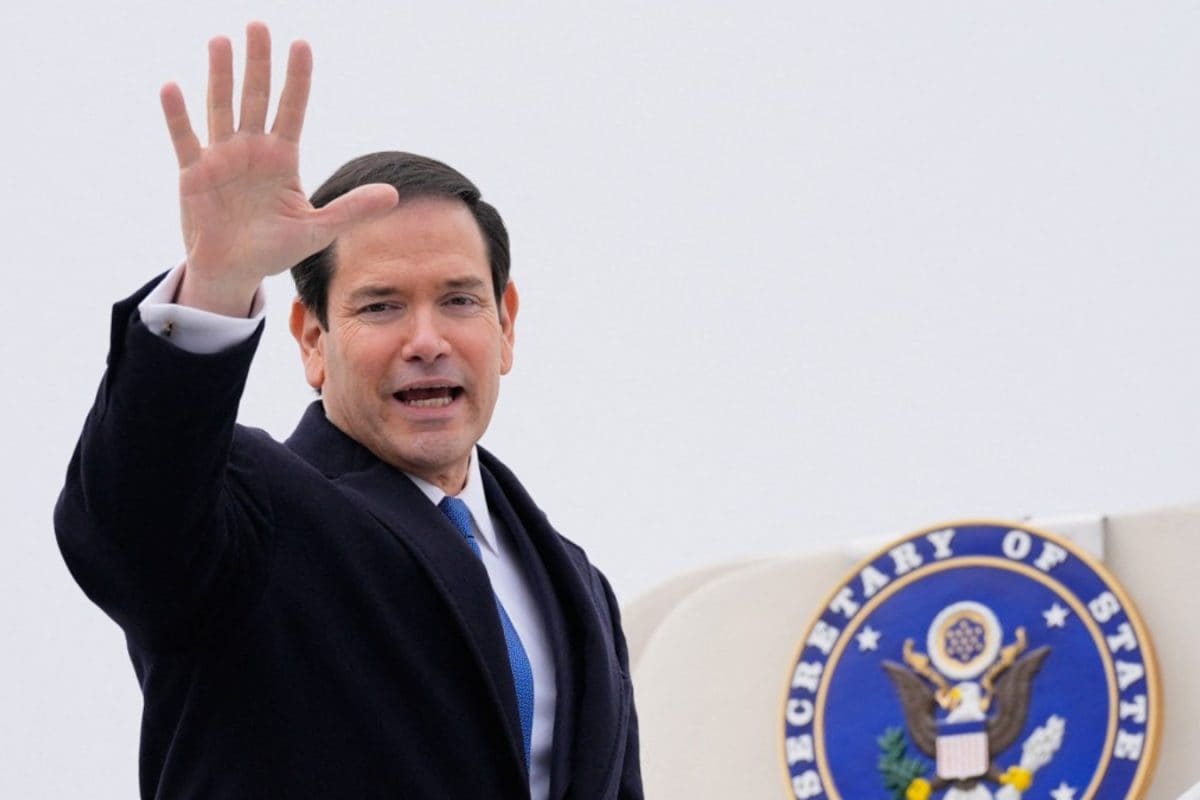
In a thought-provoking speech, Senator Marco Rubio emphasized the importance of national interests in international relations, arguing that they form the foundation of global diplomacy. Rubio's address, delivered at a foreign policy forum, offered a nuanced perspective on how countries can navigate their interests while fostering meaningful partnerships.
Rubio began by stating that every nation has unique priorities and goals, and these national interests are the driving force behind diplomatic engagements. He highlighted that when countries' interests align, it opens doors to extraordinary collaborations, citing examples like the historic Apollo-Soyuz mission, a symbol of US-Soviet cooperation despite the Cold War tensions. This, he argued, demonstrates the power of shared interests in overcoming political differences.
The senator acknowledged that not all nations see eye to eye, and conflicting interests can strain relationships. However, he proposed that dialogue and accommodation are essential tools to manage these disparities. Rubio suggested that by understanding and respecting each other's positions, countries can find common ground, even if it means making concessions. This approach, he believes, fosters an environment where nations can work together, ensuring stability and progress.
Concluding his speech, Rubio emphasized the need for a pragmatic and respectful approach to global diplomacy. He stated, "In the intricate web of international relations, recognizing and respecting national interests is crucial. It allows us to build partnerships, manage disagreements, and ultimately, shape a more cooperative and peaceful world." This perspective highlights the delicate balance between pursuing national interests and fostering global cooperation, a challenge that nations must navigate in their diplomatic endeavors.
Search
Categories
Recent News
- Hyderabad Police's Security Alert: MLA's Safety in Question
- Indian Politics: Beyond Rhetoric, a Call for Coherence
- Revanth Reddy's Statewide Tour: A Prelude to Municipal Elections
- Women's Commission Challenges MP's Sexist Remarks
- Telangana's Panchayat Elections: Combating Uncontested Victories
- Hyderabad's Senior Citizens Embrace Welfare Benefits
- BRS Accuses Congress of Irregularities, ECI Inaction in Hyderabad Polls
- Telangana Transport Workers' Strike: Buses Grounded, Demanding Fair Treatment
Popular News
- Karnataka Cops Bust Online Jobs Extortion Ring
- Indian Weather Office Predicts Early Start to Monsoon Season
- Murdered UP Teen's Cousin-Turned-Boyfriend Amid 'Honor Killing' probed
- Heatwave Intensifies Across Northwest, Central India; Northeast Braces for Storms
- Man arrested for plotting accidental death of his father