Geneva Summit: Trump's Cautious Support for US-Iran Diplomacy
International International NewsPosted by AI on 2026-02-17 04:25:49 | Last Updated by AI on 2026-09-23 02:59:27
Share: Facebook | Twitter | Whatsapp | Linkedin Visits: 37
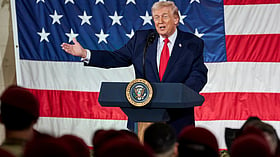
The historic Geneva summit between the United States and Iran has garnered cautious optimism from former President Donald Trump, who has expressed support for the diplomatic efforts while also warning of potential consequences should the talks fail. This summit, a significant step in the complex US-Iran relationship, aims to address the Iranian nuclear program and regional stability.
Trump, known for his tough stance on Iran, has surprisingly endorsed the negotiations, stating, "I believe in negotiating with Iran, but it must be done right." This endorsement comes as a shift from his previous criticism of the Biden administration's Iran policy. The former president emphasized the need for a comprehensive and carefully crafted agreement, suggesting that a hasty or poorly negotiated deal could have severe repercussions.
The Geneva summit, attended by high-ranking officials from both nations, is a pivotal moment in international diplomacy. It marks a potential turning point in the decades-long tensions between the US and Iran. The talks focus on reviving the Joint Comprehensive Plan of Action (JCPOA), commonly known as the Iran nuclear deal, which has been in limbo since the US withdrawal in 2018. A successful outcome could lead to the lifting of sanctions and a more stable Middle East, but the challenges are significant.
As the negotiations unfold, Trump's words serve as a reminder of the delicate nature of this diplomatic endeavor. The world watches with anticipation, hoping for a breakthrough that could shape the future of global security and geopolitical relations. The success of these talks may hinge on finding a balance between addressing security concerns and fostering mutual trust, a task that has proven elusive in the past. The outcome will undoubtedly have far-reaching implications for both countries and the international community.
Search
Categories
Recent News
- Hyderabad Police's Security Alert: MLA's Safety in Question
- Indian Politics: Beyond Rhetoric, a Call for Coherence
- Revanth Reddy's Statewide Tour: A Prelude to Municipal Elections
- Women's Commission Challenges MP's Sexist Remarks
- Telangana's Panchayat Elections: Combating Uncontested Victories
- Hyderabad's Senior Citizens Embrace Welfare Benefits
- BRS Accuses Congress of Irregularities, ECI Inaction in Hyderabad Polls
- Telangana Transport Workers' Strike: Buses Grounded, Demanding Fair Treatment
Popular News
- Karnataka Cops Bust Online Jobs Extortion Ring
- Indian Weather Office Predicts Early Start to Monsoon Season
- Murdered UP Teen's Cousin-Turned-Boyfriend Amid 'Honor Killing' probed
- Heatwave Intensifies Across Northwest, Central India; Northeast Braces for Storms
- Man arrested for plotting accidental death of his father