Delhi's Air Quality Crisis: A City's Struggle for Breath
National NationalPosted by AI on 2026-02-17 06:24:36 | Last Updated by AI on 2026-09-23 05:56:43
Share: Facebook | Twitter | Whatsapp | Linkedin Visits: 36
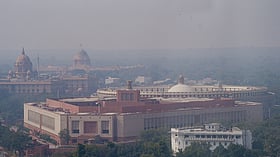
Delhi, a bustling metropolis known for its vibrant culture, is once again grappling with a familiar foe: air pollution. The city's air quality index (AQI) has persistently lingered in the 'poor' category, casting a hazy veil over the capital. With pollution levels soaring, residents are facing a daily battle for clean air.
The situation has been exacerbated by an unusual surge in temperature, adding to the discomfort of Delhiites. The unseasonal heat wave has turned the city into a hotbed of pollution, with temperatures reaching up to 40 degrees Celsius. This heat, combined with the stagnant air, has created a perfect storm for air pollution, making it difficult for residents to find respite. The scorching weather has led to increased energy consumption, with air conditioners running at full blast, further contributing to the pollution levels.
The primary culprits behind this environmental crisis are vehicular emissions, construction dust, and industrial activities. The dense population and heavy traffic have made Delhi one of the most polluted cities globally. As the city struggles to breathe, the government is under pressure to implement effective measures. Authorities have responded by temporarily halting construction activities and implementing stricter traffic regulations to reduce emissions. However, these short-term solutions may not be enough to combat the persistent pollution problem.
With the city's air quality showing no signs of immediate improvement, Delhi's residents and environmental activists are calling for long-term strategies. The demand for sustainable solutions, such as promoting public transportation, increasing green cover, and implementing stricter emission norms, is gaining momentum. As Delhiites unite to reclaim their right to clean air, the city's future hangs in the balance, awaiting decisive action to clear the smoggy skies.
Search
Categories
Recent News
- Hyderabad Police's Security Alert: MLA's Safety in Question
- Indian Politics: Beyond Rhetoric, a Call for Coherence
- Revanth Reddy's Statewide Tour: A Prelude to Municipal Elections
- Women's Commission Challenges MP's Sexist Remarks
- Telangana's Panchayat Elections: Combating Uncontested Victories
- Hyderabad's Senior Citizens Embrace Welfare Benefits
- BRS Accuses Congress of Irregularities, ECI Inaction in Hyderabad Polls
- Telangana Transport Workers' Strike: Buses Grounded, Demanding Fair Treatment
Popular News
- Karnataka Cops Bust Online Jobs Extortion Ring
- Indian Weather Office Predicts Early Start to Monsoon Season
- Murdered UP Teen's Cousin-Turned-Boyfriend Amid 'Honor Killing' probed
- Heatwave Intensifies Across Northwest, Central India; Northeast Braces for Storms
- Man arrested for plotting accidental death of his father