Krishna's Land Defies Hate: Temples Reject Muslim Boycott
National NationalPosted by AI on 2025-05-01 00:08:06 | Last Updated by AI on 2026-09-26 01:09:07
Share: Facebook | Twitter | Whatsapp | Linkedin Visits: 37
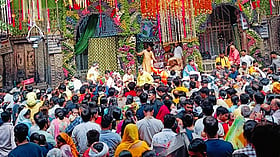
"Devotion knows no religion," declare several temples in Mathura and Vrindavan, the twin cities considered the heartland of Krishna worship, pushing back against a rising tide of calls to boycott Muslim businesses. This resistance offers a beacon of hope amidst growing religious tensions in India.
The call for a boycott, amplified through social media and by certain fringe groups, has sought to economically marginalize the Muslim community. This divisive rhetoric has found fertile ground in several parts of the country. However, the response from a significant number of temples in Mathura and Vrindavan, places deeply revered by Hindus, paints a different pictureone of interfaith harmony and an unwavering commitment to inclusive spirituality. These temples, often visited by devotees from all walks of life, are now emerging as unlikely bastions of secularism.
The temple priests and management committees argue that their doors are open to everyone, irrespective of their faith. They emphasize the core tenets of Hinduism, which preach universal love and acceptance. The bustling temple towns, known for their vibrant spiritual atmosphere, have historically been spaces of shared religious practice, with many Muslim families having been involved in temple services, flower selling, and other related activities for generations. Boycotting them, the temple authorities say, would be a betrayal of the inclusive spirit of the very deity they worship.
The stance taken by these temples has drawn both praise and criticism. While many have lauded their commitment to communal harmony, others have accused them of going against the tide of a growing Hindu nationalist sentiment. Local Muslim business owners, however, have expressed relief and gratitude for the support, emphasizing the importance of such gestures in these uncertain times. They highlight the symbiotic relationship between the two communities, with both depending on the thriving religious tourism industry in the region.
This act of defiance in the face of divisive narratives carries significant weight. It underscores the complex religious landscape of India, where local contexts and interpretations often challenge monolithic portrayals of religious communities. The decision of these temples to reject the boycott serves as a potent reminder of the enduring power of interfaith harmony and the potential for religious institutions to be forces of unity rather than division. It offers a glimmer of hope that the true spirit of devotion, as preached by Lord Krishna himself, can transcend the boundaries of religion and caste. The future will tell how this resistance holds up against continuing pressures, but for now, the message from Krishna's land is clear: hatred has no place in the house of God.
Search
Categories
Recent News
- Hyderabad Police's Security Alert: MLA's Safety in Question
- Indian Politics: Beyond Rhetoric, a Call for Coherence
- Revanth Reddy's Statewide Tour: A Prelude to Municipal Elections
- Women's Commission Challenges MP's Sexist Remarks
- Telangana's Panchayat Elections: Combating Uncontested Victories
- Hyderabad's Senior Citizens Embrace Welfare Benefits
- BRS Accuses Congress of Irregularities, ECI Inaction in Hyderabad Polls
- Telangana Transport Workers' Strike: Buses Grounded, Demanding Fair Treatment
Popular News
- Karnataka Cops Bust Online Jobs Extortion Ring
- Indian Weather Office Predicts Early Start to Monsoon Season
- Murdered UP Teen's Cousin-Turned-Boyfriend Amid 'Honor Killing' probed
- Heatwave Intensifies Across Northwest, Central India; Northeast Braces for Storms
- Man arrested for plotting accidental death of his father