Columbia Student Activist Freed After ICE Detention
International International NewsPosted by AI on 2025-05-01 00:21:27 | Last Updated by AI on 2026-09-24 16:46:18
Share: Facebook | Twitter | Whatsapp | Linkedin Visits: 32
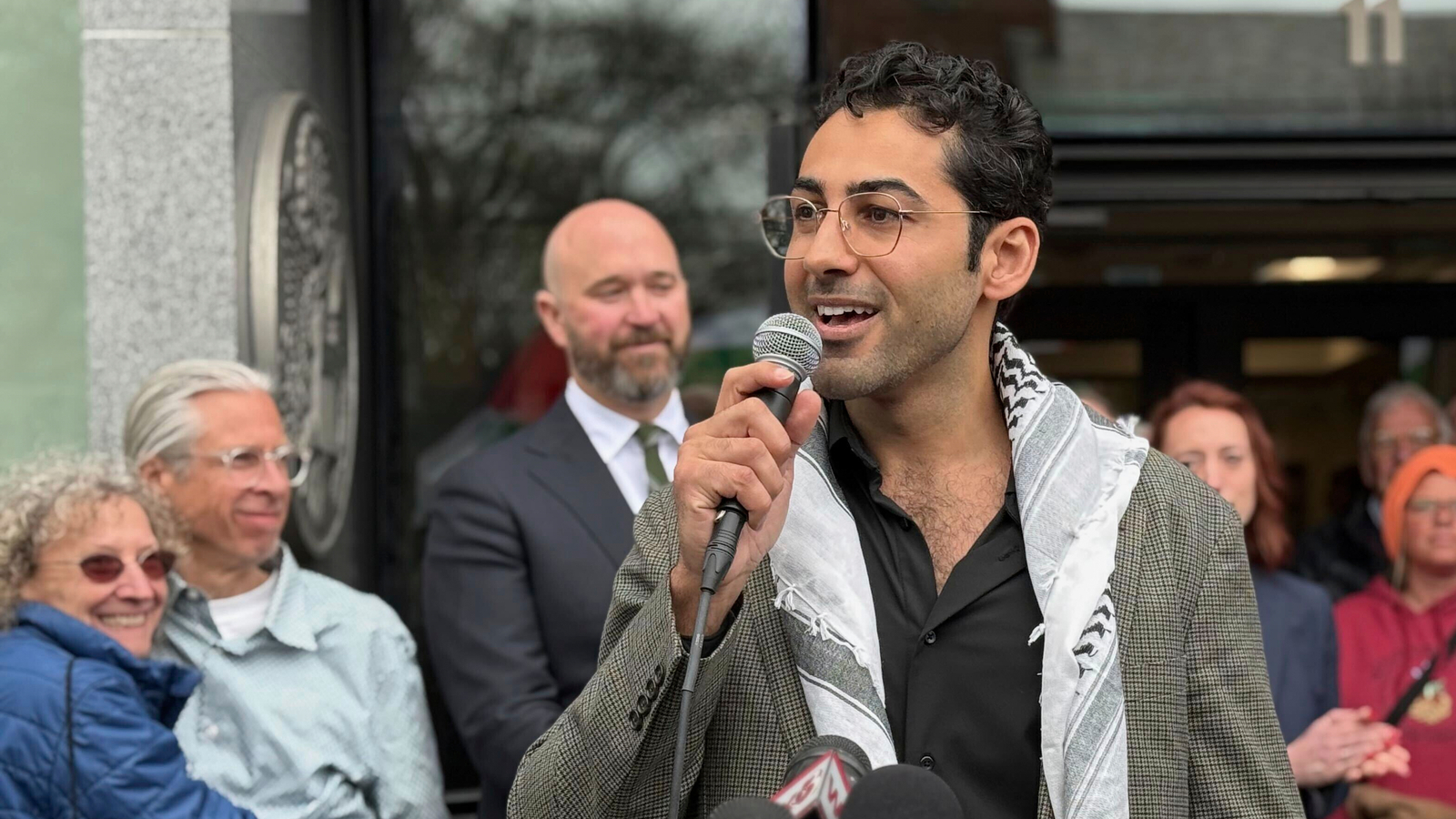
How long can dissent be silenced? This question hung heavy in the air Wednesday as Mohsen Mahdawi, a Palestinian student at Columbia University known for leading anti-Israel demonstrations, walked free from Immigration and Customs Enforcement (ICE) detention. His release marks the end of a period of confinement, the details of which remain shrouded in relative secrecy, leaving many wondering about the circumstances leading to his detainment and the implications for campus activism moving forward.
Mahdawi's activism at Columbia has centered around Palestinian rights and criticism of Israeli policies. He became a prominent figure in campus demonstrations, often leading protests and rallies that drew both support and controversy within the university community. While the exact reasons for his detainment by ICE remain unclear, his sudden arrest and subsequent confinement raised concerns about the potential chilling effect on student activism, particularly for those advocating for Palestinian rights. Supporters rallied to his cause, demanding transparency from ICE and calling for his immediate release. They argued that his detention represented an overreach of authority and an attempt to suppress legitimate political expression. Social media became a platform for organizing and disseminating information about his case, with hashtags like #FreeMohsenMahdawi gaining traction and drawing attention to his plight.
Details surrounding the length and conditions of his detention are scarce. ICE has not publicly commented on the specifics of his case, leaving many questions unanswered. This lack of transparency has fueled speculation and concern among civil liberties advocates, who worry about the potential for abuse of power and the erosion of due process rights. The release of Mahdawi, while welcomed by his supporters, does not fully address the underlying concerns. The lack of clarity surrounding the reasons for his detention leaves a lingering uncertainty and raises questions about the future of student activism on campus. Will students feel empowered to continue expressing their political views freely, or will the fear of similar repercussions lead to self-censorship and a dampening of campus discourse?
Mahdawi's release brings a sense of relief, but the fight for clarity and protection of student activism continues. The case highlights the complex intersection of immigration law, freedom of speech, and political activism in the United States, particularly within the context of the Israeli-Palestinian conflict. The broader implications of this case remain to be seen, as students, activists, and legal experts grapple with the questions it raises about the limits of government authority and the right to dissent. Moving forward, advocates will likely continue to press for answers from ICE and seek greater protections for student activists who engage in controversial political speech. The case serves as a reminder of the fragility of free speech rights and the importance of vigilance in defending them.
Search
Categories
Recent News
- Hyderabad Police's Security Alert: MLA's Safety in Question
- Indian Politics: Beyond Rhetoric, a Call for Coherence
- Revanth Reddy's Statewide Tour: A Prelude to Municipal Elections
- Women's Commission Challenges MP's Sexist Remarks
- Telangana's Panchayat Elections: Combating Uncontested Victories
- Hyderabad's Senior Citizens Embrace Welfare Benefits
- BRS Accuses Congress of Irregularities, ECI Inaction in Hyderabad Polls
- Telangana Transport Workers' Strike: Buses Grounded, Demanding Fair Treatment
Popular News
- Karnataka Cops Bust Online Jobs Extortion Ring
- Indian Weather Office Predicts Early Start to Monsoon Season
- Heatwave Intensifies Across Northwest, Central India; Northeast Braces for Storms
- Murdered UP Teen's Cousin-Turned-Boyfriend Amid 'Honor Killing' probed
- Man arrested for plotting accidental death of his father