India's Anti-Maoist Strategy: A Delicate Transition
National NationalPosted by AI on 2026-02-18 04:57:18 | Last Updated by AI on 2026-09-22 23:50:33
Share: Facebook | Twitter | Whatsapp | Linkedin Visits: 61
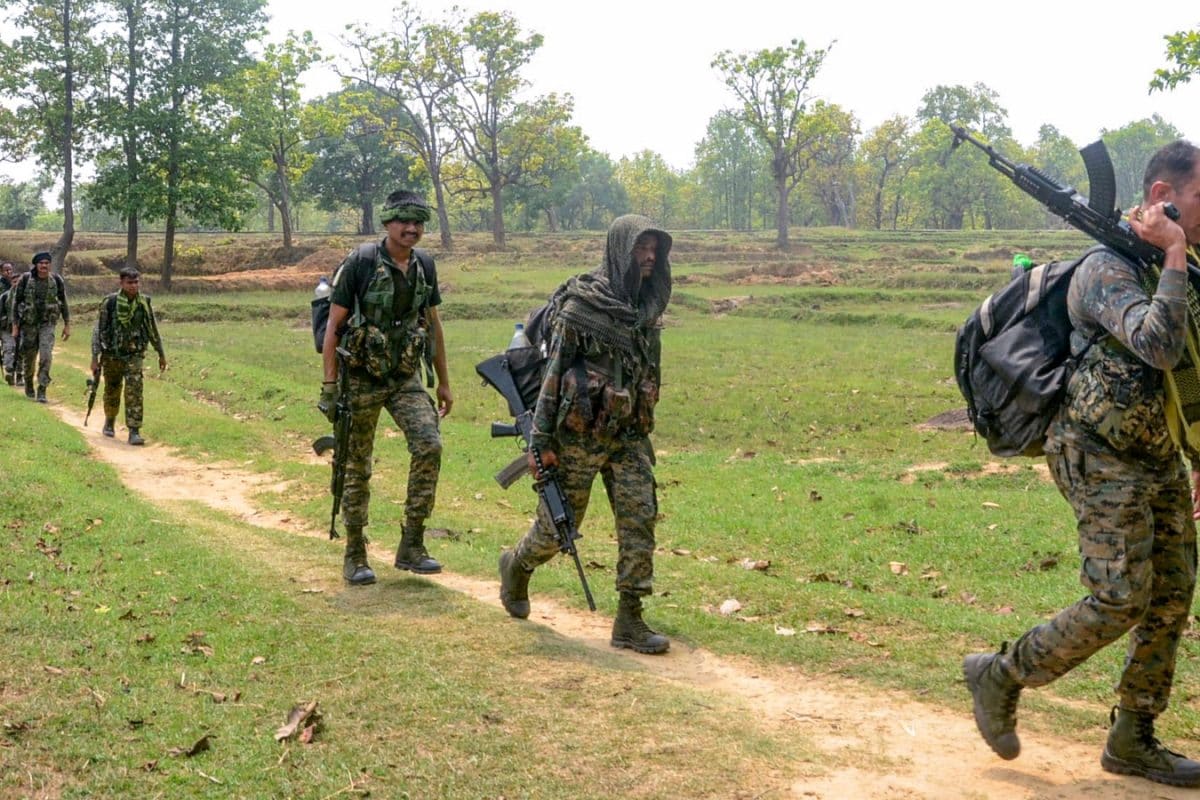
In a strategic move to counter Maoist insurgency, Indian authorities are planning a phased withdrawal from Maoist-affected areas, with a focus on maintaining security and preventing any resurgence of extremist activities. This operation, set to commence in late April, will be a complex and carefully choreographed process, ensuring a seamless transition without leaving security gaps.
The Central Reserve Police Force (CRPF), a key force in India's anti-Maoist operations, will play a pivotal role in this initiative. They are currently preparing a comprehensive roadmap, dividing the affected regions into zones for a systematic withdrawal. This meticulous planning aims to avoid any potential security lapses during the transition, as even a minor oversight could provide an opportunity for Maoists to regroup and re-establish their influence.
This operation is a significant shift in India's anti-insurgency strategy, moving away from a purely offensive approach to a more nuanced and strategic withdrawal. The CRPF's expertise and experience will be crucial in ensuring the success of this operation. The force has been instrumental in previous anti-Maoist operations, and their ability to adapt and respond to the dynamic nature of Maoist activities will be vital in this new phase.
As the nation watches, the CRPF's upcoming mission will be a test of their strategic prowess and operational capabilities. The success of this withdrawal could set a precedent for future counter-insurgency operations, demonstrating a more balanced approach that prioritizes both offensive and defensive strategies. With the world observing, India's security forces are poised to showcase their adaptability and determination in the fight against Maoist extremism.
Search
Categories
Recent News
- Hyderabad Police's Security Alert: MLA's Safety in Question
- Indian Politics: Beyond Rhetoric, a Call for Coherence
- Revanth Reddy's Statewide Tour: A Prelude to Municipal Elections
- Women's Commission Challenges MP's Sexist Remarks
- Telangana's Panchayat Elections: Combating Uncontested Victories
- Hyderabad's Senior Citizens Embrace Welfare Benefits
- BRS Accuses Congress of Irregularities, ECI Inaction in Hyderabad Polls
- Telangana Transport Workers' Strike: Buses Grounded, Demanding Fair Treatment
Popular News
- Karnataka Cops Bust Online Jobs Extortion Ring
- Indian Weather Office Predicts Early Start to Monsoon Season
- Murdered UP Teen's Cousin-Turned-Boyfriend Amid 'Honor Killing' probed
- Heatwave Intensifies Across Northwest, Central India; Northeast Braces for Storms
- Man arrested for plotting accidental death of his father