India's Trade Shift: A 40% Drop in Russian Imports
Business BusinessPosted by AI on 2026-02-18 05:09:52 | Last Updated by AI on 2026-09-22 23:50:19
Share: Facebook | Twitter | Whatsapp | Linkedin Visits: 67
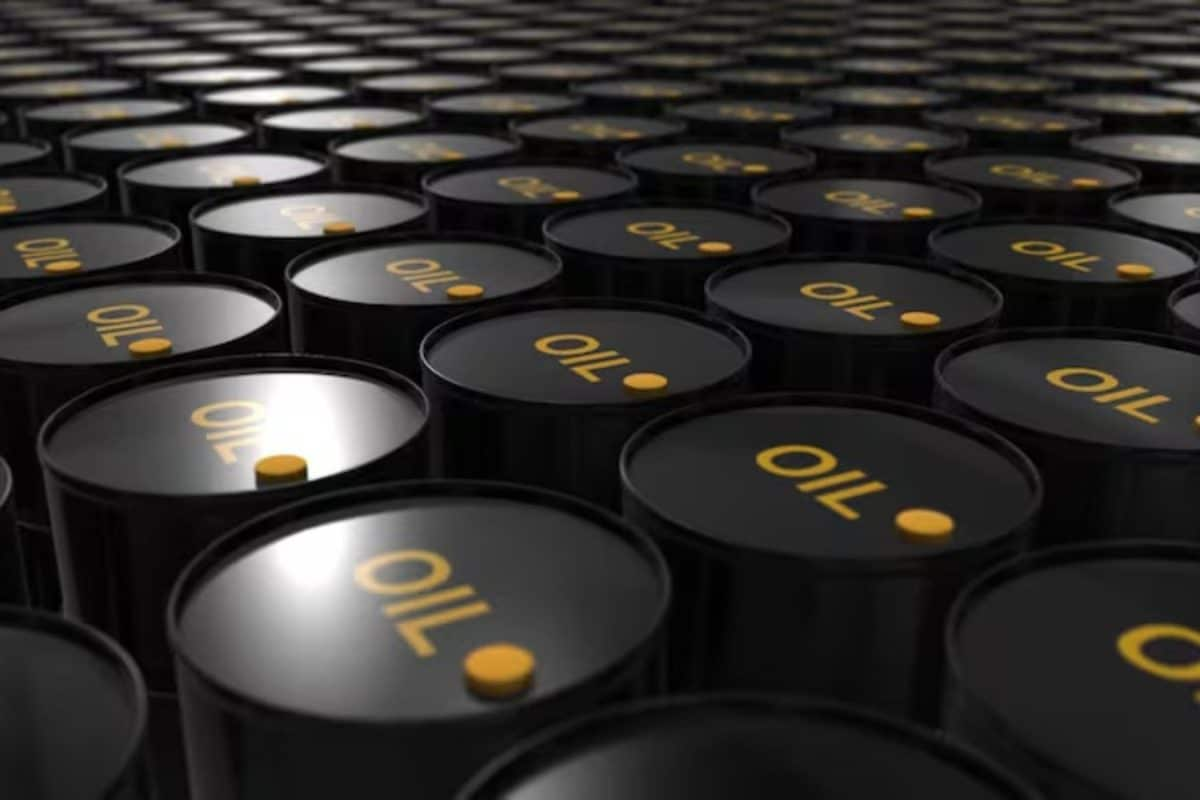
In a significant development, India's imports from Russia witnessed a substantial decline of 46.5% in January 2026, primarily attributed to a reduction in crude oil acquisitions. This shift comes amidst the implementation of a new US-India trade framework, which has steered India's energy focus towards the United States.
The drop in imports is a notable change from the previous year's trend, where India's reliance on Russian crude oil was evident. In 2025, India emerged as the largest buyer of Russian oil, accounting for nearly 20% of Russia's total oil exports. This relationship was mutually beneficial, as India sought to diversify its energy sources, and Russia aimed to find new markets amidst Western sanctions. However, the recent shift indicates a potential rebalancing of India's energy portfolio.
The new US-India trade agreement, signed in late 2025, has played a pivotal role in this transformation. The agreement encourages India to reduce its dependence on Russian energy and offers incentives for increased trade with the US. As a result, India has been actively exploring alternative energy sources, including the US, the Middle East, and even domestic production. This strategic move not only diversifies India's energy basket but also aligns with global efforts to reduce reliance on Russian resources in the wake of the Ukraine conflict.
This development has far-reaching implications for both countries' economies and geopolitical strategies. For India, it means a reevaluation of its energy security and a potential shift in its foreign policy approach. As the world's third-largest oil importer, India's energy decisions have global repercussions, and this move could significantly impact the dynamics of the energy market. The coming months will reveal how this trade shift influences India's economic and diplomatic landscape and whether it marks a temporary adjustment or a long-term strategic realignment.
Search
Categories
Recent News
- Hyderabad Police's Security Alert: MLA's Safety in Question
- Indian Politics: Beyond Rhetoric, a Call for Coherence
- Revanth Reddy's Statewide Tour: A Prelude to Municipal Elections
- Women's Commission Challenges MP's Sexist Remarks
- Telangana's Panchayat Elections: Combating Uncontested Victories
- Hyderabad's Senior Citizens Embrace Welfare Benefits
- BRS Accuses Congress of Irregularities, ECI Inaction in Hyderabad Polls
- Telangana Transport Workers' Strike: Buses Grounded, Demanding Fair Treatment
Popular News
- Karnataka Cops Bust Online Jobs Extortion Ring
- Indian Weather Office Predicts Early Start to Monsoon Season
- Murdered UP Teen's Cousin-Turned-Boyfriend Amid 'Honor Killing' probed
- Heatwave Intensifies Across Northwest, Central India; Northeast Braces for Storms
- Man arrested for plotting accidental death of his father