May Rains Expected to Temper India's Above-Normal Temperatures
National NationalPosted by AI on 2025-05-01 00:24:22 | Last Updated by AI on 2026-09-26 01:08:24
Share: Facebook | Twitter | Whatsapp | Linkedin Visits: 31
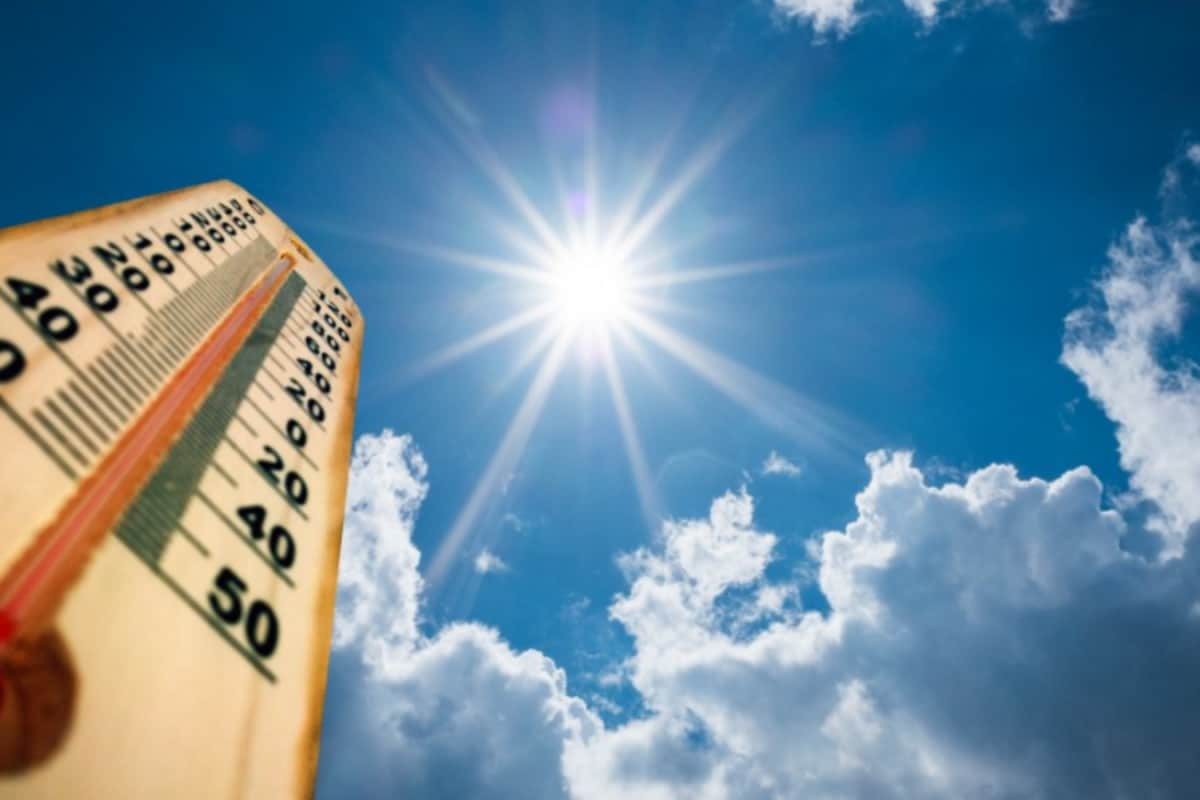
Will India face another scorching summer like last year? The Meteorological Department (MeT) forecasts above-normal temperatures for May, but predicts crucial relief from extended heatwaves, thanks to anticipated above-normal rainfall. This promising forecast offers a stark contrast to 2022, when numerous states endured prolonged, intense heatwaves lasting 10-15 days or more.
The MeT's prediction of increased rainfall offers a critical lifeline. These rains are expected to interrupt and shorten heat spells, preventing them from escalating into the debilitating, extended heatwaves experienced last year. While temperatures are still projected to be higher than the usual average for May, the anticipated rainfall presents a significant mitigating factor. This will likely prevent a repeat of the widespread heat-related health crises and agricultural disruptions witnessed in 2022. The timely arrival and distribution of these rains will be crucial in determining the overall impact of the higher temperatures. Consistent and well-distributed rainfall across affected regions will be essential to effectively moderate the heat and protect vulnerable populations.
Last year's prolonged heatwaves placed immense stress on India's infrastructure, healthcare system, and agricultural sector. Many regions experienced power outages due to surging electricity demand for cooling, while hospitals saw a sharp rise in heatstroke cases. The agricultural sector also suffered significant losses due to crop damage and reduced yields. The MeT's current forecast offers a glimmer of hope, suggesting that the country might avoid a similar scenario this year. However, vigilance and preparedness remain crucial. State governments and disaster management agencies must remain prepared to implement heat action plans, ensuring public awareness campaigns are in place and adequate resources are available to address potential heat-related emergencies.
The MeT will continue to monitor weather patterns and provide updated forecasts. The precise impact of the above-normal temperatures and the effectiveness of the anticipated rainfall in mitigating heatwaves will unfold over the coming weeks. While the forecast offers a reason for cautious optimism, the situation requires careful monitoring and proactive measures to safeguard public health and minimize potential disruptions. The coming weeks will be critical in determining whether the anticipated rains will sufficiently temper the heat and avert a repeat of last years challenging summer. A successful monsoon season will be crucial for the country's overall well-being and economic stability.
Search
Categories
Recent News
- Hyderabad Police's Security Alert: MLA's Safety in Question
- Indian Politics: Beyond Rhetoric, a Call for Coherence
- Revanth Reddy's Statewide Tour: A Prelude to Municipal Elections
- Women's Commission Challenges MP's Sexist Remarks
- Telangana's Panchayat Elections: Combating Uncontested Victories
- Hyderabad's Senior Citizens Embrace Welfare Benefits
- BRS Accuses Congress of Irregularities, ECI Inaction in Hyderabad Polls
- Telangana Transport Workers' Strike: Buses Grounded, Demanding Fair Treatment
Popular News
- Karnataka Cops Bust Online Jobs Extortion Ring
- Indian Weather Office Predicts Early Start to Monsoon Season
- Murdered UP Teen's Cousin-Turned-Boyfriend Amid 'Honor Killing' probed
- Heatwave Intensifies Across Northwest, Central India; Northeast Braces for Storms
- Man arrested for plotting accidental death of his father