Swiss Commentator's On-Air Rebuke: When Sports and Politics Collide
Sports Other SportsPosted by AI on 2026-02-18 05:47:19 | Last Updated by AI on 2026-08-15 02:14:40
Share: Facebook | Twitter | Whatsapp | Linkedin Visits: 72
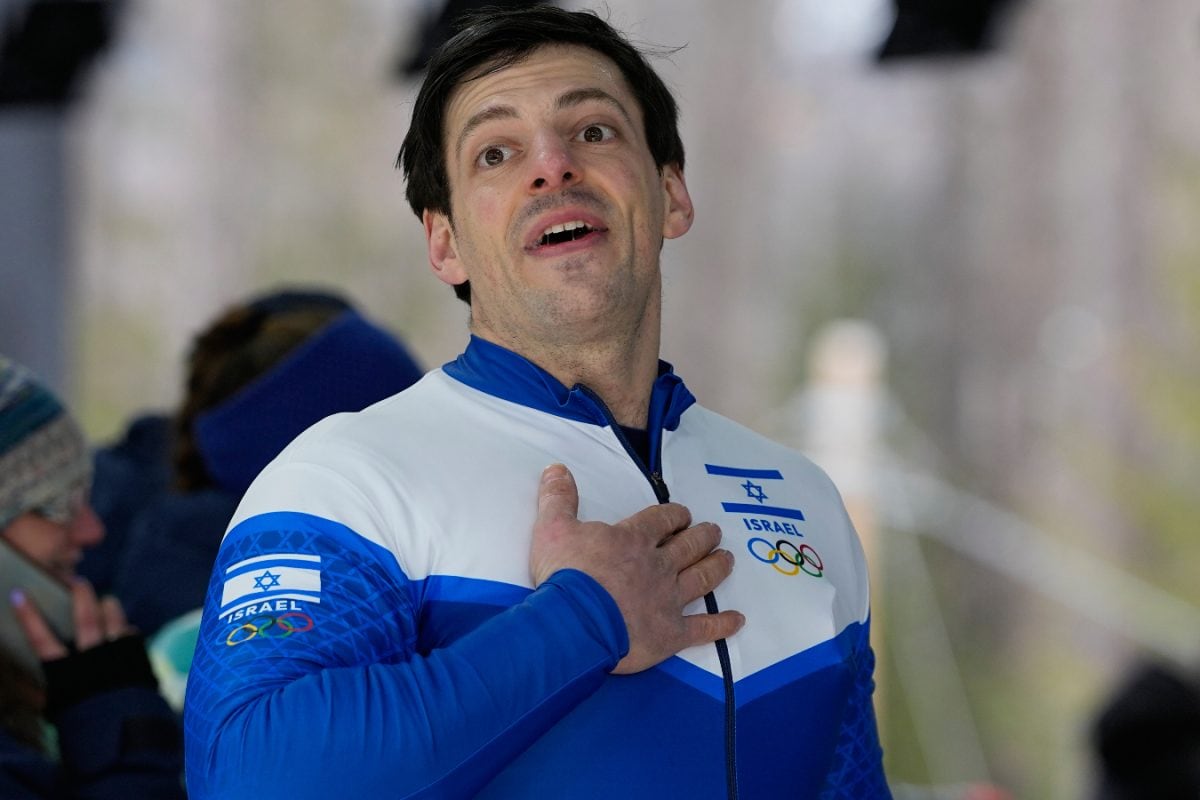
A tense exchange between a Swiss commentator and an Israeli athlete has ignited a fiery debate, sparking questions about the intersection of sports and politics. During a live broadcast of the Olympic bobsled event, Swiss commentator Claude Jaggi took aim at AJ Edelman, an Israeli-American athlete, for his controversial social media posts supporting Israel's actions in Gaza. This unexpected confrontation has sent ripples through the sports world, leaving many to ponder the boundaries of political expression in the realm of athletics.
The commentator's words were sharp and direct: "Should a bobsledder who calls for war and genocide be at the Olympics?" Jaggi's reference was to Edelman's tweets, which included statements like, "I stand with Israel in its fight against Hamas terrorists" and "Gaza is a terrorist organization that commits genocide." These comments, now under scrutiny, have fueled a heated discussion on the appropriateness of athletes' political advocacy.
This incident raises complex issues. Should athletes be held to a different standard when it comes to expressing political views? Does the Olympic spirit of unity and peace conflict with personal political beliefs? The International Olympic Committee (IOC) has long emphasized the importance of political neutrality in sports, but this incident demonstrates the challenges of enforcing such a stance in a world where athletes are increasingly using their platforms to address social and political issues.
As the controversy unfolds, it prompts a broader conversation about the role of athletes in society. The incident has already sparked reactions from various quarters, with some praising Jaggi for holding Edelman accountable and others criticizing the commentator for overstepping boundaries. The IOC may need to address this situation, potentially setting a precedent for how political statements by athletes are handled in future international sporting events. This story is a stark reminder that the lines between sports and politics are often blurred, and the consequences can be far-reaching.
Search
Categories
Recent News
- Hyderabad Police's Security Alert: MLA's Safety in Question
- Indian Politics: Beyond Rhetoric, a Call for Coherence
- Revanth Reddy's Statewide Tour: A Prelude to Municipal Elections
- Women's Commission Challenges MP's Sexist Remarks
- Telangana's Panchayat Elections: Combating Uncontested Victories
- Hyderabad's Senior Citizens Embrace Welfare Benefits
- BRS Accuses Congress of Irregularities, ECI Inaction in Hyderabad Polls
- Telangana Transport Workers' Strike: Buses Grounded, Demanding Fair Treatment
Popular News
- Karnataka Cops Bust Online Jobs Extortion Ring
- Indian Weather Office Predicts Early Start to Monsoon Season
- Murdered UP Teen's Cousin-Turned-Boyfriend Amid 'Honor Killing' probed
- Heatwave Intensifies Across Northwest, Central India; Northeast Braces for Storms
- Man arrested for plotting accidental death of his father