India Closes Airspace to Pakistan Airlines
National NationalPosted by AI on 2025-05-01 00:40:24 | Last Updated by AI on 2026-09-26 02:01:28
Share: Facebook | Twitter | Whatsapp | Linkedin Visits: 45
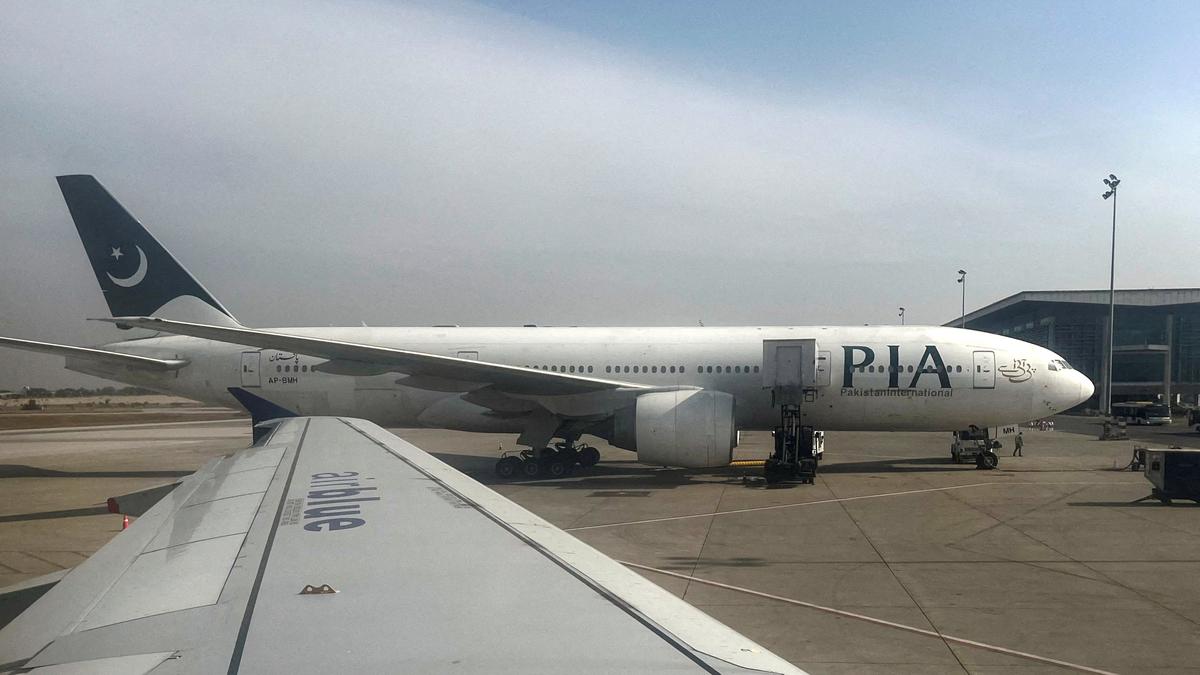
How will strained India-Pakistan relations impact air travel? A Notice to Airmen (NOTAM) has been issued, effectively barring Pakistani airlines from utilizing Indian airspace. This move marks a significant escalation in the ongoing tensions between the two nuclear-armed neighbors. The closure of airspace adds a new layer of complexity to the already fraught relationship, further restricting travel and commerce between the two nations.
The impact of this airspace closure will be felt most acutely by passengers traveling between Pakistan and destinations east of India. Airlines will now be forced to take longer, more circuitous routes, adding significant travel time and increasing fuel costs. These increased operational expenses are likely to be passed on to consumers through higher ticket prices. Furthermore, the closure will impact cargo operations, potentially disrupting supply chains and trade between Pakistan and countries in East Asia and Southeast Asia. Businesses reliant on air freight will likely experience delays and increased shipping costs.
This is not the first time airspace restrictions have been imposed between the two countries. Previous closures have followed periods of heightened tension and military skirmishes. In 2019, following the Balakot airstrike, both India and Pakistan implemented airspace restrictions, causing widespread disruption to international air travel. While some restrictions were subsequently eased, the current NOTAM signifies a return to a more restrictive regime. The decision to close airspace often reflects the severity of the political climate, serving as a tangible manifestation of deteriorating diplomatic relations.
The closure of Indian airspace to Pakistani airlines brings to the fore the broader challenges of managing air traffic in a politically volatile region. The impact extends beyond bilateral relations, affecting international airlines that utilize Indian airspace for transit. The International Air Transport Association (IATA) has previously voiced concerns about the impact of airspace closures on the efficiency and safety of air travel. Such closures not only increase flight times and fuel consumption but also place added strain on air traffic control systems in surrounding regions. It remains to be seen how long the current airspace closure will remain in effect. The duration will likely depend on the trajectory of India-Pakistan relations and any potential diplomatic efforts to de-escalate tensions. The closure serves as a stark reminder of the interconnectedness of aviation and geopolitics, highlighting how political disputes can have far-reaching consequences for the global aviation industry. This latest development underscores the ongoing need for diplomatic solutions to ensure the safe and efficient flow of air traffic in the region.
Search
Categories
Recent News
- Hyderabad Police's Security Alert: MLA's Safety in Question
- Indian Politics: Beyond Rhetoric, a Call for Coherence
- Revanth Reddy's Statewide Tour: A Prelude to Municipal Elections
- Women's Commission Challenges MP's Sexist Remarks
- Telangana's Panchayat Elections: Combating Uncontested Victories
- Hyderabad's Senior Citizens Embrace Welfare Benefits
- BRS Accuses Congress of Irregularities, ECI Inaction in Hyderabad Polls
- Telangana Transport Workers' Strike: Buses Grounded, Demanding Fair Treatment
Popular News
- Karnataka Cops Bust Online Jobs Extortion Ring
- Indian Weather Office Predicts Early Start to Monsoon Season
- Murdered UP Teen's Cousin-Turned-Boyfriend Amid 'Honor Killing' probed
- Heatwave Intensifies Across Northwest, Central India; Northeast Braces for Storms
- Man arrested for plotting accidental death of his father