Pakistani Actors' Instagram Blocked in India After Kashmir Attack
National NationalPosted by AI on 2025-05-01 00:47:38 | Last Updated by AI on 2026-09-26 02:41:21
Share: Facebook | Twitter | Whatsapp | Linkedin Visits: 44
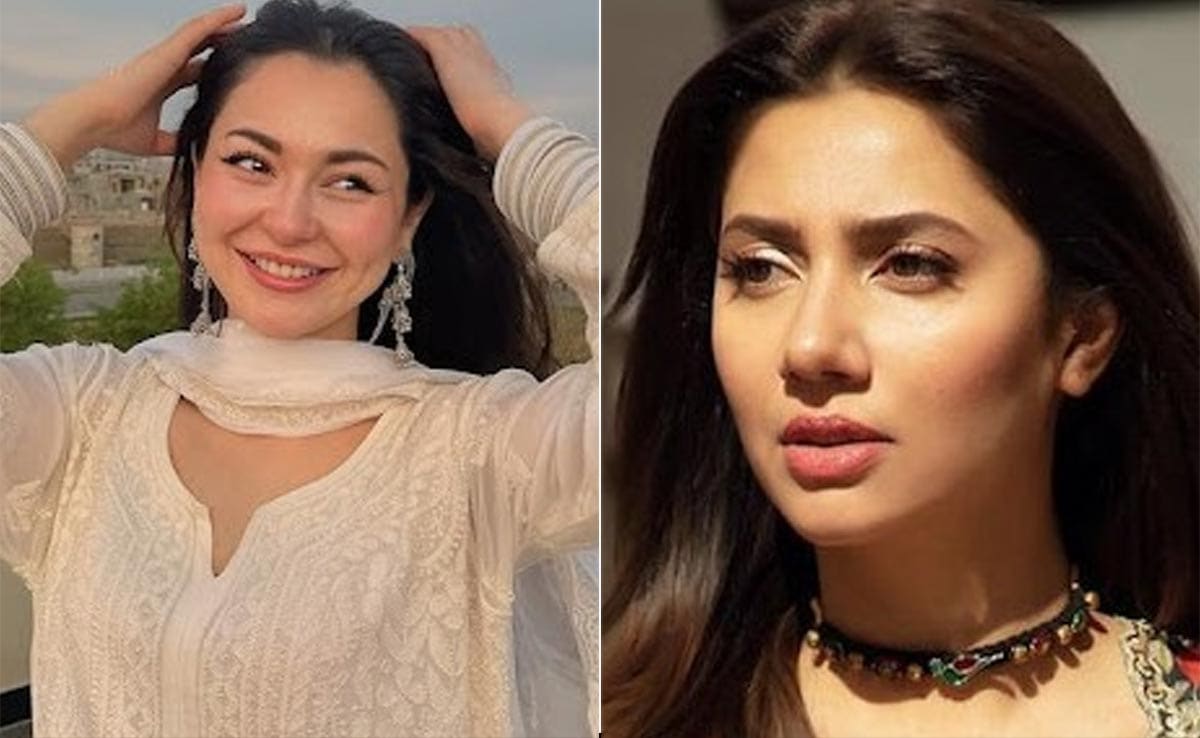
Have social media platforms become the newest battleground in the escalating tensions between India and Pakistan? Following a deadly attack on tourists in Kashmir, several prominent Pakistani actors, including Mahira Khan, Hania Aamir, and Ali Zafar, discovered their Instagram accounts inaccessible within India on Wednesday evening. The Indian government has attributed the attack to Islamabad, further straining the already fraught relationship between the two nations.
The timing of the Instagram block raises questions about its connection to the Kashmir attack. While no official statement directly links the two events, the close proximity has fueled speculation about a potential retaliatory measure or a broader attempt to limit cultural exchange between the countries. The attack, which targeted tourists, heightened security concerns in the region and brought international attention to the ongoing conflict in Kashmir. India's accusation against Pakistan adds another layer of complexity to a historically volatile relationship.
The affected actors, well-known for their work in both Pakistani and Indian film and television, boast a considerable fan following in India. Mahira Khan, particularly, gained recognition for her role opposite Shah Rukh Khan in the Bollywood film "Raees." Hania Aamir, a rising star in the Pakistani entertainment industry, also enjoys a substantial Indian fan base. Ali Zafar, a singer and actor with a long-standing career, has a similar cross-border appeal. The blocking of their accounts effectively cuts off a significant avenue of communication with their Indian followers and reflects the broader chill in relations between the two countries.
The incident spotlights the increasing role of social media platforms in geopolitical tensions. While these platforms offer opportunities for cultural exchange and connection, they can also become tools for censorship and information control during times of conflict. The blocking of these accounts highlights the complex intersection of entertainment, politics, and technology in the digital age. It raises questions about the power of social media platforms to shape public opinion, influence cultural exchange, and become entangled in international disputes. The implications extend beyond the entertainment industry, touching on broader issues of freedom of expression and access to information.
This latest development signals a further deterioration in the already delicate India-Pakistan relationship. The incident underscores the volatile nature of the situation in Kashmir and the potential for cultural and social interactions to become casualties of political conflict. It remains to be seen whether the block is temporary or a sign of a more protracted period of strained relations, impacting not only the artists but also the fans who rely on these platforms for connection and entertainment. The situation warrants close observation as it unfolds, with potential implications for future cross-border cultural exchanges and the evolving role of social media in international relations.
Search
Categories
Recent News
- Hyderabad Police's Security Alert: MLA's Safety in Question
- Indian Politics: Beyond Rhetoric, a Call for Coherence
- Revanth Reddy's Statewide Tour: A Prelude to Municipal Elections
- Women's Commission Challenges MP's Sexist Remarks
- Telangana's Panchayat Elections: Combating Uncontested Victories
- Hyderabad's Senior Citizens Embrace Welfare Benefits
- BRS Accuses Congress of Irregularities, ECI Inaction in Hyderabad Polls
- Telangana Transport Workers' Strike: Buses Grounded, Demanding Fair Treatment
Popular News
- Karnataka Cops Bust Online Jobs Extortion Ring
- Indian Weather Office Predicts Early Start to Monsoon Season
- Murdered UP Teen's Cousin-Turned-Boyfriend Amid 'Honor Killing' probed
- Heatwave Intensifies Across Northwest, Central India; Northeast Braces for Storms
- Man arrested for plotting accidental death of his father