Karnataka Bus Driver's Roadside Namaz Sparks Probe
National NationalPosted by AI on 2025-05-01 00:48:59 | Last Updated by AI on 2026-09-26 02:41:48
Share: Facebook | Twitter | Whatsapp | Linkedin Visits: 57
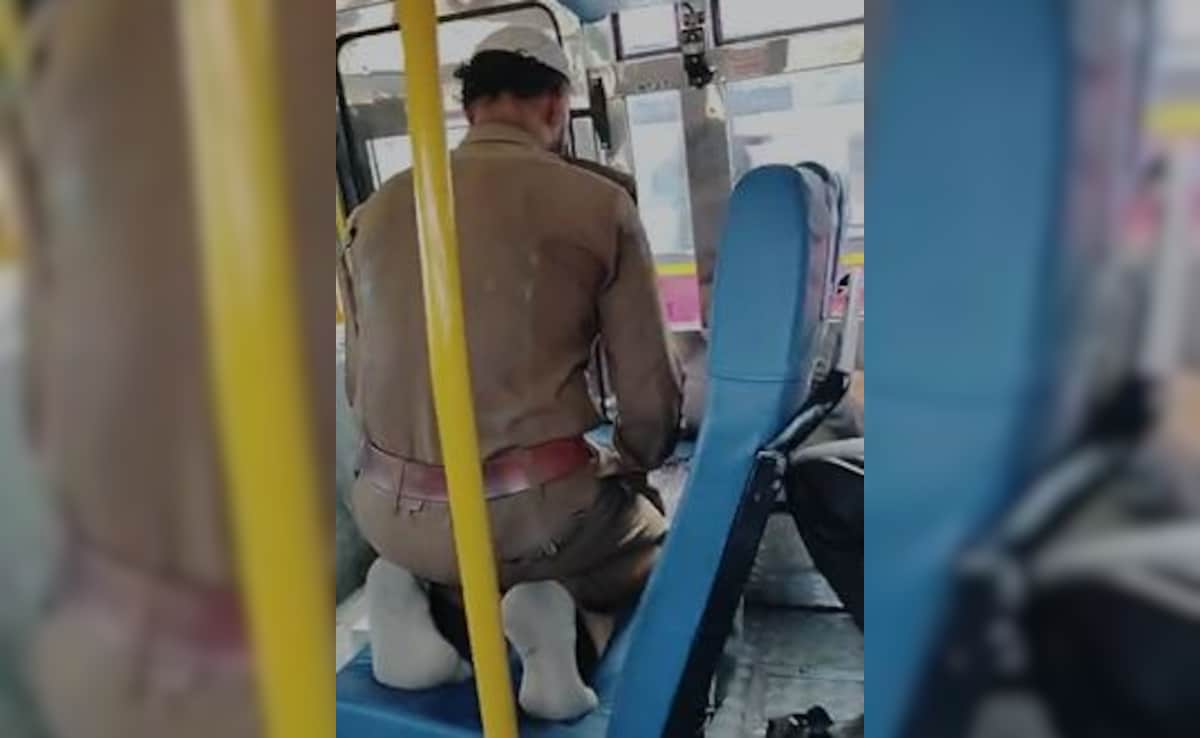
In a digital age where every moment can be captured and shared, a seemingly simple act of prayer has ignited controversy in Karnataka. A video depicting a state-run bus driver pausing his route to offer namaz on the roadside has gone viral, prompting an official inquiry into the incident. The clip shows the driver, in uniform, stepping out of the bus and performing the Islamic prayer alongside the road, while passengers wait inside. This seemingly private act performed in a public space has raised questions about religious practices and the duties of public transport employees.
The incident highlights the complex interplay of faith and public service in India's diverse society. While the right to practice one's religion is constitutionally protected, concerns have been raised regarding potential service disruptions and the perception of preferential treatment. The bus, operated by the Karnataka State Road Transport Corporation (KSRTC), is a vital part of the public transport infrastructure, relied upon by countless commuters daily. Stopping the bus, even briefly, to perform namaz has sparked debate over whether the driver's actions constituted a breach of duty and potentially inconvenienced passengers. The video, widely circulated on social media platforms, has elicited a range of reactions, from those supporting the driver's right to religious expression to those criticizing his actions as unprofessional and disruptive. The ensuing public discourse underscores the ongoing negotiation of religious freedom and public responsibility in contemporary India.
The KSRTC has taken swift action in response to the viral video, launching an official investigation into the matter. The inquiry will likely delve into the specific circumstances of the incident, examining whether the driver's actions violated any KSRTC regulations or codes of conduct. The probe will also likely assess the impact on passengers, determining if any delays or disruptions were caused by the roadside prayer. The outcome of the investigation is expected to clarify KSRTC's stance on the matter and potentially influence future policies regarding religious practices during working hours for public transport employees. This incident serves as a reminder of the delicate balancing act required to accommodate religious diversity while upholding the principles of secularism and ensuring the smooth operation of public services. The investigations findings will likely set a precedent for similar situations in the future, highlighting the evolving intersection of faith and professional duty within the public sphere.
Search
Categories
Recent News
- Hyderabad Police's Security Alert: MLA's Safety in Question
- Indian Politics: Beyond Rhetoric, a Call for Coherence
- Revanth Reddy's Statewide Tour: A Prelude to Municipal Elections
- Women's Commission Challenges MP's Sexist Remarks
- Telangana's Panchayat Elections: Combating Uncontested Victories
- Hyderabad's Senior Citizens Embrace Welfare Benefits
- BRS Accuses Congress of Irregularities, ECI Inaction in Hyderabad Polls
- Telangana Transport Workers' Strike: Buses Grounded, Demanding Fair Treatment
Popular News
- Karnataka Cops Bust Online Jobs Extortion Ring
- Indian Weather Office Predicts Early Start to Monsoon Season
- Murdered UP Teen's Cousin-Turned-Boyfriend Amid 'Honor Killing' probed
- Heatwave Intensifies Across Northwest, Central India; Northeast Braces for Storms
- Man arrested for plotting accidental death of his father