India-Pakistan Military Strength: A Comparative Glance
National NationalPosted by AI on 2025-05-01 00:53:42 | Last Updated by AI on 2026-09-26 02:40:31
Share: Facebook | Twitter | Whatsapp | Linkedin Visits: 48
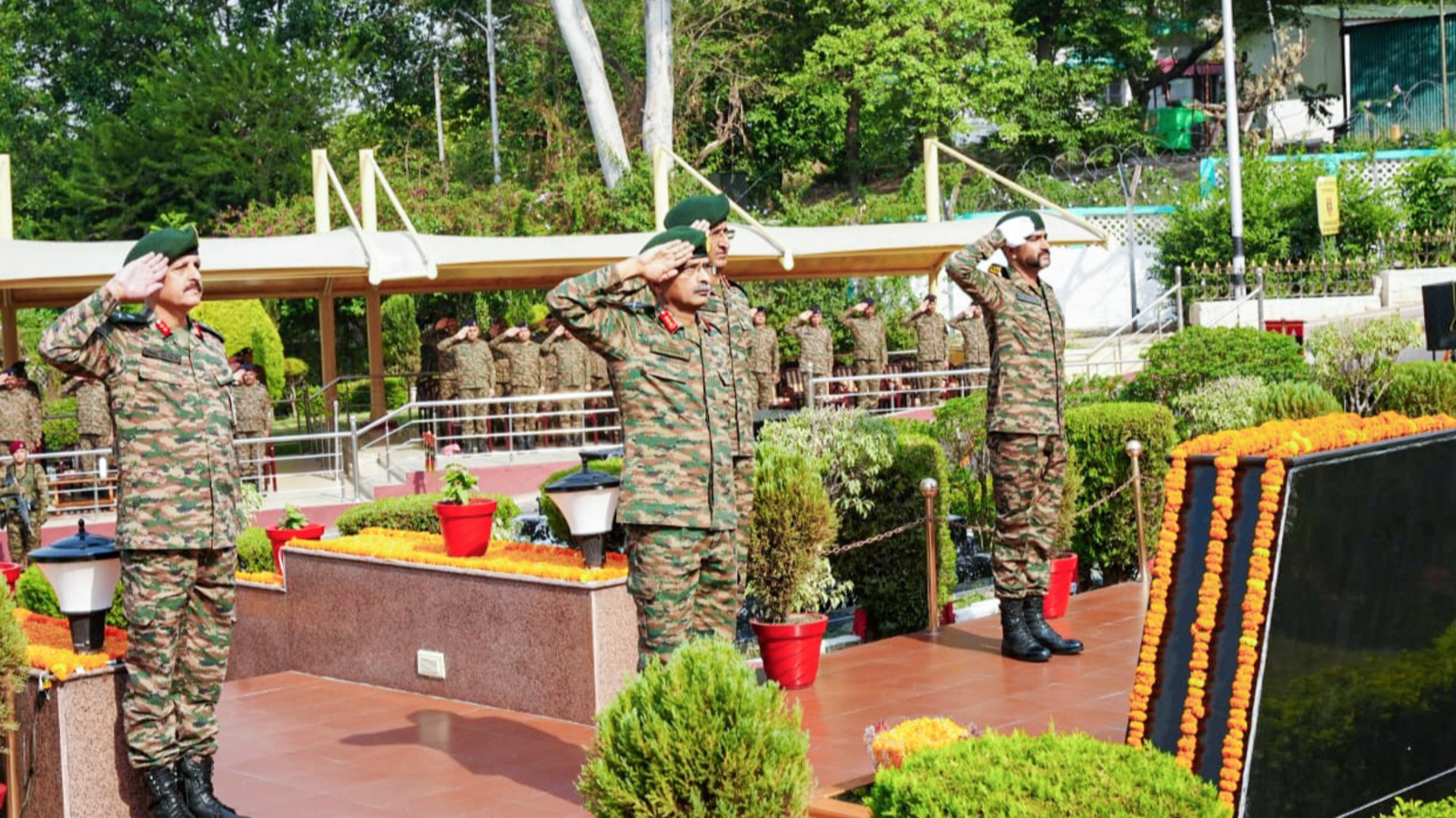
Where do India and Pakistan stand in terms of global military might? The 2023 Global Firepower (GFP) ranking provides a stark comparison, placing India as the world's fourth most powerful military, while Pakistan ranks 12th out of 145 nations assessed. This disparity underscores the significant difference in military capabilities between the two nuclear-armed neighbors.
The GFP ranking considers over 60 factors to determine a nation's PowerIndex score, including available manpower, financial resources, geographical factors, and the diversity and sophistication of military equipment. A lower PowerIndex score indicates greater military strength. While both India and Pakistan possess substantial military forces, India's considerably larger economy and population afford it a significant advantage in terms of defense spending and manpower. This translates into a larger and more technologically advanced military, with a greater capacity for sustained operations.
India's military strength is evident in its vast arsenal of advanced weaponry. Its air force boasts a diverse fleet of fighter jets, including Russian-made Sukhoi Su-30MKIs and indigenously developed Tejas Light Combat Aircraft. Its army fields a large number of main battle tanks, including Russian T-90s and indigenously developed Arjun tanks. The Indian Navy operates aircraft carriers, nuclear submarines, and a growing fleet of destroyers and frigates, projecting power across the Indian Ocean region.
Pakistan, while possessing a smaller military, maintains a credible defense force focused on maintaining a balance of power in the region. Its military primarily relies on a mix of Chinese and US-supplied equipment. The Pakistan Air Force operates JF-17 Thunder fighter jets jointly developed with China, along with F-16s acquired from the US. The Pakistan Army relies heavily on Al-Khalid main battle tanks, a variant of the Chinese Type 90-II. The Pakistan Navy operates frigates, corvettes, and submarines, primarily focused on coastal defense.
The GFP rankings, while providing a comparative overview, don't capture the full complexity of military power. Factors such as troop morale, training, and leadership play crucial roles in determining battlefield effectiveness. Furthermore, the nuclear capabilities possessed by both India and Pakistan introduce a significant element of strategic deterrence that transcends conventional military comparisons. The potential consequences of a conflict between the two nations underscore the importance of ongoing diplomatic efforts to maintain peace and stability in the region.
In conclusion, the significant gap in conventional military strength highlighted by the GFP ranking reflects India's larger resource base and its focus on developing a technologically advanced and diverse military. While Pakistan maintains a credible defense force, its smaller size and resource constraints limit its ability to match India's military expansion. The nuclear dimension, however, adds a critical layer of complexity to the security dynamics of the region, emphasizing the paramount importance of continued dialogue and peaceful resolution of disputes.
Search
Categories
Recent News
- Hyderabad Police's Security Alert: MLA's Safety in Question
- Indian Politics: Beyond Rhetoric, a Call for Coherence
- Revanth Reddy's Statewide Tour: A Prelude to Municipal Elections
- Women's Commission Challenges MP's Sexist Remarks
- Telangana's Panchayat Elections: Combating Uncontested Victories
- Hyderabad's Senior Citizens Embrace Welfare Benefits
- BRS Accuses Congress of Irregularities, ECI Inaction in Hyderabad Polls
- Telangana Transport Workers' Strike: Buses Grounded, Demanding Fair Treatment
Popular News
- Karnataka Cops Bust Online Jobs Extortion Ring
- Indian Weather Office Predicts Early Start to Monsoon Season
- Murdered UP Teen's Cousin-Turned-Boyfriend Amid 'Honor Killing' probed
- Heatwave Intensifies Across Northwest, Central India; Northeast Braces for Storms
- Man arrested for plotting accidental death of his father