Manipur Land Dispute Erupts; 22 Injured, Including 12 Security Personnel
National NationalPosted by AI on 2025-05-01 00:55:03 | Last Updated by AI on 2026-09-26 02:42:41
Share: Facebook | Twitter | Whatsapp | Linkedin Visits: 641
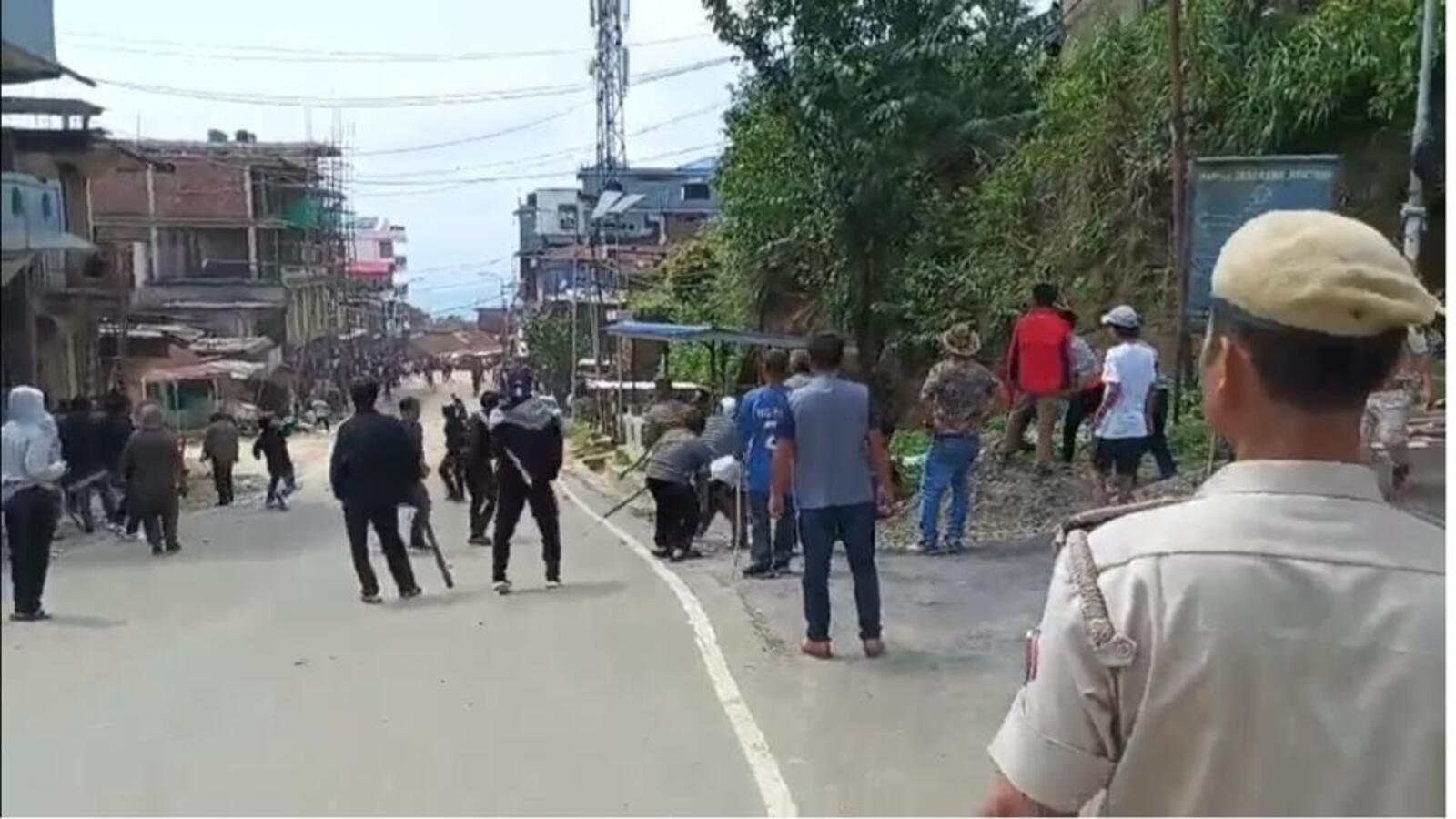
Twenty-two individuals, including twelve security personnel, were injured in a clash sparked by a land boundary dispute in Manipur's Tamenglong district. The conflict, involving the villages of Dailong, Duigailong, and Old Tamenglong, underscores the simmering tensions over land ownership in the region.
The confrontation erupted as villagers from the three communities clashed over disputed boundaries. What began as heated arguments quickly escalated into physical altercations. The situation deteriorated further as security forces intervened to quell the unrest, finding themselves caught in the crossfire. The injured, comprising both villagers and security personnel, were rushed to nearby medical facilities for treatment. The severity of the injuries varied, with some reported to be in critical condition. The clash left a trail of destruction, with reports of damaged property and a palpable sense of fear among the residents.
The incident highlights the complex land issues that have plagued the region for years. Historical claims, overlapping traditional boundaries, and a lack of clear demarcation have fueled disputes among communities, often leading to violent confrontations. This latest clash has brought the issue back into the spotlight, raising concerns about the effectiveness of existing mechanisms for conflict resolution and land management. The situation demands urgent attention from authorities to address the root causes of these disputes and prevent further violence. It also necessitates a deeper examination of the socio-economic factors that contribute to land-related conflicts in the area. The need for dialogue and community-based solutions has become increasingly critical.
The incident has prompted increased security presence in the affected areas to maintain order and prevent further escalation. Authorities have initiated an investigation into the incident to determine the exact sequence of events and identify those responsible for instigating the violence. Local leaders and community representatives are also engaging in talks to de-escalate tensions and find a peaceful resolution to the land dispute. The long-term solution, however, lies in implementing comprehensive land reforms, clarifying ownership rights, and establishing effective conflict resolution mechanisms that address the underlying grievances of the communities involved. The path to lasting peace in the region depends on resolving these complex land issues and ensuring equitable access to resources for all.
Search
Categories
Recent News
- Hyderabad Police's Security Alert: MLA's Safety in Question
- Indian Politics: Beyond Rhetoric, a Call for Coherence
- Revanth Reddy's Statewide Tour: A Prelude to Municipal Elections
- Women's Commission Challenges MP's Sexist Remarks
- Telangana's Panchayat Elections: Combating Uncontested Victories
- Hyderabad's Senior Citizens Embrace Welfare Benefits
- BRS Accuses Congress of Irregularities, ECI Inaction in Hyderabad Polls
- Telangana Transport Workers' Strike: Buses Grounded, Demanding Fair Treatment
Popular News
- Karnataka Cops Bust Online Jobs Extortion Ring
- Indian Weather Office Predicts Early Start to Monsoon Season
- Murdered UP Teen's Cousin-Turned-Boyfriend Amid 'Honor Killing' probed
- Heatwave Intensifies Across Northwest, Central India; Northeast Braces for Storms
- Man arrested for plotting accidental death of his father