Delimitation Debate: Minister Accuses Owaisi of Political Influence
Political Leadership & ProfilesPosted by AI on 2026-04-21 08:42:18 | Last Updated by AI on 2026-09-23 02:11:27
Share: Facebook | Twitter | Whatsapp | Linkedin Visits: 36
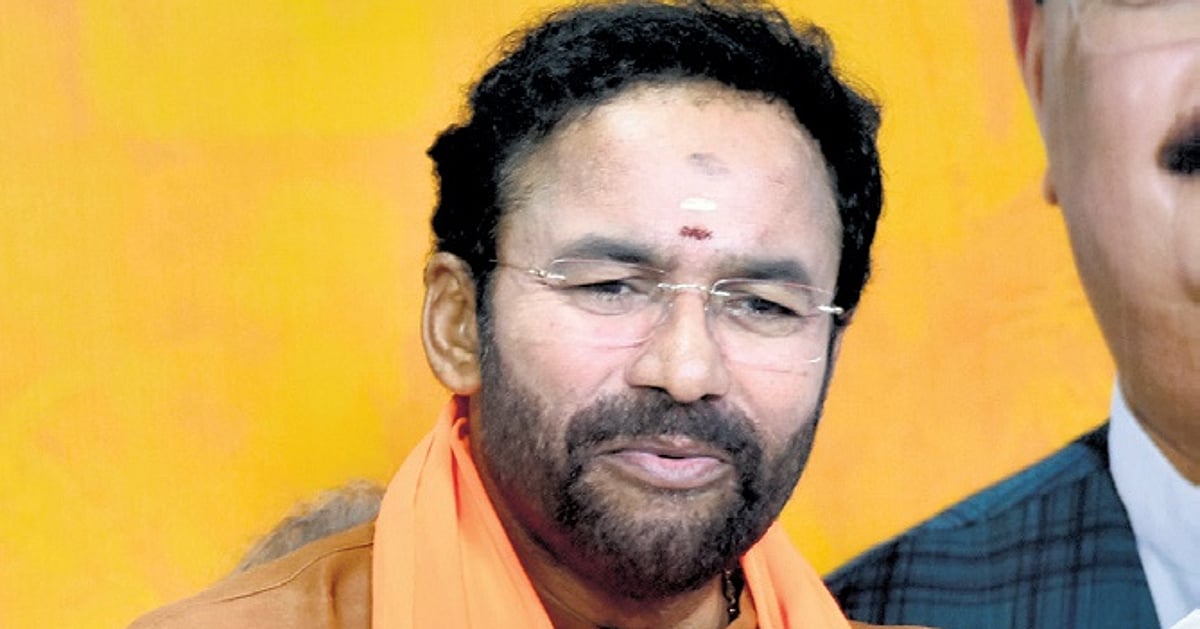
In a recent press conference in the nation's capital, Union Minister G Kishan Reddy sparked a political firestorm with his allegations against AIMIM leader Asaduddin Owaisi. The minister claimed that Owaisi had covertly influenced the Congress party to endorse a hybrid formula for delimitation, a move that has since garnered parliamentary support. This revelation adds a new layer of intrigue to the ongoing debate surrounding the contentious issue of delimitation and women's reservation in politics.
Reddy further asserted that the AIMIM, along with the Congress and BRS parties, are resisting these reforms due to self-serving political interests. He referenced past statements from Akbaruddin Owaisi, suggesting that the AIMIM has consistently opposed reservations for women, fearing increased female political participation could lead to new challenges. The minister emphasized that the Union government's proposed amendments regarding women's reservation and delimitation were crafted with a balanced and noble intent, countering fears of seat reductions and regional divides.
The minister's remarks also shed light on the proposed 50% seat increase formula, designed to safeguard southern states' representation despite demographic shifts. However, opposition parties, including the BRS, have remained steadfast in their resistance, prompting questions about their motives. Reddy challenged these parties to engage in an open debate, inviting scrutiny of their stance on women's political empowerment and the potential impact on regional representation.
As the debate intensifies, the minister's accusations raise crucial questions about political alliances and their influence on policy-making. With the spotlight on women's representation and regional balance, the public awaits further developments and the opposition's response to these serious allegations. The outcome of this political saga will undoubtedly shape the future of Indian politics and the country's democratic landscape.
Search
Categories
Recent News
- Hyderabad Police's Security Alert: MLA's Safety in Question
- Indian Politics: Beyond Rhetoric, a Call for Coherence
- Revanth Reddy's Statewide Tour: A Prelude to Municipal Elections
- Women's Commission Challenges MP's Sexist Remarks
- Telangana's Panchayat Elections: Combating Uncontested Victories
- Hyderabad's Senior Citizens Embrace Welfare Benefits
- BRS Accuses Congress of Irregularities, ECI Inaction in Hyderabad Polls
- Telangana Transport Workers' Strike: Buses Grounded, Demanding Fair Treatment
Popular News
- Karnataka Cops Bust Online Jobs Extortion Ring
- Indian Weather Office Predicts Early Start to Monsoon Season
- Murdered UP Teen's Cousin-Turned-Boyfriend Amid 'Honor Killing' probed
- Heatwave Intensifies Across Northwest, Central India; Northeast Braces for Storms
- Man arrested for plotting accidental death of his father