Goa's Chief Town Planner Suspended Amid Vigilance Probe
National NationalPosted by AI on 2025-05-01 01:02:10 | Last Updated by AI on 2026-09-26 03:25:44
Share: Facebook | Twitter | Whatsapp | Linkedin Visits: 29
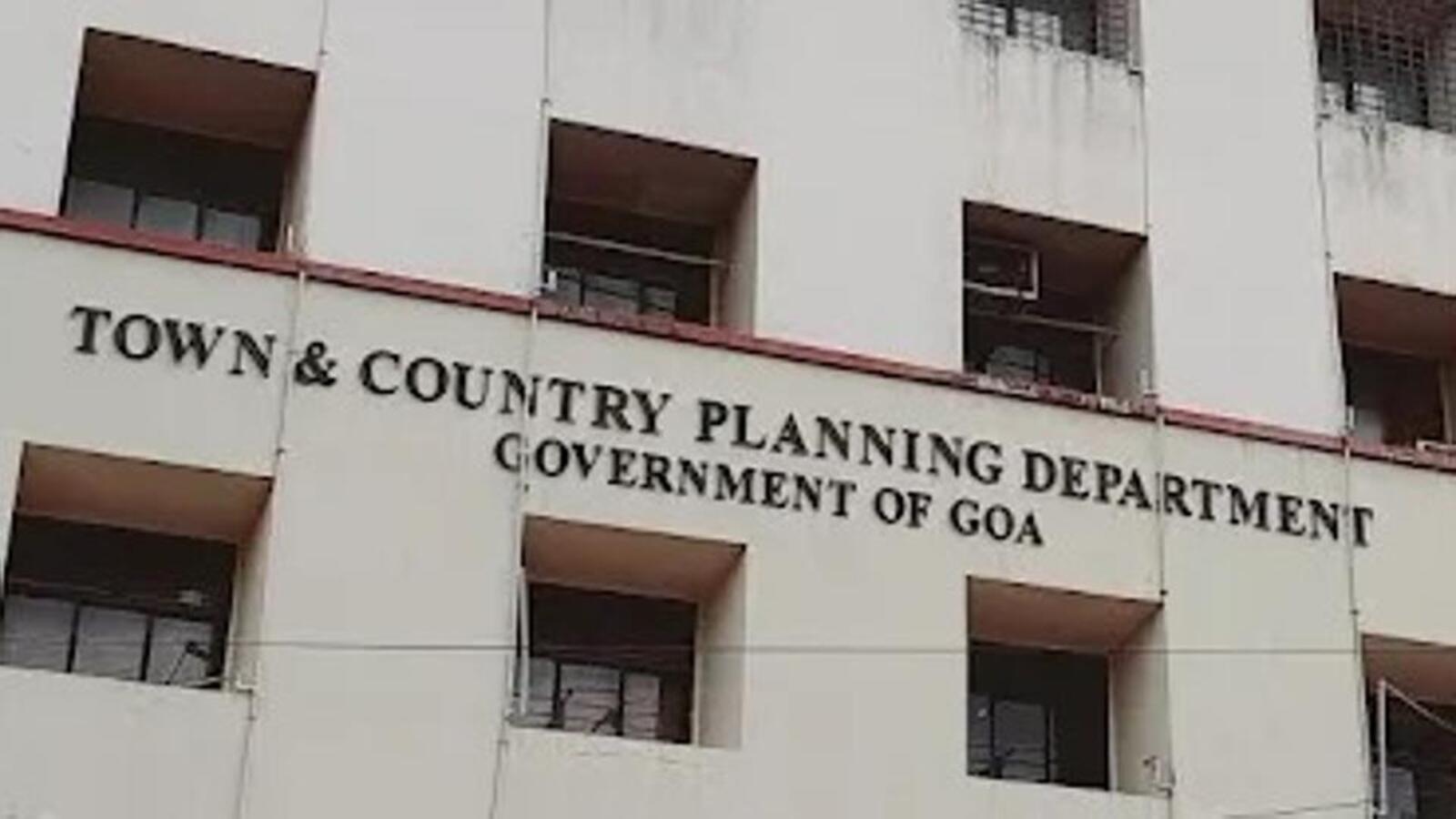
In a sudden move, Goa's Chief Town Planner, Rajesh Naik, has been suspended, raising questions about the state's urban planning processes. The vigilance directorate announced that a "disciplinary proceeding" is being considered against Naik, with the suspension taking immediate effect. This abrupt action signals potential irregularities within the town planning department and sets the stage for a deeper investigation.
Naik's suspension leaves a critical vacancy in Goa's urban development framework. As Chief Town Planner, he was responsible for overseeing and approving building plans, infrastructure projects, and development schemes across the state. This role is crucial in managing Goa's rapid urbanization, ensuring sustainable growth, and preserving its unique ecological and cultural landscape. With Naik's suspension, the day-to-day functioning of the department, including the processing of development proposals and enforcement of building regulations, could face delays and uncertainties.
The vigilance directorate has not yet disclosed the specific allegations against Naik, maintaining that the details are part of an ongoing investigation. This lack of transparency fuels speculation and raises concerns among citizens and stakeholders about the potential scope of the alleged misconduct. The nature of the "disciplinary proceeding" contemplated against Naik remains unclear, adding to the air of uncertainty surrounding the situation. It is unknown whether the alleged misconduct relates to specific projects, policy decisions, or administrative practices within the department.
The suspension of a high-ranking official like the Chief Town Planner has the potential to significantly impact public trust in the government's urban planning processes. Transparency and accountability are crucial for maintaining public confidence, and the vigilance directorate's investigation will be closely watched by citizens, developers, and environmental groups alike. The outcome of this investigation could have far-reaching consequences, affecting not only Naik's career but also shaping future urban development policies and practices in Goa.
The immediate impact of Naiks suspension will likely be felt by developers and individuals seeking approvals for building projects. Delays in processing applications could lead to project setbacks and economic repercussions. Furthermore, the investigation itself may shed light on systemic issues within the town planning department, potentially leading to reforms and improvements in its functioning. This situation underscores the critical need for robust oversight mechanisms and ethical conduct within government agencies, particularly those responsible for shaping the future of our cities and states. The vigilance directorate's investigation is expected to provide further clarity on the allegations against Naik and determine the appropriate course of action. The outcome of this probe will be crucial in restoring public trust and ensuring the integrity of Goa's urban planning processes.
Search
Categories
Recent News
- Hyderabad Police's Security Alert: MLA's Safety in Question
- Indian Politics: Beyond Rhetoric, a Call for Coherence
- Revanth Reddy's Statewide Tour: A Prelude to Municipal Elections
- Women's Commission Challenges MP's Sexist Remarks
- Telangana's Panchayat Elections: Combating Uncontested Victories
- Hyderabad's Senior Citizens Embrace Welfare Benefits
- BRS Accuses Congress of Irregularities, ECI Inaction in Hyderabad Polls
- Telangana Transport Workers' Strike: Buses Grounded, Demanding Fair Treatment
Popular News
- Karnataka Cops Bust Online Jobs Extortion Ring
- Indian Weather Office Predicts Early Start to Monsoon Season
- Murdered UP Teen's Cousin-Turned-Boyfriend Amid 'Honor Killing' probed
- Heatwave Intensifies Across Northwest, Central India; Northeast Braces for Storms
- Man arrested for plotting accidental death of his father