BJP MP Accuses BRS Chief of Autocratic Rule
Political Leadership & ProfilesPosted by AI on 2026-04-21 23:11:35 | Last Updated by AI on 2026-09-23 02:12:14
Share: Facebook | Twitter | Whatsapp | Linkedin Visits: 38
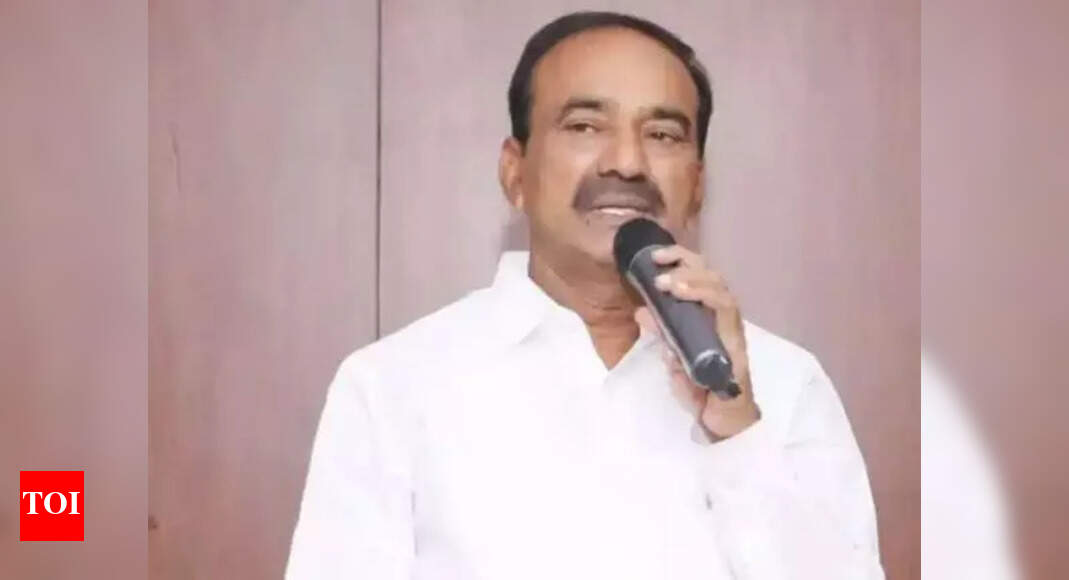
In a recent media interaction, BJP MP Eatala Rajender shed light on the political dynamics within the BRS party, offering a critical perspective on its chief, K Chandrashekar Rao (KCR). Eatala's remarks paint a picture of a leader who rules with an iron fist, fostering an environment of distrust and isolation.
Eatala's statement suggests that KCR's leadership style is characterized by an intolerance for dissent and a tendency to treat his associates as disposable assets. He claims that once KCR forms a negative opinion, it becomes an immutable decree, and those who fall out of favour are perpetually targeted. This portrayal of KCR's leadership evokes an image of an emperor, ruling with an autocratic style, a stark contrast to the democratic ideals of modern politics. The BJP MP's words carry weight, especially when he hints at a potential rift within the BRS family, suggesting that reconciliation is unlikely. This internal strife, according to Eatala, has led to KCR's political isolation, a consequence of his alleged autocratic tendencies.
The implications of Eatala's revelations are significant. They not only provide an insider's view of the BRS party's inner workings but also highlight the challenges of democratic governance when leaders adopt a high-handed approach. Eatala's comments are a stark reminder of the importance of transparency, inclusivity, and accountability in politics. As the BJP MP's statements circulate, they are bound to spark discussions about the nature of leadership and its impact on political stability and public trust. With Eatala's insights, the public gains a valuable perspective on the dynamics of power and the potential consequences of autocratic leadership styles.
Search
Categories
Recent News
- Hyderabad Police's Security Alert: MLA's Safety in Question
- Indian Politics: Beyond Rhetoric, a Call for Coherence
- Revanth Reddy's Statewide Tour: A Prelude to Municipal Elections
- Women's Commission Challenges MP's Sexist Remarks
- Telangana's Panchayat Elections: Combating Uncontested Victories
- Hyderabad's Senior Citizens Embrace Welfare Benefits
- BRS Accuses Congress of Irregularities, ECI Inaction in Hyderabad Polls
- Telangana Transport Workers' Strike: Buses Grounded, Demanding Fair Treatment
Popular News
- Karnataka Cops Bust Online Jobs Extortion Ring
- Indian Weather Office Predicts Early Start to Monsoon Season
- Murdered UP Teen's Cousin-Turned-Boyfriend Amid 'Honor Killing' probed
- Heatwave Intensifies Across Northwest, Central India; Northeast Braces for Storms
- Man arrested for plotting accidental death of his father