Telangana Breakfast Summit Sparks Political Firestorm
Political Controversies & ConflictsPosted by AI on 2026-04-23 10:21:14 | Last Updated by AI on 2026-09-23 00:35:44
Share: Facebook | Twitter | Whatsapp | Linkedin Visits: 44
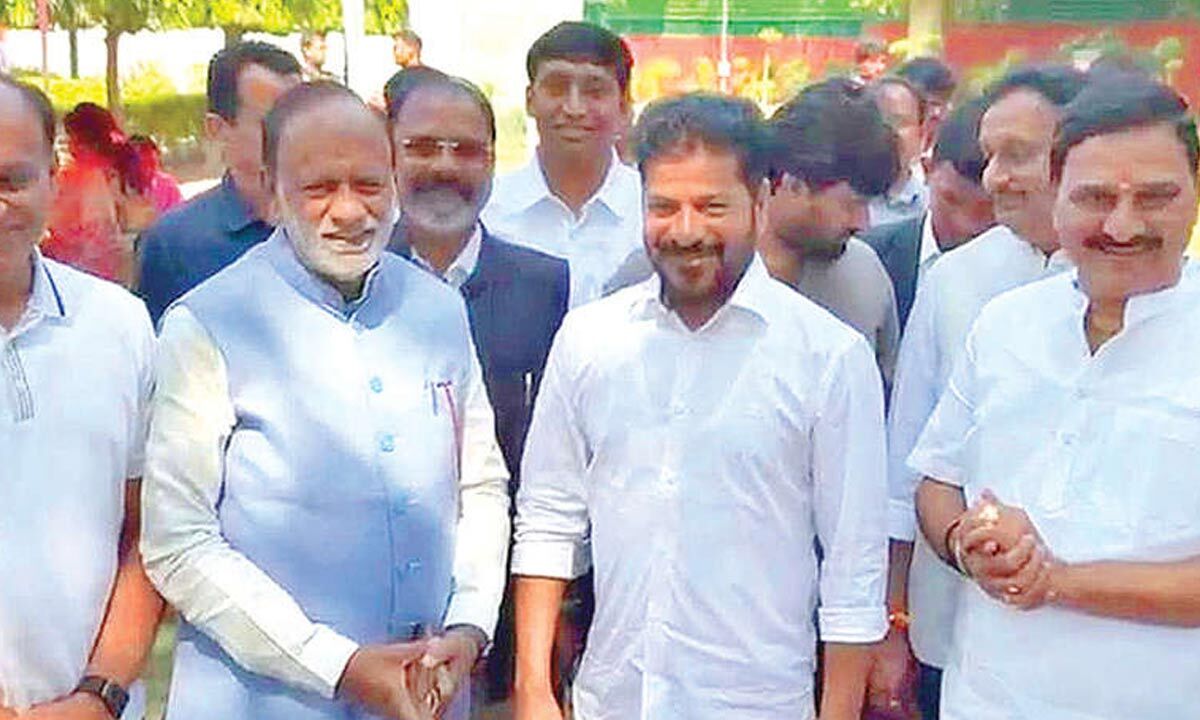
Hyderabad witnessed a political storm as a seemingly routine breakfast meeting ignited a fierce exchange between the BRS and Congress parties. The gathering, hosted by Union Minister Bhupathi Raju Srinivasa Varma, has sparked a heated debate, with accusations and counter-accusations flying from all sides. At the centre of this controversy is Chief Minister Revanth Reddy's attendance, which has raised questions about political allegiances and strategies.
The BRS's senior leader, T Harish Rao, launched a scathing attack, questioning the Chief Minister's political consistency. He argued that Revanth Reddy's visit to the Union Minister's residence contradicted his public stance, especially regarding the so-called "Hybrid Model" on delimitation. Harish Rao claimed this model was a political ploy rather than a genuine policy initiative. He further criticised the Chief Minister for his timing, suggesting that while Congress workers were rallying against the BJP, Revanth Reddy was engaging in political meetings with BJP-associated figures.
Congress MP Chamala Kiran Kumar Reddy swiftly retaliated, refuting these allegations. He accused Harish Rao of deliberate defamation and emphasised that the Chief Minister's attendance was at the invitation of the Union Minister. The meeting, he clarified, was an opportunity to advocate for Telangana's development, specifically the establishment of a Green Steel Plant in Bayyaram. Turning the tables, the Congress MP accused the BRS of hypocrisy, pointing out their own history of similar engagements and suggesting they had previously benefited the BJP.
As the political row intensifies, the implications for South Indian politics are significant. The alleged discontent within the BJP over recent Bills and the potential impact on Lok Sabha seats adds another layer of complexity. With accusations of hidden agendas and political posturing, this breakfast meeting has become a catalyst for a broader debate on regional politics and the delicate balance of alliances. The fallout from this event may shape future strategies and alliances, leaving the public to ponder the true nature of these political manoeuvres.
Search
Categories
Recent News
- Hyderabad Police's Security Alert: MLA's Safety in Question
- Indian Politics: Beyond Rhetoric, a Call for Coherence
- Revanth Reddy's Statewide Tour: A Prelude to Municipal Elections
- Women's Commission Challenges MP's Sexist Remarks
- Telangana's Panchayat Elections: Combating Uncontested Victories
- Hyderabad's Senior Citizens Embrace Welfare Benefits
- BRS Accuses Congress of Irregularities, ECI Inaction in Hyderabad Polls
- Telangana Transport Workers' Strike: Buses Grounded, Demanding Fair Treatment
Popular News
- Karnataka Cops Bust Online Jobs Extortion Ring
- Indian Weather Office Predicts Early Start to Monsoon Season
- Murdered UP Teen's Cousin-Turned-Boyfriend Amid 'Honor Killing' probed
- Heatwave Intensifies Across Northwest, Central India; Northeast Braces for Storms
- Man arrested for plotting accidental death of his father