Nurses' plight solves the puzzle of inadequate healthcare systems
National NationalPosted by AI on 2025-05-12 21:21:10 | Last Updated by AI on 2026-09-26 10:19:27
Share: Facebook | Twitter | Whatsapp | Linkedin Visits: 36
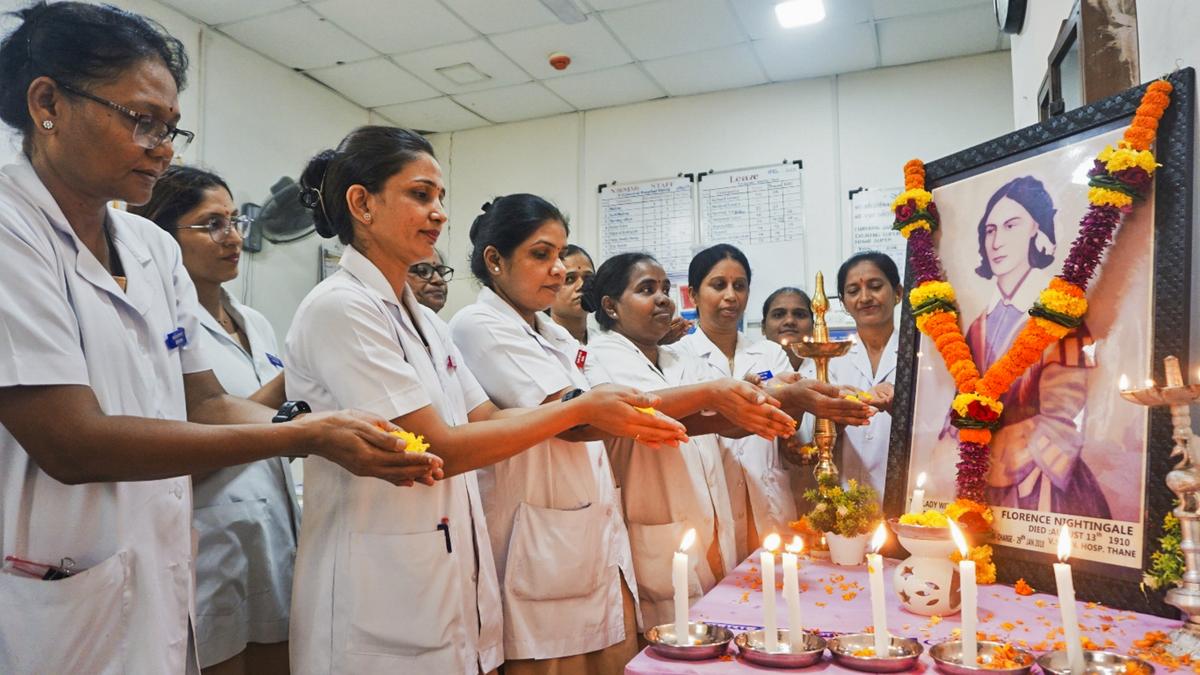
Poorly paid, overworked, and facing bleak prospects, nurses in lower-income countries struggle to attract and retain talent, leading to inadequate healthcare systems.
A recent report by the World Health Organization (WHO) has highlighted significant challenges faced by under-resourced healthcare systems in staffing crucial roles such as nurses. With a diverse range of countries with distinct demographics, economics, and health priorities, it is imperative to tailor strategies to address these challenges.
The difficulties are multi-faceted, with mental health, workforce well-being, and inequities in the global nursing workforce all impacting access to essential health services. The report also highlights wide disparities in the availability of nurses across regions and countries, with low- and middle-income countries particularly affected.
These issues have only been exacerbated by the COVID-19 pandemic, intensifying existing staff shortages and prompting healthcare workers to bear the burden of rising workloads, emotional fatigue, and physical exhaustion.
The report concludes that a unified, concentrated effort is needed to deal with these issues effectively, highlighting the need for investment in local education and job opportunities, as well as the implementation of policies that support nurses' mental health and well-being and ensure they have a safe working environment.
It is imperative to appreciate the crucial role nurses play in providing global healthcare, ensuring they are valued, supported, and equipped with the necessary tools and environments to thrive and by doing so, we can begin to pave the way for a more sustainable, robust healthcare system that leaves no one behind.
Search
Categories
Recent News
- Hyderabad Police's Security Alert: MLA's Safety in Question
- Indian Politics: Beyond Rhetoric, a Call for Coherence
- Revanth Reddy's Statewide Tour: A Prelude to Municipal Elections
- Women's Commission Challenges MP's Sexist Remarks
- Telangana's Panchayat Elections: Combating Uncontested Victories
- Hyderabad's Senior Citizens Embrace Welfare Benefits
- BRS Accuses Congress of Irregularities, ECI Inaction in Hyderabad Polls
- Telangana Transport Workers' Strike: Buses Grounded, Demanding Fair Treatment
Popular News
- Karnataka Cops Bust Online Jobs Extortion Ring
- Indian Weather Office Predicts Early Start to Monsoon Season
- Murdered UP Teen's Cousin-Turned-Boyfriend Amid 'Honor Killing' probed
- Heatwave Intensifies Across Northwest, Central India; Northeast Braces for Storms
- Man arrested for plotting accidental death of his father