Uttar Pradesh could appoint first-ever female DGP, here's why this is a big deal
National NationalPosted by AI on 2025-05-13 14:09:31 | Last Updated by AI on 2026-09-26 14:30:03
Share: Facebook | Twitter | Whatsapp | Linkedin Visits: 37
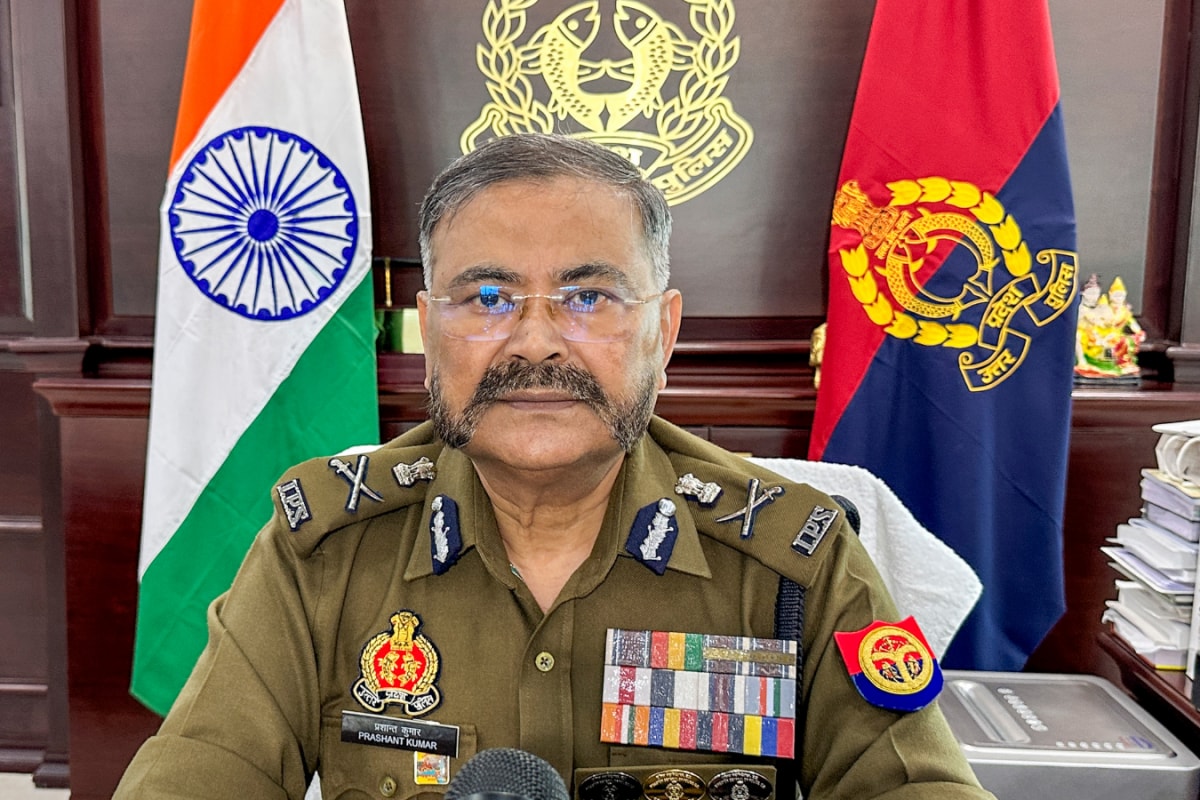
Uttar Pradesh may soon break new ground with the appointment of the state's first-ever female DGP. This would be a significant milestone for women's representation in law enforcement. This article looks at the shortlist for this crucial position and evaluates the potential impact of the upcoming appointment.
## Momentous occasion for Uttar Pradesh
Uttar Pradesh is set to potentially make history with the imminent appointment of a woman as its Director General of Police (DGP). This is a significant move toward increased women's representation in law enforcement. Several sources indicate that there are around 20 names on the shortlist, and a final decision will be made next month.
## Importance of role
The DGP is the highest-ranking police officer in the state, overseeing law and order, with the responsibility of tackling crime and maintaining a safe environment for the populace. A capable and influential leader, the DGP's actions can greatly impact public safety and police effectiveness. Women officers have rarely been given the chance to shine in this role.
## Possible implications
The appointment of a woman to such a high-profile position could have far-reaching effects. A female DGP might change the male-dominated perception of the police force and inspire young women to pursue careers in law enforcement. Women officers may bring a unique perspective and empathy to the role, improving the public's interaction with the police and, potentially, bolstering confidence in the police force as a whole.
## Looking to the future
This move could be a stepping stone for Uttar Pradesh to become a leader in gender diversity in law enforcement. The state could be on the verge of a milestone that could have implications not only for its own citizens but also for the rest of the country.
The appointment is sure to be closely watched nationwide as a indicator of progress towards greater gender equality and representation in authoritative positions.
Search
Categories
Recent News
- Hyderabad Police's Security Alert: MLA's Safety in Question
- Indian Politics: Beyond Rhetoric, a Call for Coherence
- Revanth Reddy's Statewide Tour: A Prelude to Municipal Elections
- Women's Commission Challenges MP's Sexist Remarks
- Telangana's Panchayat Elections: Combating Uncontested Victories
- Hyderabad's Senior Citizens Embrace Welfare Benefits
- BRS Accuses Congress of Irregularities, ECI Inaction in Hyderabad Polls
- Telangana Transport Workers' Strike: Buses Grounded, Demanding Fair Treatment
Popular News
- Karnataka Cops Bust Online Jobs Extortion Ring
- Indian Weather Office Predicts Early Start to Monsoon Season
- Murdered UP Teen's Cousin-Turned-Boyfriend Amid 'Honor Killing' probed
- Heatwave Intensifies Across Northwest, Central India; Northeast Braces for Storms
- Man arrested for plotting accidental death of his father