Maharashtra Water Crisis: Mumbai and Pune Hope for Monsoon Rain
National NationalPosted by AI on 2025-05-15 11:55:23 | Last Updated by AI on 2026-09-27 00:04:09
Share: Facebook | Twitter | Whatsapp | Linkedin Visits: 916
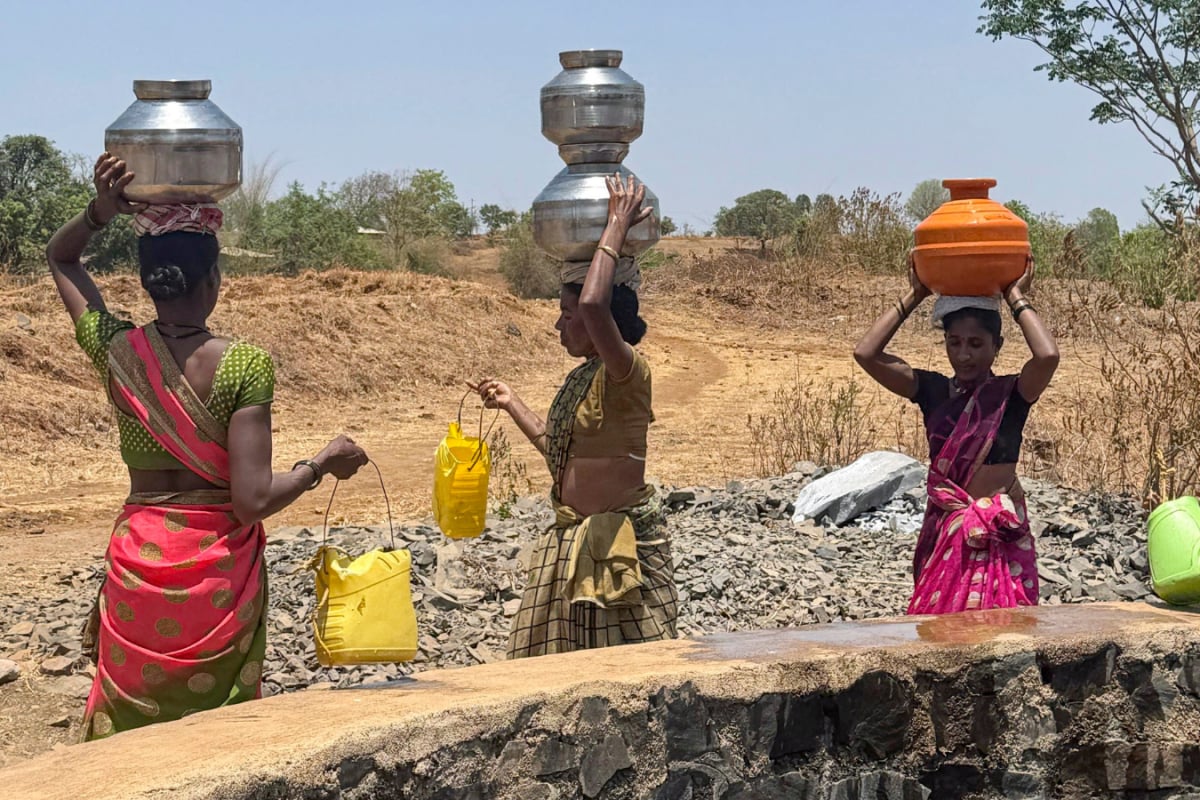
As many parts of India struggle with a water crisis, the industrial cities of Mumbai and Pune await overdue monsoon rains, with officials pinning hopes on the annual rainfall to replenish water reservoirs.
India is currently facing a dire water crisis with rising demands and insufficient supply. The situation is particularly worrying in the western state of Maharashtra, where the iconic city of Mumbai and the adjacent Pune are witnessing a significant dip in their water reserves. The lack of rains has led to diminished water levels in dams and reservoirs, posing a severe threat to the region's ecosystem, agriculture, and residents' daily needs.
Mumbai, known for its bustling streets and dense population, is heavily reliant on rainwater for its survival. The city, which registers a population of nearly 20 million, is surrounded by overflowing neighborhoods and bustling markets. Unfortunately, the lack of rainwater has resulted in an alarming decline in the city's reservoir levels, making it imperative to find alternative water sources.
Pune, the second-largest city in Maharashtra and a significant industrial center, is also grappling with a water crisis. With a booming population and increasing demands, the city is heavily dependent on its dams and reservoirs for water. However, the prolonged drought has caused these water sources to run dry, forcing residents to search for water elsewhere.
With no immediate solution to the crisis, the state of Maharashtra is now pinning its hopes on the timely arrival of the monsoon rains. Officials are expecting that the rains will come soon, restoring water levels and bringing much-needed relief to the people of Mumbai and Pune.
In the meantime, citizens are urged to conserve water, implement sustainable water practices, and voice their concerns to local authorities to trigger positive changes toward sustainable water management.
This water crisis exemplifies India's broader struggle with managing its water resources and highlights the intensifying impacts of climate change on water availability and agricultural productivity.
Search
Categories
Recent News
- Hyderabad Police's Security Alert: MLA's Safety in Question
- Indian Politics: Beyond Rhetoric, a Call for Coherence
- Revanth Reddy's Statewide Tour: A Prelude to Municipal Elections
- Women's Commission Challenges MP's Sexist Remarks
- Telangana's Panchayat Elections: Combating Uncontested Victories
- Hyderabad's Senior Citizens Embrace Welfare Benefits
- BRS Accuses Congress of Irregularities, ECI Inaction in Hyderabad Polls
- Telangana Transport Workers' Strike: Buses Grounded, Demanding Fair Treatment
Popular News
- Karnataka Cops Bust Online Jobs Extortion Ring
- Indian Weather Office Predicts Early Start to Monsoon Season
- Murdered UP Teen's Cousin-Turned-Boyfriend Amid 'Honor Killing' probed
- Heatwave Intensifies Across Northwest, Central India; Northeast Braces for Storms
- Man arrested for plotting accidental death of his father