Son's Demand for Mother's Jewelry Delays Cremation Process
National NationalPosted by AI on 2025-05-16 15:05:31 | Last Updated by AI on 2026-09-27 05:36:17
Share: Facebook | Twitter | Whatsapp | Linkedin Visits: 34
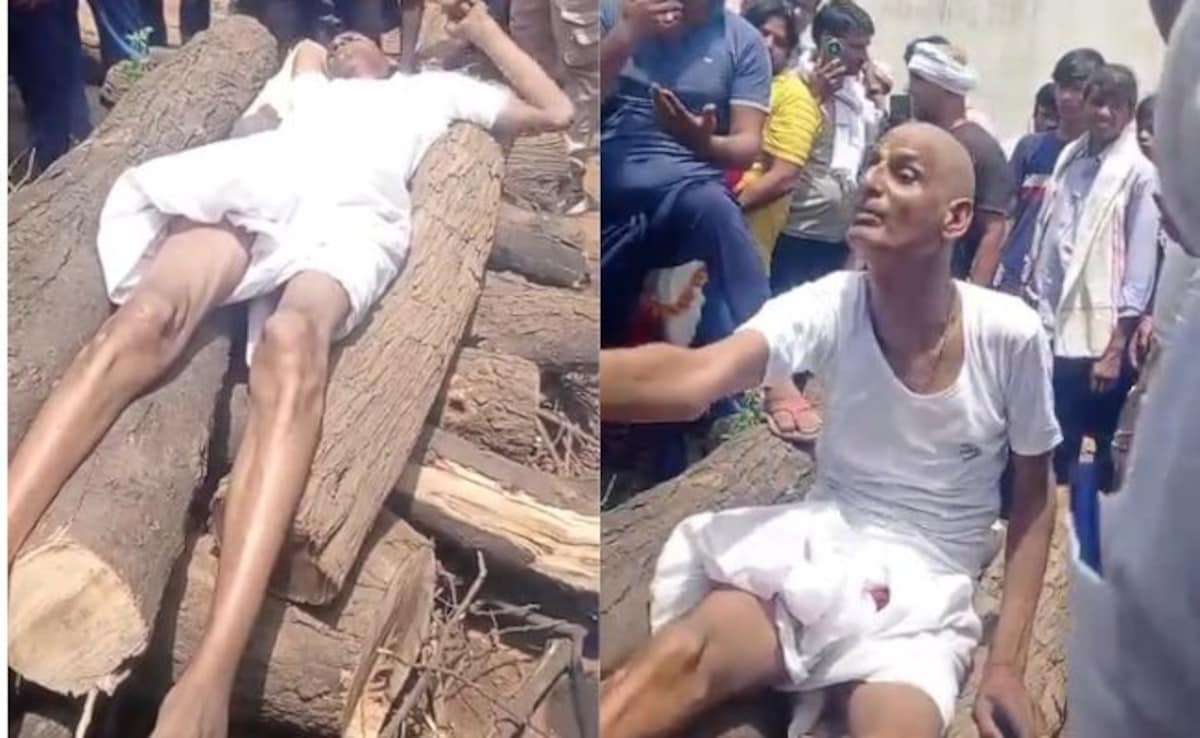
A son's request for his late mother's jewelry created quite the chaotic scene at a recent cremation in Ludhiana, Punjab.
As the son laid down on the pyre, arguing for his right to his mother's silver bangles, the cremation process was significantly delayed. The delay led to tensions rising among the mourners, particularly the deceased's brother, who attempted to intervene.
This bizarre scenario sets the stage for exploring the delicate yet necessary conversation of inheritance, family dynamics, and personal possessions.
The emotional attachment to one's culture and traditions often involves strong sentiments toward jewelry, particularly among older generations in rural areas. Sons are typically expected to inherit their father's role in the community and their belongings, including property or jewelry. However, this situation raises questions about how individuals perceive their rights to specific items and the boundaries between inheritance and personal possessions.
This incident also highlights the complexity of family dynamics in these situations. It's understandable that the son, in grief, may have felt emotionally attached to his mother's jewelry, seeking a tangible way to connect to her memory.
However, the brother's intervention and subsequent events suggest a preexisting tension or dispute within the family. If not addressed, this could further deteriorate the family's relationship, especially since funerals and cremations are already such grief-stricken events.
This event is a reminder of the importance of having conversations about possessions and end-of-life plans. It is a delicate but necessary discussion to have, providing a chance to respect each other's wishes and avoid misunderstandings or misinterpretations, especially amid emotional situations such as this.
By encouraging these conversations, we can help individuals make informed decisions and empower them to navigate end-of-life processes with clarity and respect.
This leads to a deeper realization that, in the end, it's not just about possessions; it's about honoring the bonds and memories we cherish, in life and death.
Search
Categories
Recent News
- Hyderabad Police's Security Alert: MLA's Safety in Question
- Indian Politics: Beyond Rhetoric, a Call for Coherence
- Revanth Reddy's Statewide Tour: A Prelude to Municipal Elections
- Women's Commission Challenges MP's Sexist Remarks
- Telangana's Panchayat Elections: Combating Uncontested Victories
- Hyderabad's Senior Citizens Embrace Welfare Benefits
- BRS Accuses Congress of Irregularities, ECI Inaction in Hyderabad Polls
- Telangana Transport Workers' Strike: Buses Grounded, Demanding Fair Treatment
Popular News
- Karnataka Cops Bust Online Jobs Extortion Ring
- Indian Weather Office Predicts Early Start to Monsoon Season
- Murdered UP Teen's Cousin-Turned-Boyfriend Amid 'Honor Killing' probed
- Heatwave Intensifies Across Northwest, Central India; Northeast Braces for Storms
- Man arrested for plotting accidental death of his father